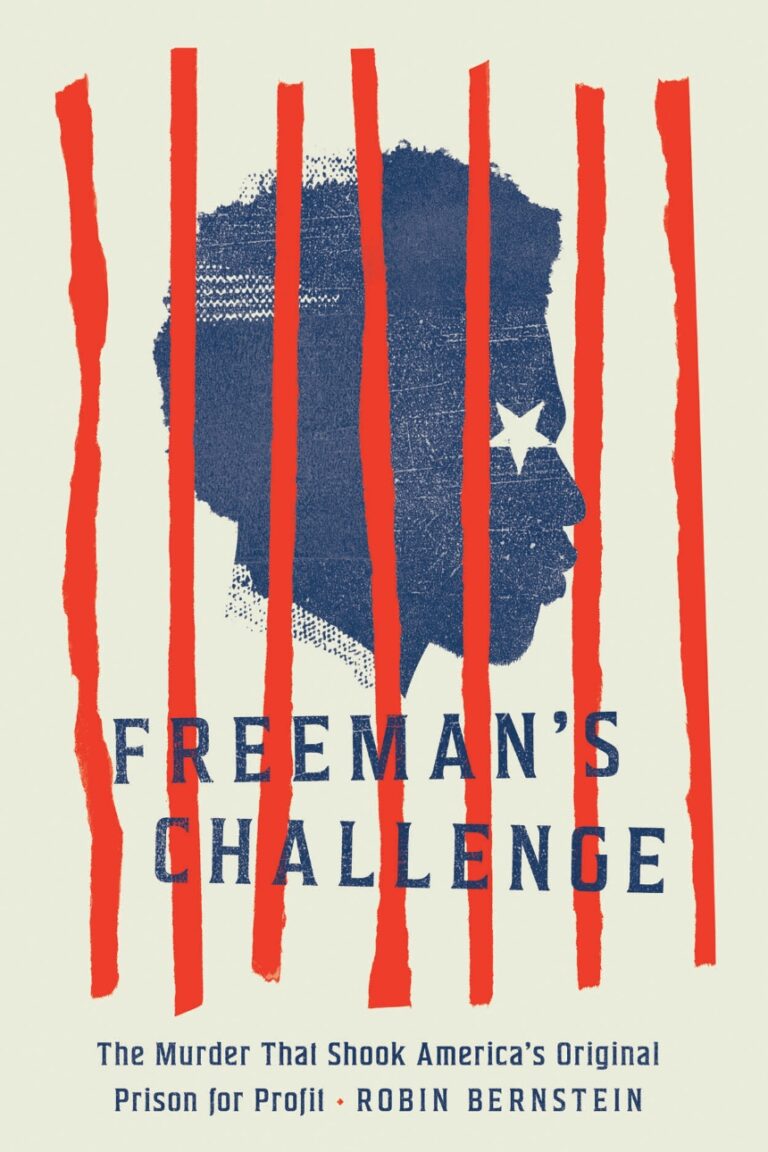
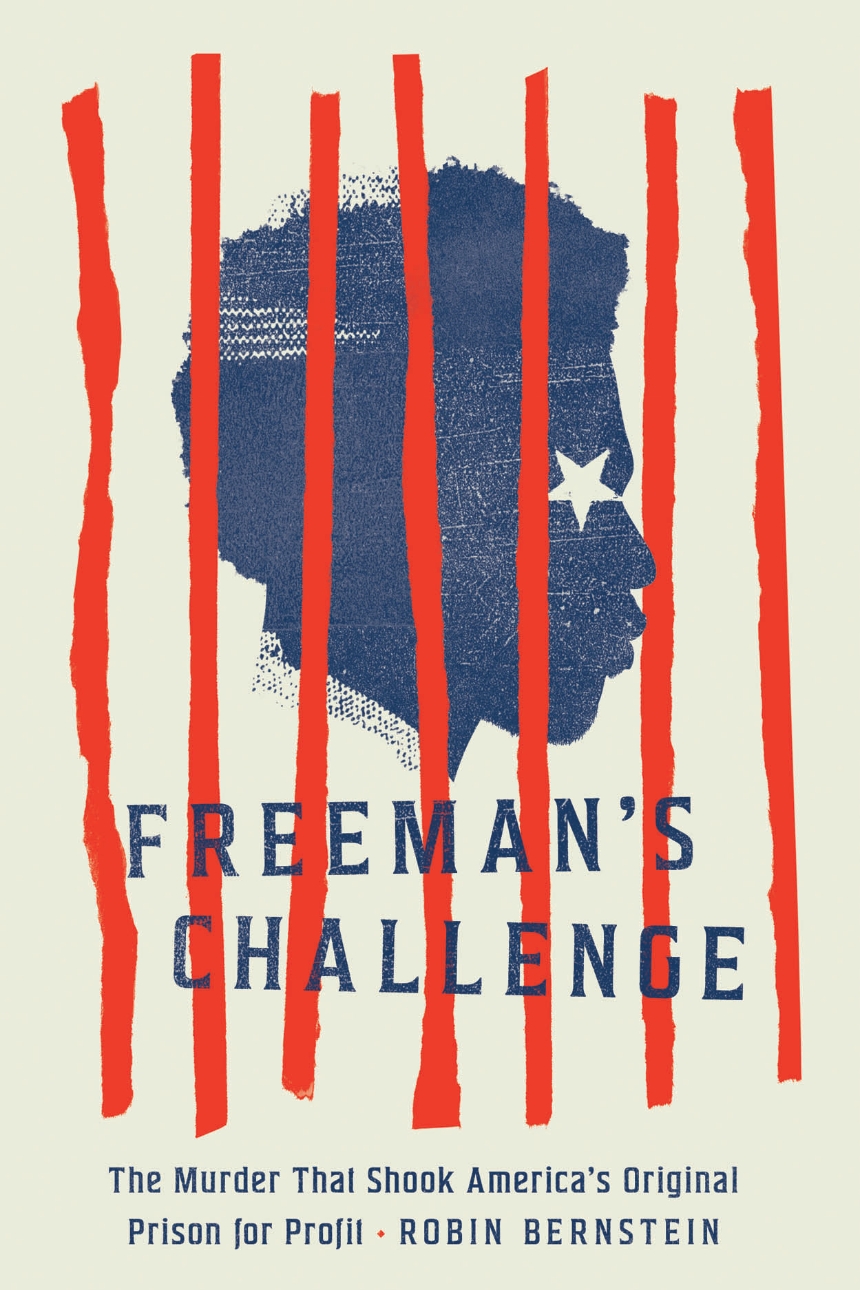
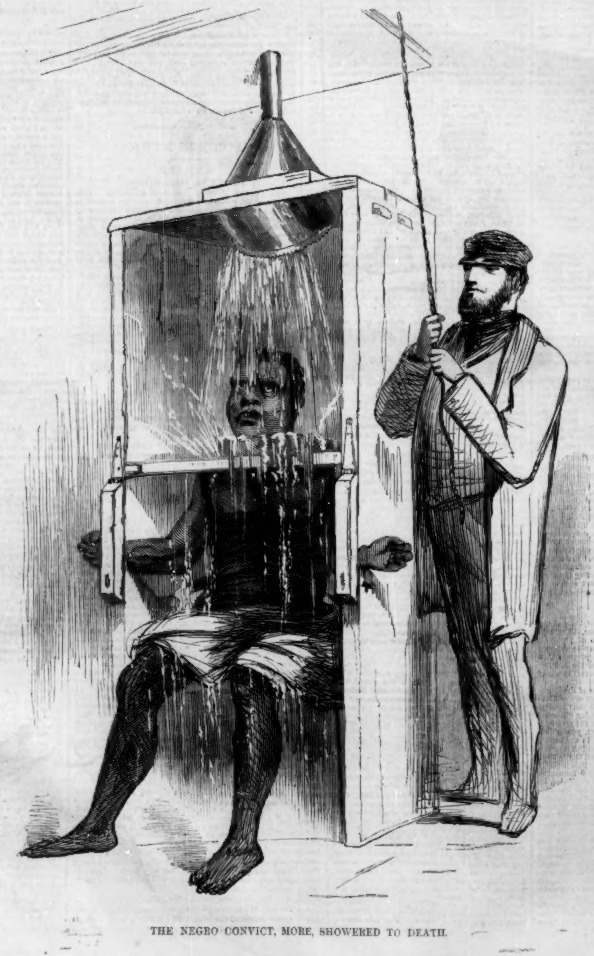
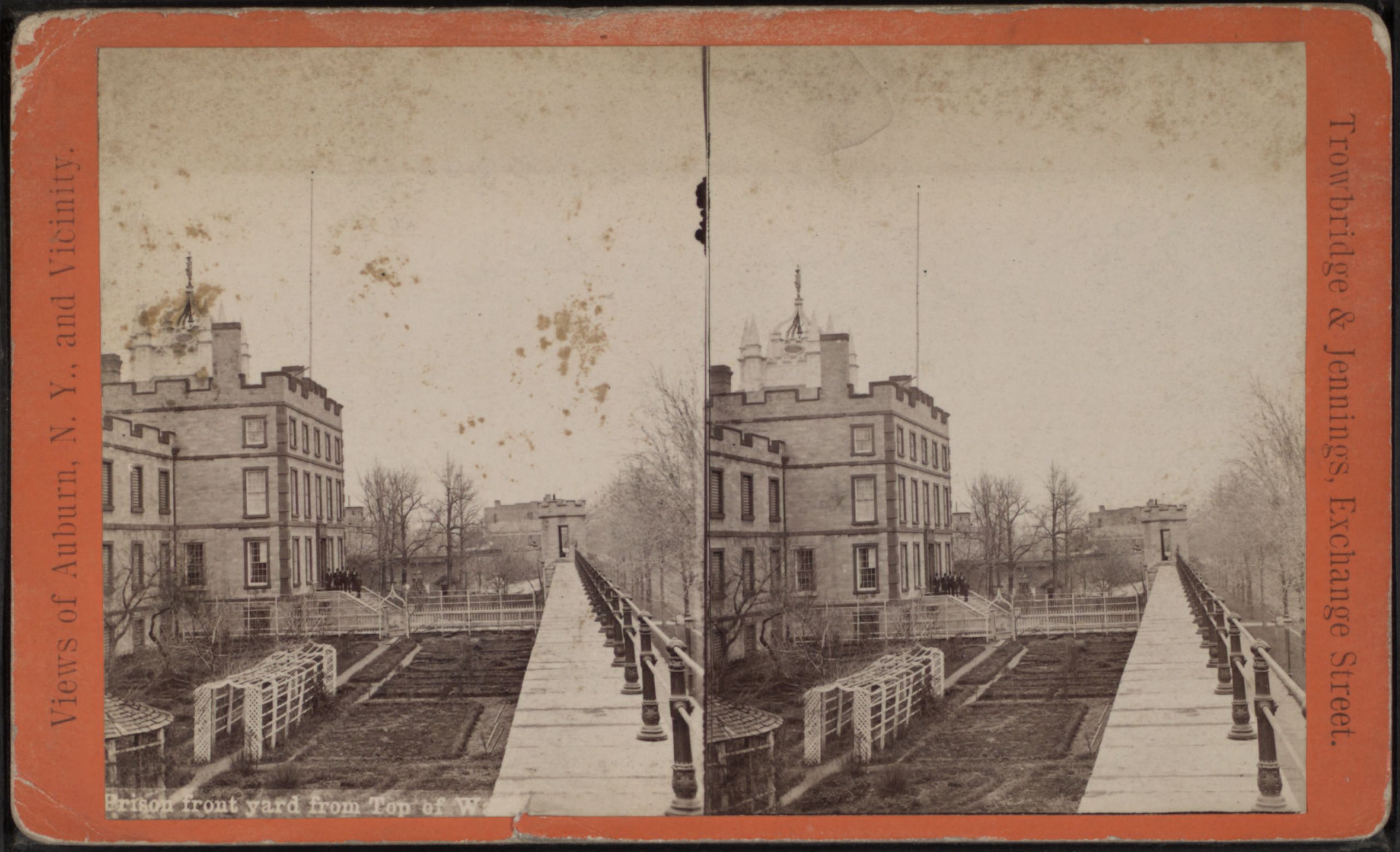
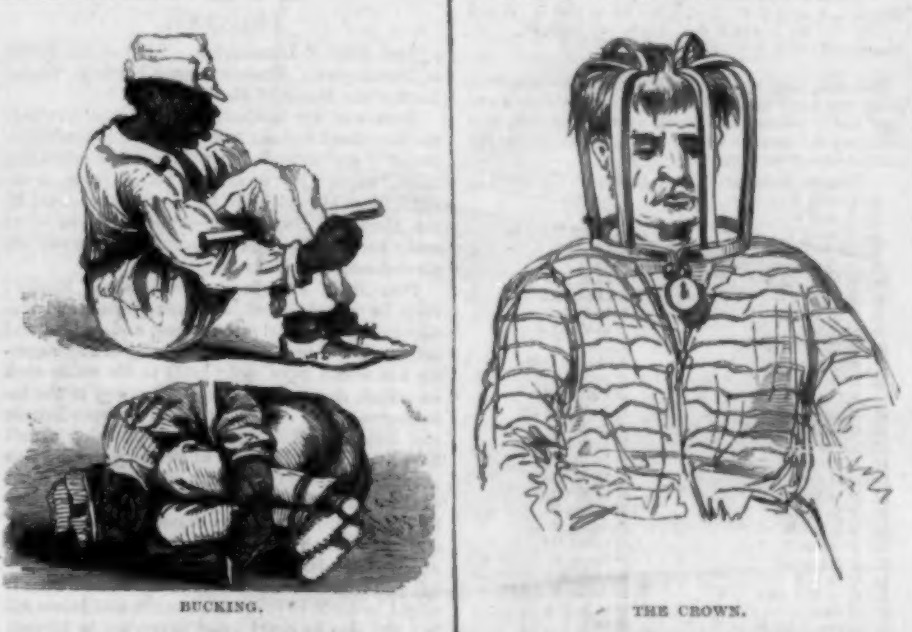
Finally, Bernstein addresses a longstanding historical question about Black people’s early opposition, or lack thereof, to the prison system. She contends that there was no evidence of an organized Black pushback against the prison system and its exploitation of Black people. She attributes this to the fact that their energies were ardently directed toward issues like voting rights and the abolition of slavery.
Freemen’s Challenge is an important text for scholars interested in nineteenth-century life and culture, Black history, and, especially, the history of prisons. Bernstein offers a model of historical scholarship that is at once rigorously archival and narratively compelling.
Further Reading:
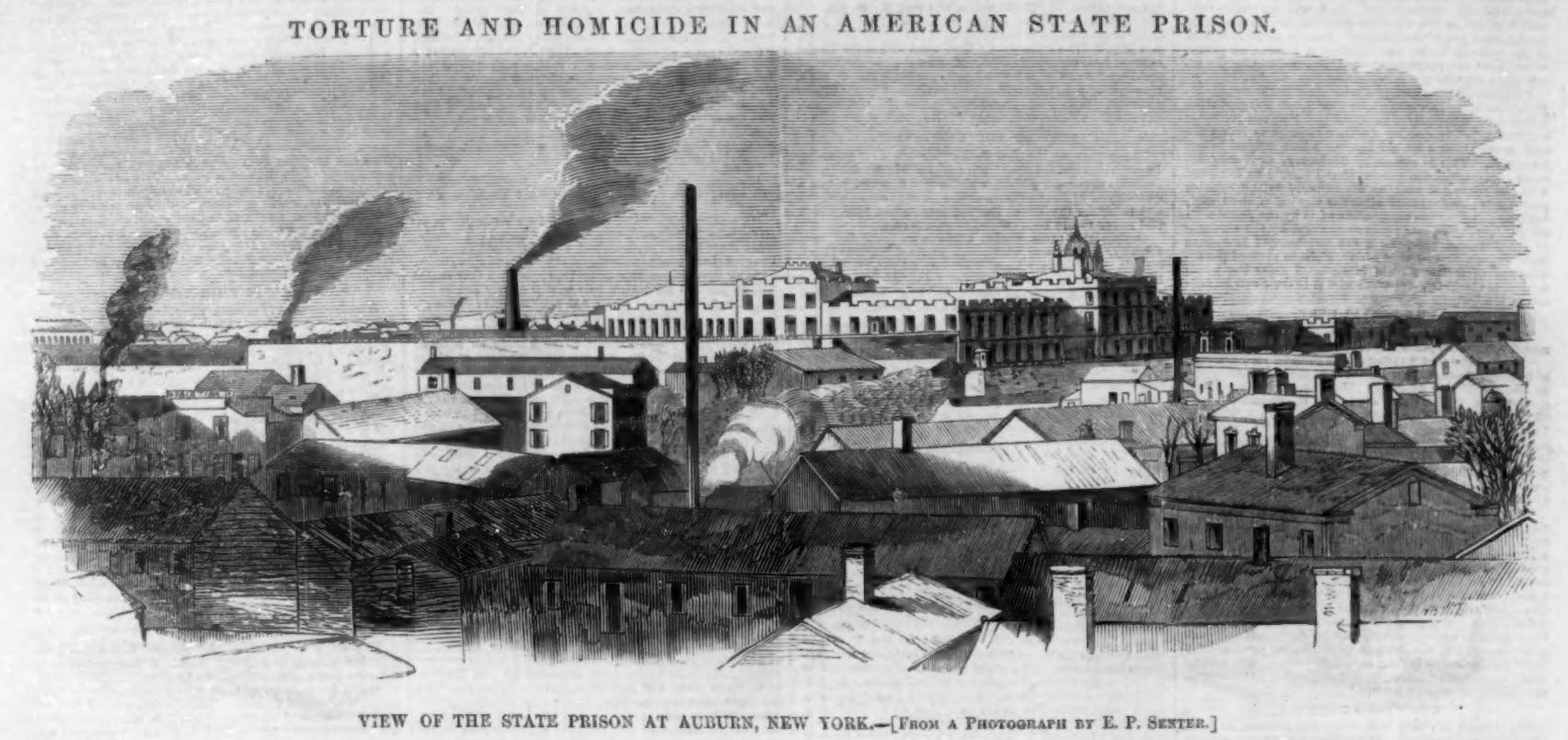
David J. Rothman, “Perfecting the Prison: United States, 1789-1865,” in The Oxford History of the Prison: The Practice of Punishment in Western Society, ed. Norval Morris and David J. Rothman (New York: Oxford University Press, 1997),117; and Jennifer Graber, The Furnace of Affliction: Prisons & Religion in Antebellum America (Chapel Hill: The University of North Carolina Press, 2014). Berstein joins other scholars who emphasize the differences between Auburn and other early prisons. These scholars include W. David Lewis, Rebecca McLennan, and Caleb Smith. See W. David Lewis, From Newgate to Dannemora: The Rise of the Penitentiary in New York, 1796-1848 (1965; reprint, Ithaca, NY: Cornell University Press, 2009); Rebecca M. McLennan, The Crisis of Imprisonment: Protest, Politics, and the Making of the American Penal State, 1776-1941 (Cambridge, UK: Cambridge University Press, 2008), 53-54; and Caleb Smith, “Editor’s Introduction,” in Austin Reed, The Life and Adventures of a Haunted Convict, ed. Caleb Smith (New York: Penguin Random House, 2016), x; v-xlvi.
The post-Civil War narrative of the modern system is most notably conveyed in the award-winning documentary film, The 13th, by Ava DuVernay. It also appears in the well-known book, The New Jim Crow: Mass Incarceration in the Age of Colorblindness by Michelle Alexander.
See also Are Prisons Obsolete? by Angela Y. Davis; Blood in the Water: The Attica Prison Uprising of 1971 and Its Legacy by Heather Ann Thompson; Slavery by Another Name: The Re-Enslavement of Black Americans from the Civil War to World War II by Douglas A. Blackmon; and Golden Gulag: Prisons, Surplus, Crisis, and Opposition in Globalizing California by Ruth Wilson Gilmore.
This article originally appeared in August 2026.
Diana Martha Louis is an Associate Professor of Women’s and Gender Studies at the University of Michigan, Ann Arbor. She is a scholar of 19th century Black literature, culture, and the history of medicine. Her recent book is Colored Insane: Slavery, Asylums, and Mental Illness in the Nineteenth Century, published by Columbia University Press in 2026.