Remaining Singular: Notes on Book Writing in the AI Bubble
The year was 2006 and a guy guffawed at me when I used google as a verb. The setting: giving a speech for a church function, which made the newfangled term feel all the more cutting edge, as I nonchalantly referenced the shiny Internet thing that would soon settle all scores and answer all questions. Oh, how the mighty have fallen!

I wish to write a few words about the inchoate and unformed in scholarship, to offer a small celebration of the inclination or the hunch. I feel a sense of urgency to compose how I remember both my writing process and my slow, accumulative idea formation. We are rapidly entering a scenario where sudden writerly prowess is promised amidst a growing proliferation of tech titans marketing products that will synthesize what they call data and present it as knowledge. Cogency is lost to immediacy, and the promise from these behemoths is one of AI cutting down time, making workers more productive until they are eventually replaced by technology. At least that is the theory propounded by what gets called singularity—or the point where technological innovation begins to advance exponentially and surpass the need for human intervention or innovation. Sounds terrifying.

I was prompted to write out this reflection on the process of writing in the era of AI—using my own book, Feeling Singular: Queer Masculinities in the Early United States (2024), as a guide—to rebuke the seemingly inevitable downturn for humanities research to lose the weird and singular things that actually make them valuable. Feeling Singular focuses on non-conforming, outsider figures in the story we often tell of the early United States. Where we are currently experiencing an intensification of fascist logics propounded on so many fronts, the figures I read in my book offer counters to the homogenizing impulses of AI and the fascist politics that would hide them from public view and erase their contributions to civic belonging. In the following paragraphs, I will provide some insight on the process of book writing and reflections on what gets lost if we lose the messy, communal, and uneven aspects of writing. As such, I’ll trace the story of my book from prospectus to post-publication in the hopes of sharing with readers how the sometimes insurmountable struggle to write is worth it and the easy route—to outsource organization, order, placement, and form—simply is not.
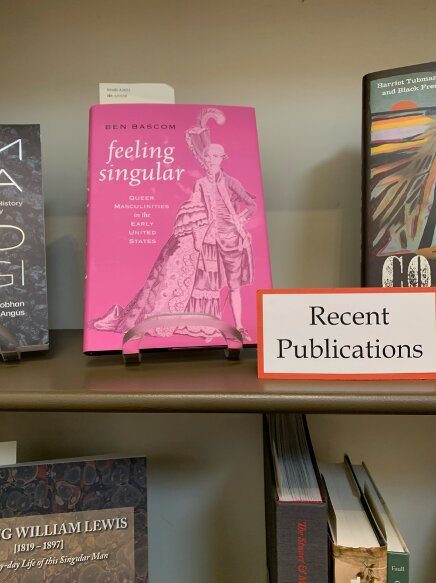
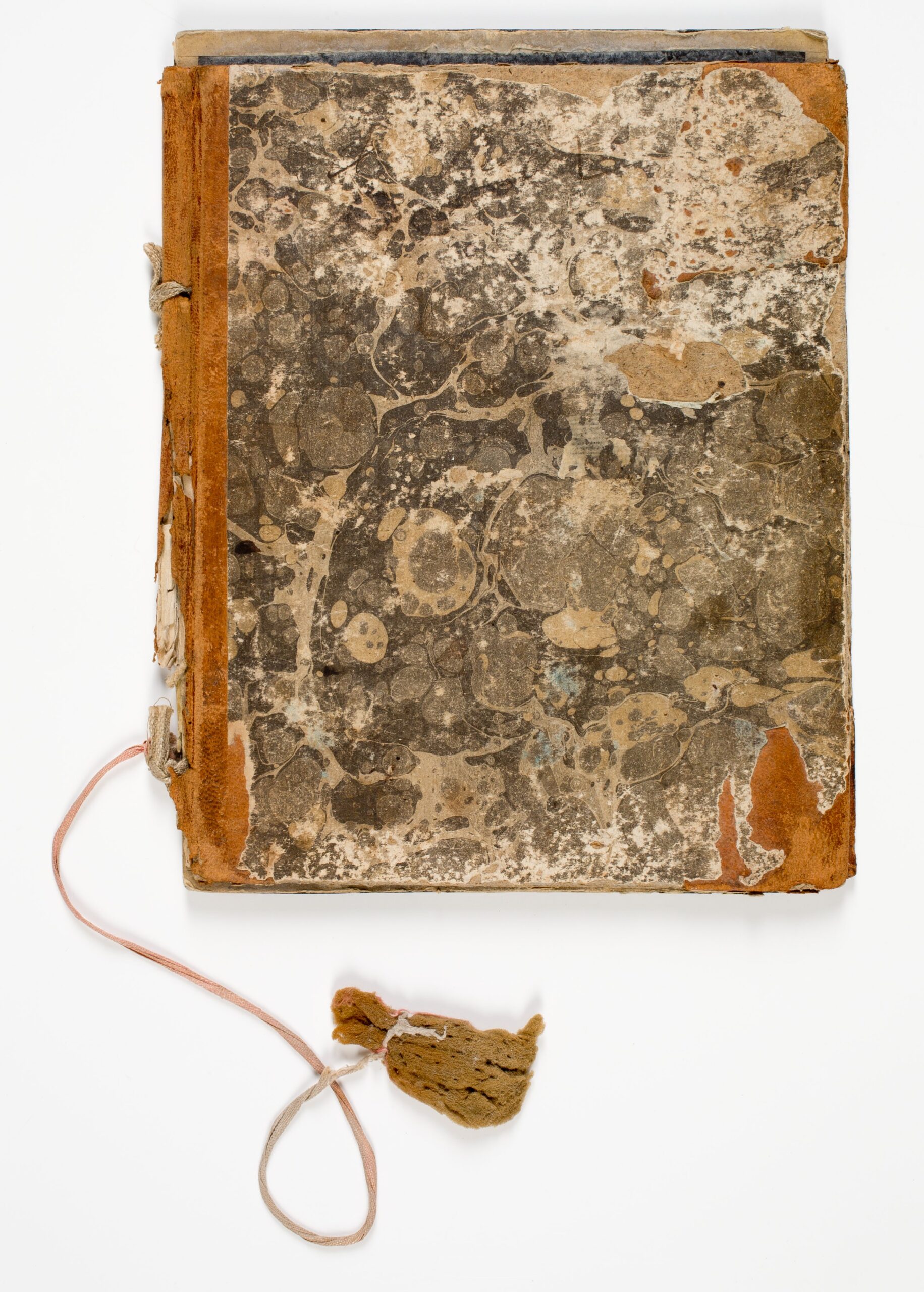
Figure 1: Ben Bascom, Feeling Singular: Queer Masculinities in the Early United States (Oxford: 2024). Image courtesy of Meredith Neuman, who took the photo of the author’s book from the American Antiquarian Society’s reading room.

Get Messy

It is valuable to write messy drafts, to jot down unfinished sentences not knowing if they will ever cohere. Rarely do projects feel cogent at their first articulation, “feel” being the operative word. We pushed early for the elevator pitch in the 2010s when I was in graduate school and judged one another on the tonal weight and interesting buzzwords that our 2-3 sentences carried. I remember feeling embarrassed by my workaday imagination when words stalled from my mouth as I described what I was working on in piecemeal terms. But I always tried to persevere and talk through the discomfort, imagining that doing so would one day make it easier to share the shape of a longform writing project. Those qualms now seem far afield from the immense value of thinking things through in community. We are the ideas that we share with others. And maybe the mutual discomfort that comes by hitting mental roadblocks as we talk through our ideas is all part of the process.

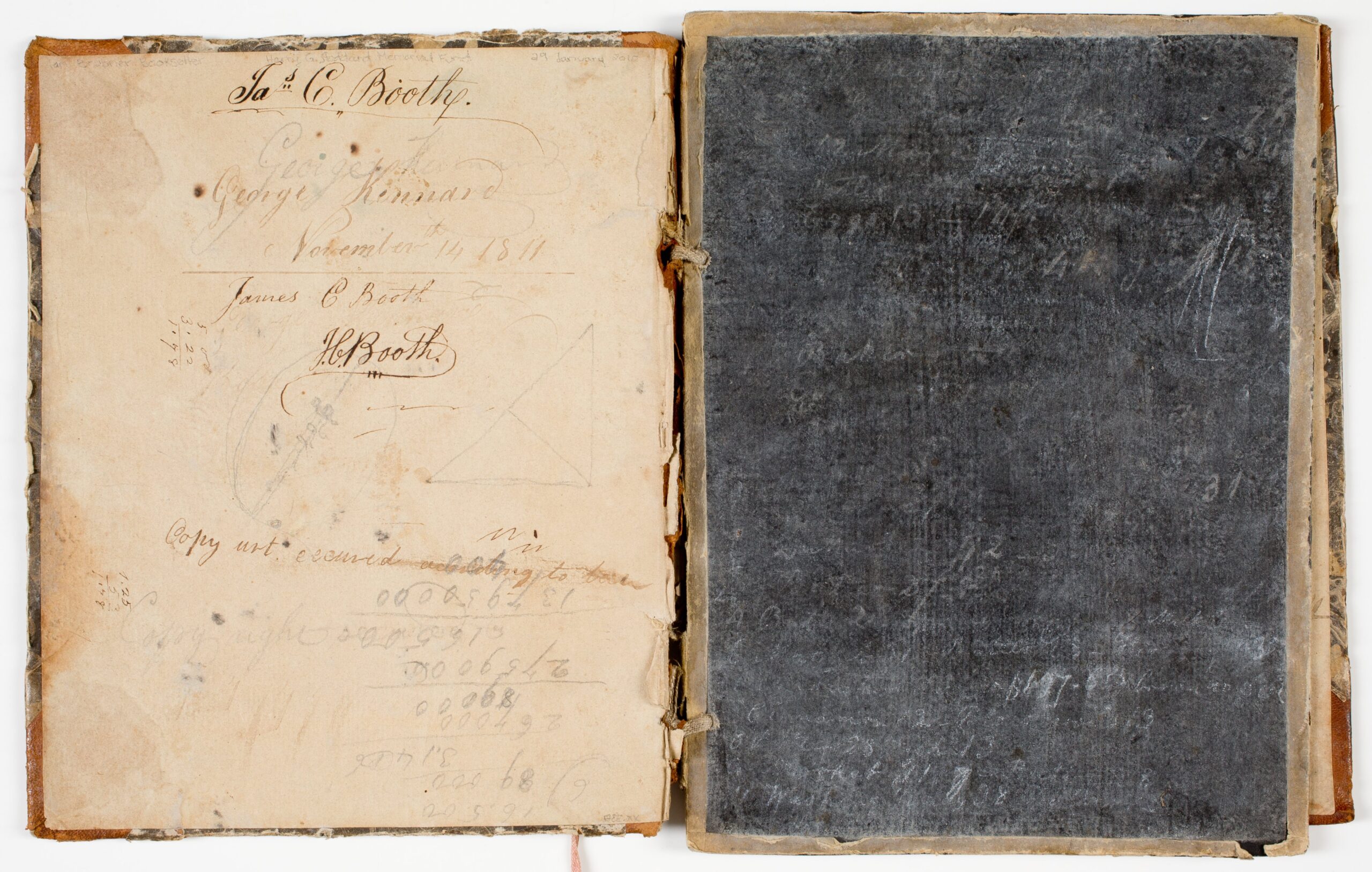
Figure 2a: Image of blank slate book (United States: s.n., ca. 1811), Courtesy, American Antiquarian Society.
Figure 2b: Image of blank slate book (United States: s.n., ca. 1811), Courtesy, American Antiquarian Society.

I recently came across drafts of my dissertation prospectus that mapped out what eventually became my book, and the titles sounded to me like a mouthful of marbles. One was “Property and Perversion: the US and Its Aftermaths in the Long Nineteenth Century,” and the next iteration evolved into “State Affects and Republican Properties: Early US Citizenship and Its Aftermath,” with a later version using the subtitle “Feeling Wrongly in the Early United States.” Pivoting from the absurdly tough-to-say “Feeling Wrongly,” I settled on “Feeling Singular: Masculinity and Desire in the Early Republic” for the title of the dissertation, which I defended in late 2016. The book it’s based on came out eight years later. As a recent author, I’m realizing we don’t talk enough about the way projects form and unform, how the detritus on the cutting room floor can sometimes be salvaged or patched together. And with the rise of more purported writing tools affiliated with AI, I want to offer a brief meditation and reclamation of a writing process that appears increasingly to verge, in the corporate imagination, toward the Jurassic.

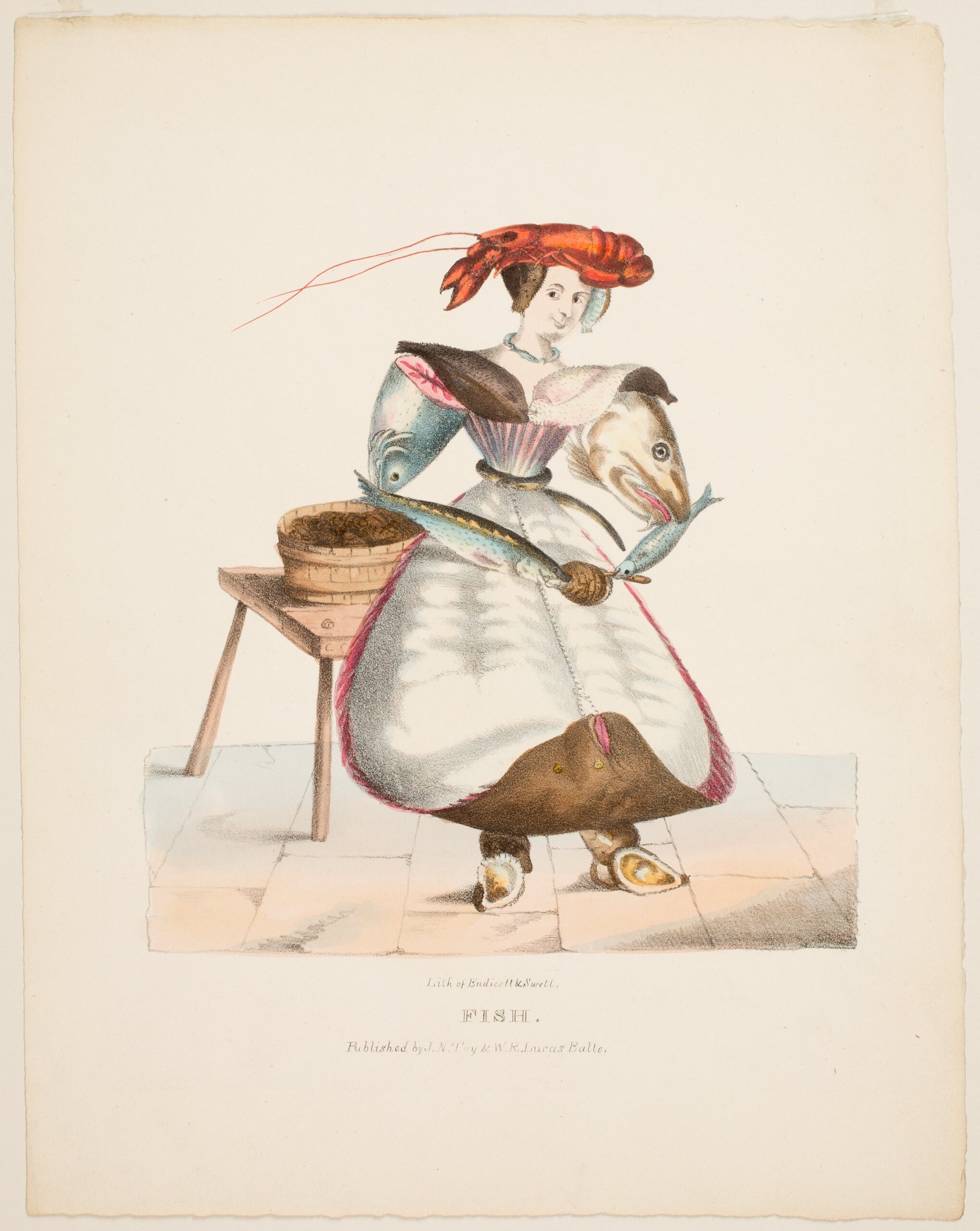
Figure 3: Fish in George Spratt, Twelve Original Designs (Baltimore: J.N. Toy & W.R. Lucas, 1831). Courtesy, American Antiquarian Society.

Having reviewed those aspirational prospectuses, I can faintly trace the eventual shape of where that PhD-bestowing project would lead me: scholarship on queer studies, gendered and racialized identities, and early US literature. But the end result is so far removed from what was proposed that it caused me to pause while reading over these files. I would imagine that most big-scale projects like a dissertation-to-book function through such nonlinearity.

I think we can learn a great deal from reading the proposals that people pitch for degrees or external funding, or to reflect on what we imagined a project would look like when we started and then observe the disparities between aim and arrival. The sometimes muddled, sometimes chaotic processes of writing hide behind the veneer of finished publication. As such, one key lesson I have gleaned is the benefit to sit with the discomfort of writing in strange and uncomfortable genres—the pitch, the prospectus, the proposal—and how worrisome it feels when new modes of AI writing technology pretend to surmount those steps.

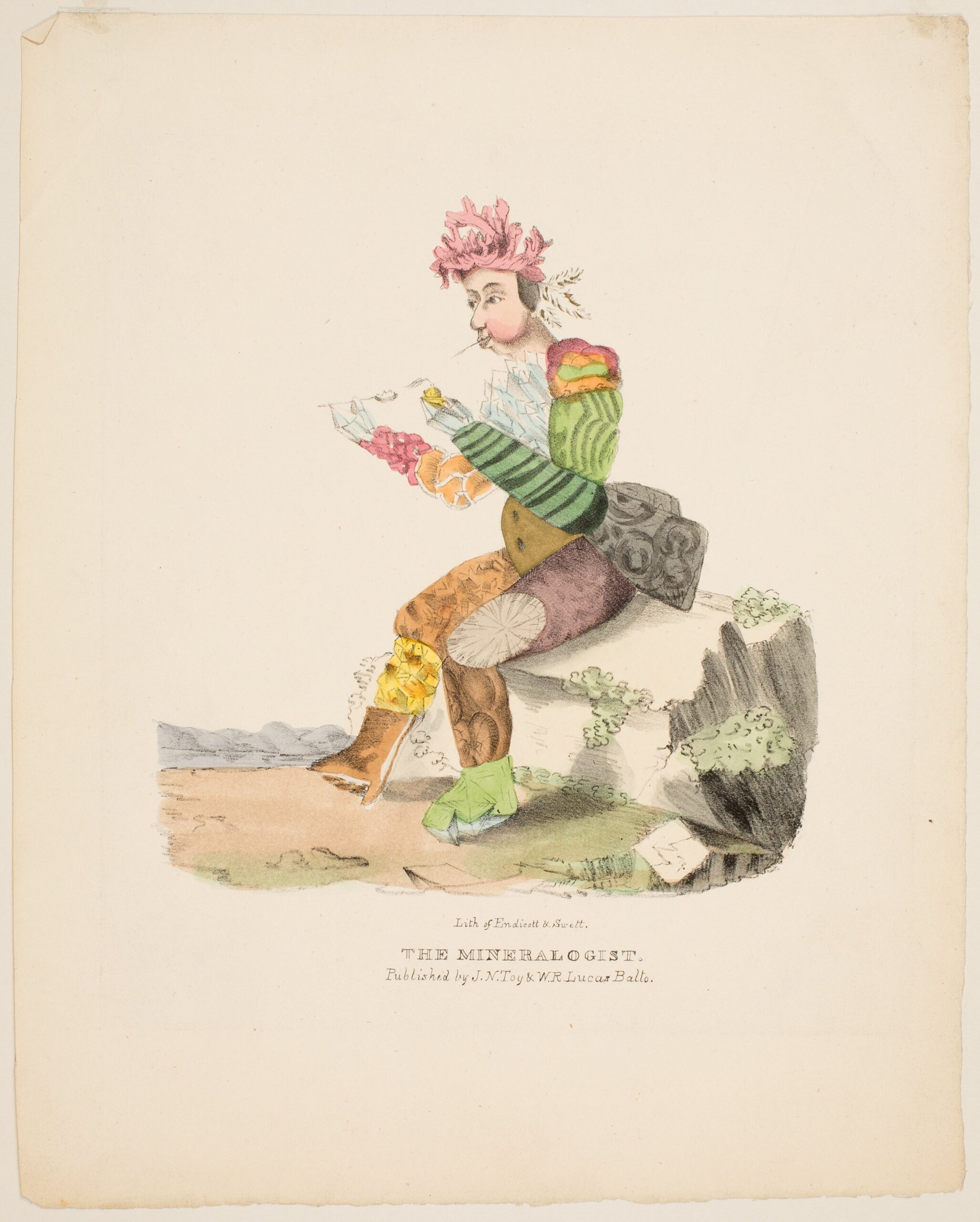
Figure 4: Minerologist in George Spratt, Twelve Original Designs (Baltimore: J.N. Toy & W.R. Lucas, 1831). Courtesy, American Antiquarian Society.

Floundering and Flailing—with Others 

I remember sharing my desire to write a history of state power by way of introduction at a graduate seminar. At the time I conceived that all the early US figures I was interested in researching had precarious relations to power, historical memory, and cultural longevity. But other than that, I did not really know how to frame the interesting texts I was encountering. Most books in early and nineteenth-century American literary and cultural studies have what Gordon Hutner would call a “logic of inclusion,” or an apparent and coherent rationale for the texts that come into focus. My project, however, seemed to be ordered through disorder, tethering together disparate figures through their fragmentary aesthetics. Understanding the roundabout, accumulative way that scholarship often operates, I see those around-the-table imperatives to speak a project into the void as important to the creative process. The type of confidence required to narrate a yet un-started writing project may be an awkward aspect of professionalization, but it’s also true that it’s invaluable to talk a project into existence.

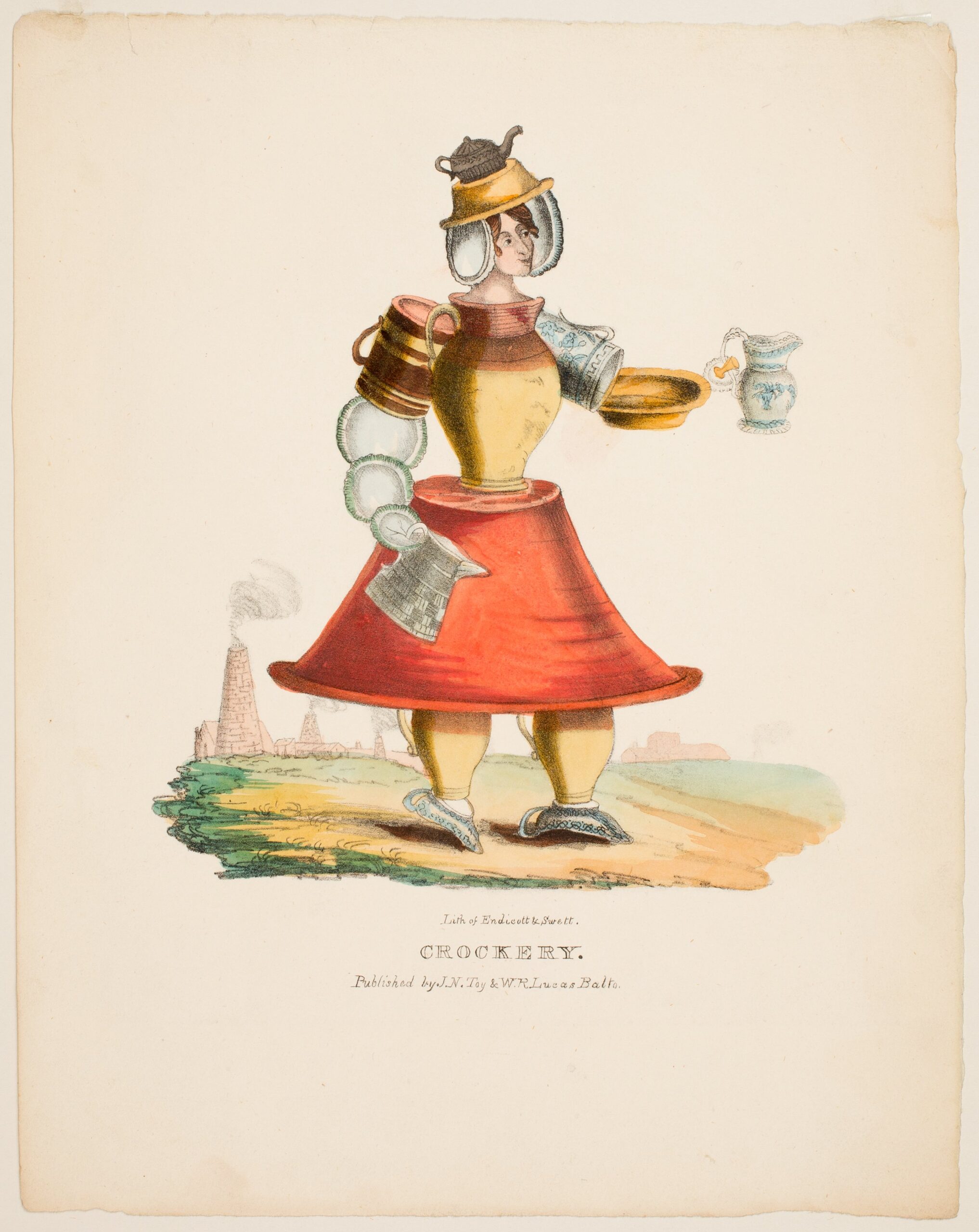
Figure 5: Crockery in George Spratt, Twelve Original Designs (Baltimore: J.N. Toy & W.R. Lucas, 1831). Courtesy, American Antiquarian Society.

I’ve heard of many individuals feeling isolated in their work now resorting to what I understand as faux conversations with digital figurations to brainstorm or free write. There are of course affectual tonalities that get abstracted out when people use AI to brainstorm or use it as if the machine can speak back and enhance their thought. And that seems dystopic to me, the horrifying impulse that tech mogul Marc Andreesen celebrates as “the machine version of infinite love.” The communal process of knowledge creation—a knowledge creation that emerges from Humanistic inquiry, however fraught and complicated—should not be mechanized or algorithmically derived from massive buildings that syphon water and electricity from community reserves. I’m not naïve enough to promote some Romantic notion of authorial inspiration, I just want to do more than pump the brakes on the drive toward using tools that vacate the trial-and-error of embodied conversations and suture incoherence into vacuous synthesis.

One of my academic heroes—Mark Mattes, who runs Hot Brown Press and writes on early American handwriting and Indigenous studies—saw a specific regional need to connect academics. For the past six years he has organized a summer writing workshop for folks in the Ohio River Valley called OCEAN (Ohio Country Early Americanist Network), and it has been a remarkable occasion to connect with others and build the intellectual infrastructure that generally emerges through the robust conversations of multiple people in the same field of study. I mention this to signal the way such writing communities can continue to be built long after graduate school. Indeed, this very piece of writing benefited from rigorous readings by the religious studies scholar Sonia Hazard and historian of US and Indigenous diplomacies Elspeth Martini, who engage with me weekly in a remote writing community.

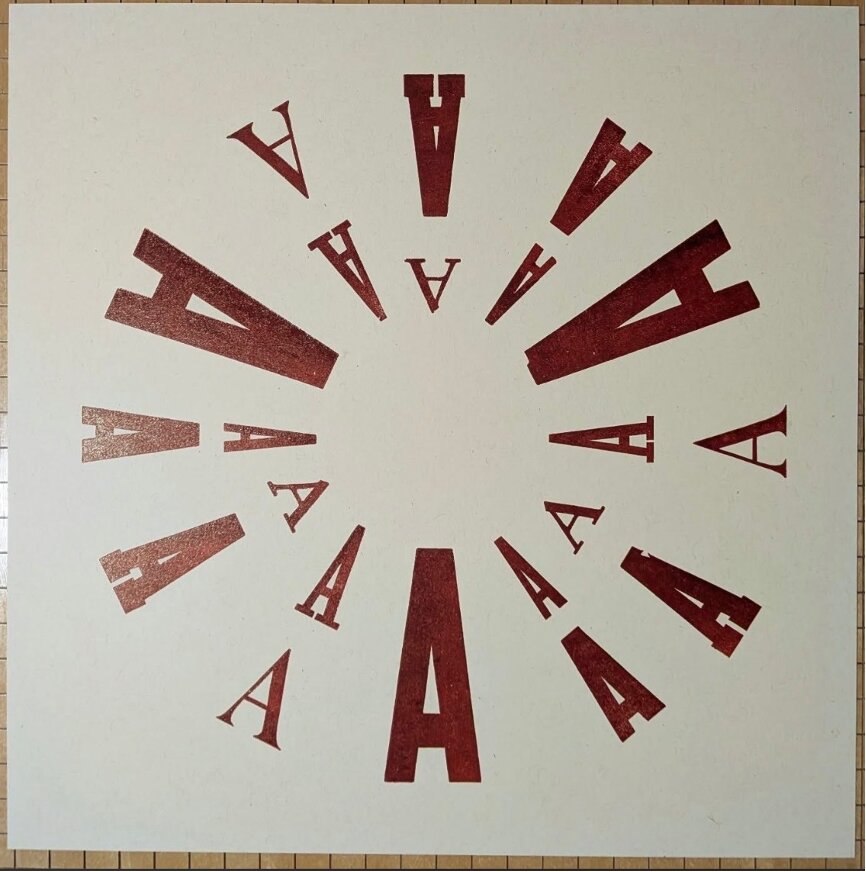
Figure 6: Author’s image of a Mark Mattes print from Hot Brown Press, originally made for a lecture at the University of Louisville. The visual image of this print offers an implicit reference to much of the currenting branding of AI companies.

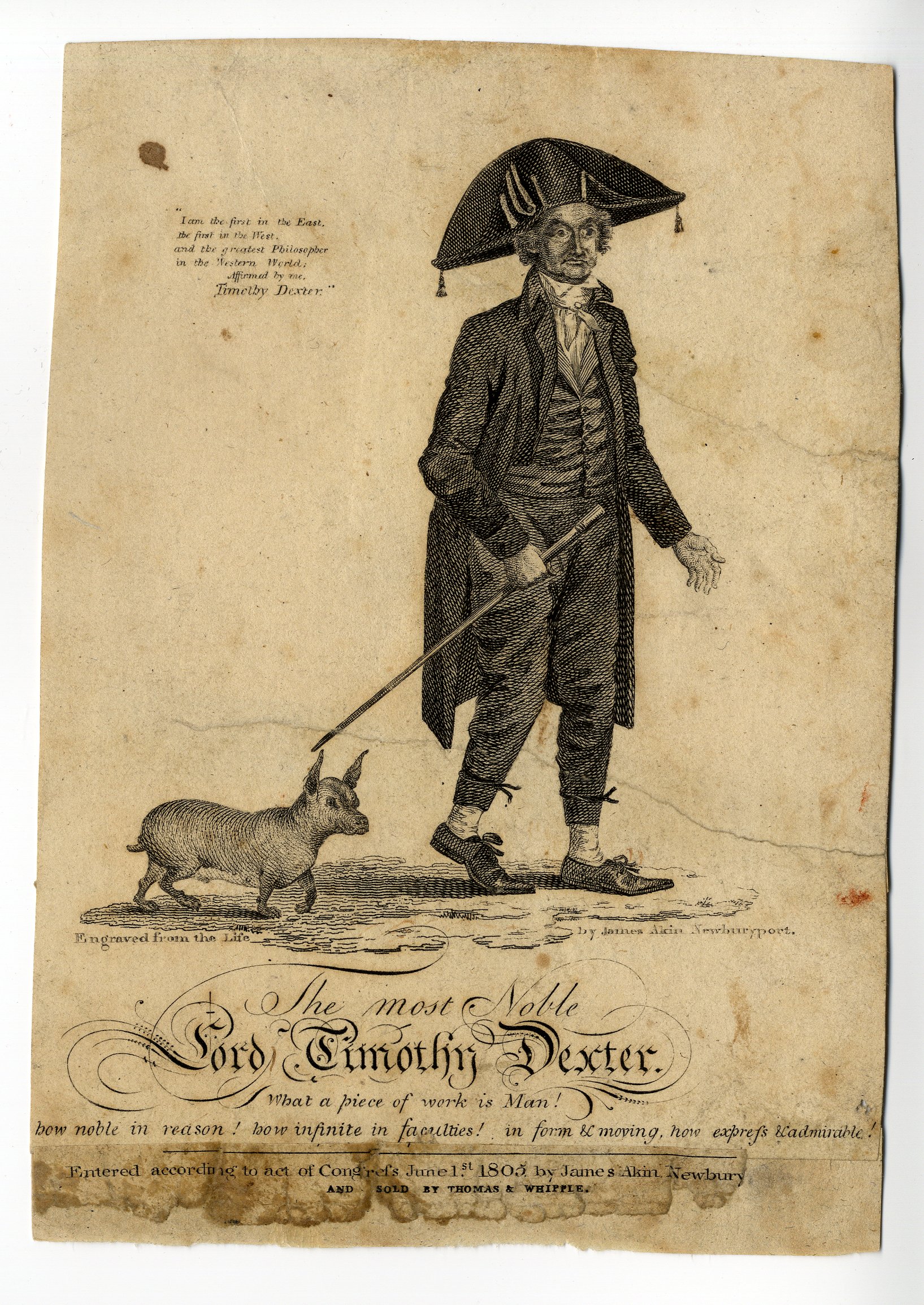
After I passed through the hurdle of the prospectus, I continued to find myself collecting strange life narratives that I, at the time, didn’t know what to do with. I remember discussing one of them—Jonathan Plummer—with a friend and concluding that maybe not much was written about him because his writings weren’t all that great. Plummer first came to my awareness when Karen Weyler suggested I look up his writings when she heard me give a paper at a Charles Brockden Brown Society Conference in 2012. I was intrigued by his biography—a fish-selling balladmonger who made a living from local catastrophes in Newburyport, Massachusetts: if a house caught fire, he was inclined to write about how the victims were likely fornicators and received their just punishment, producing the events into broadsides that he could sell. He became even more infamous for supposedly refusing to have sex, writing about what he called his “celibracy” as a curious portmanteau of celibacy and celebrate. I endeavored to write about him, as I thought his declaration in a broadside that he was “No Hermaphrodite” too interesting of an exposure not to work on for a project that was becoming about masculinity. Although Plummer had written an unwieldly life narrative, only one remaining copy is extant (though the copied microform is available through Early American Imprints). And while he wrote dozens of bizarre broadsides, his writing was aesthetically uninteresting, as some might say. The limits of attention that prescribe certain texts to the canon or proscribe them for the archival dustbin was central to how I imagined the interest this writer would derive. The type of writerly aesthetics that academia tends to privilege does not really have time for the garrulousness of a man writing down his dreams and publishing them in a self-centered narrative. But the hunch of following Plummer led me to the bizarre cultural chaos of “Lord” Timothy Dexter, who truly, as one might say, needs to be studied, as you will see below.

Figure 7: The Most noble Lord Timothy Dexter. Engraved by James Akin (Newburyport, MA: James Akin, 1806). Courtesy, American Antiquarian Society.

Writing As Resistance

The first draft of my prospectus outlined how my project would try to think about local situations of state power and how they operate on the level of the individual. I would illuminate these power relationships from the perspective of a man who killed himself after being shunned by the new federal government, the supposed last writings of a woman who was executed for infanticide, the confession narrative by an enslaved individual accused of various crimes, and a completely unhinged reading of Herman Melville’s Israel Potter (1855). As an exercise in aspiration, the prospectus got me through the important hoops. As I tried to wrangle coherence into this project, however, certain structures and questions slipped away while others came into formation. My method became oriented around the rabbit hole of archival association, and the project turned to the life narratives of a series of individuals most people had never heard about.

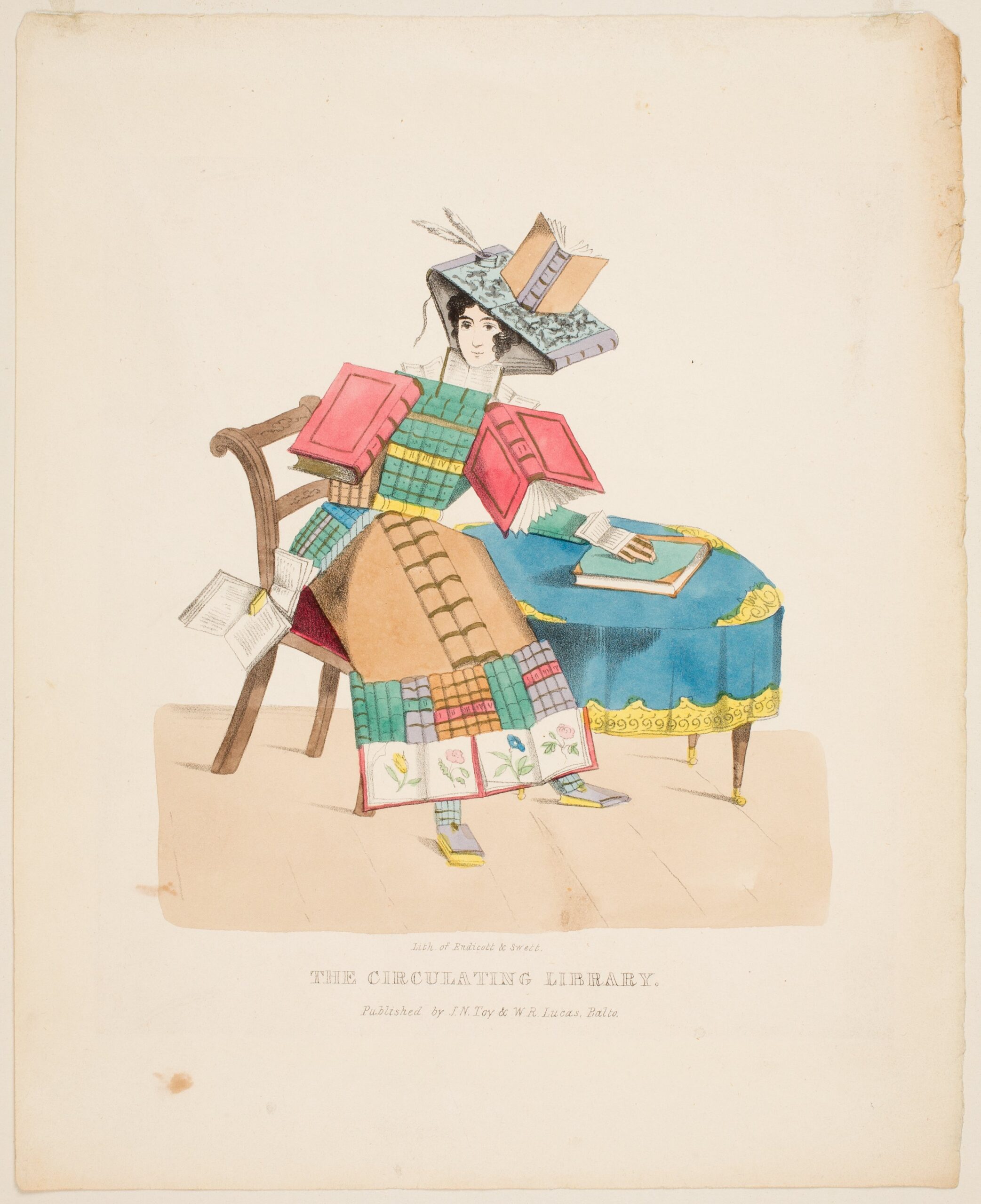
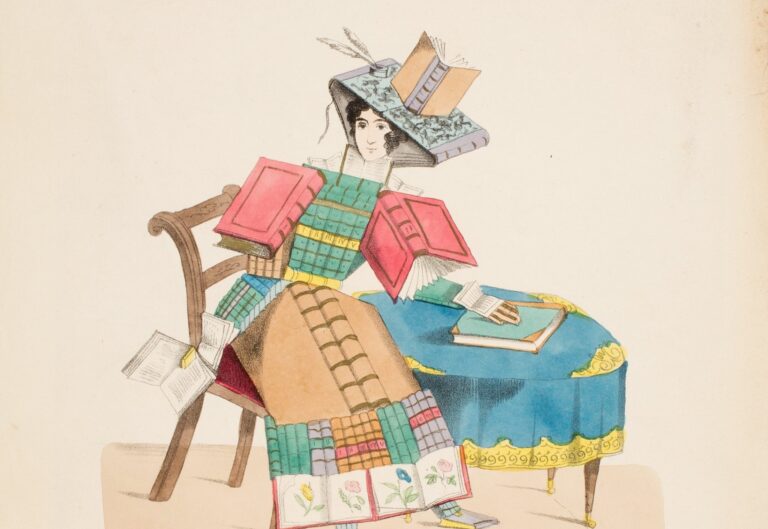
Figure 8: Circulating Library in George Spratt, Twelve Original Designs (Baltimore: J.N. Toy & W.R. Lucas, 1831). Courtesy, American Antiquarian Society.

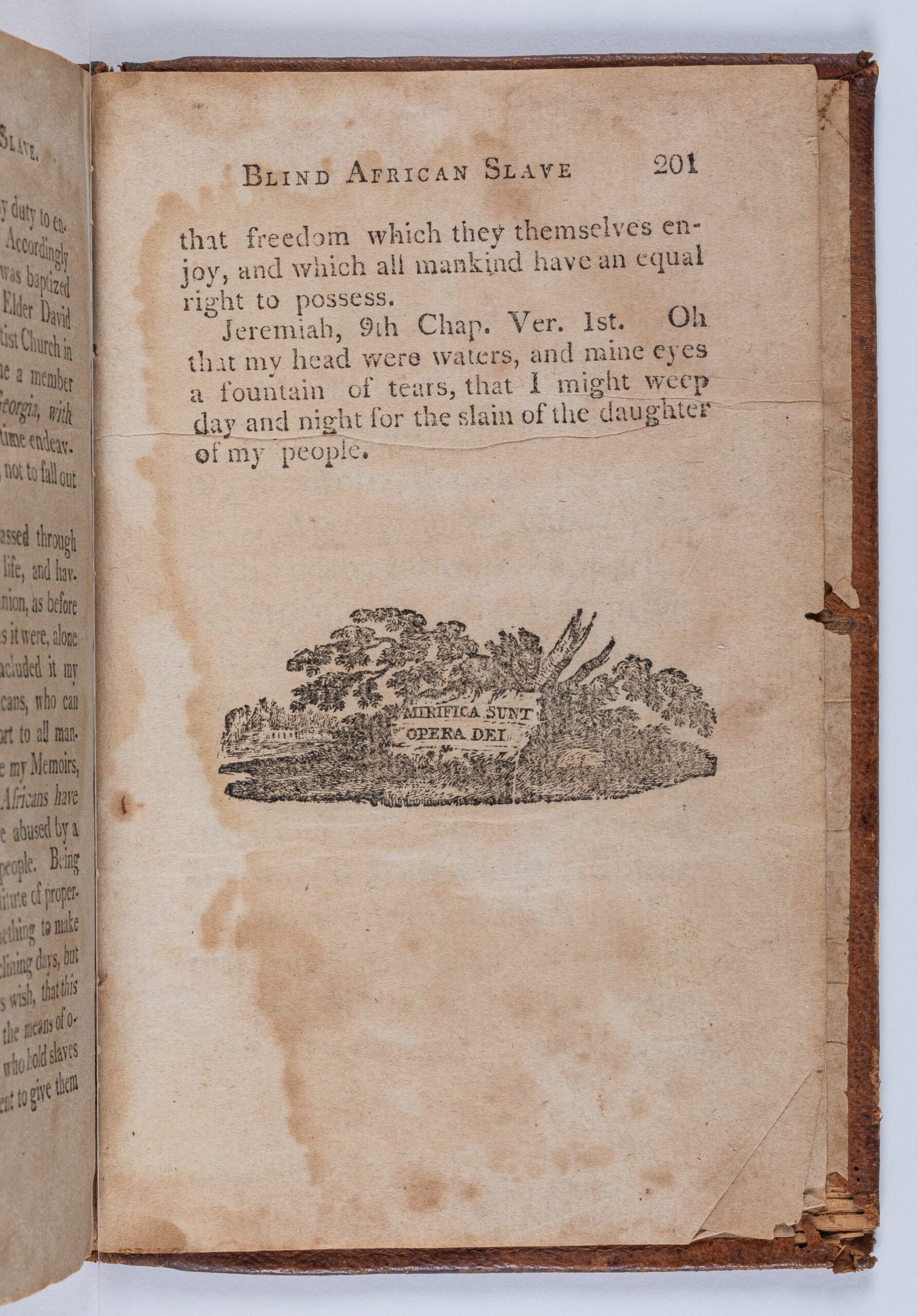
Through the hindsight of publishing Feeling Singular two years ago, I can now better perceive—after reflecting on the project’s slow accumulation—how those earlier versions of the project were conceptual steppingstones to arrive at what the book is now doing. That all becomes more apparent when I allow myself to remember that I truly had no idea what I was doing when I began assembling life narratives—memoirs, personal narratives, and autobiographies—of lesser-known people who fascinated me. I just found myself really interested in the life of the fraught steamboat inventor John Fitch; and I was stunned that more people hadn’t been assigning in their classrooms The Blind African Slave, a collaborative memoir by and about Boyrereau Brinch/Jeffrey Brace (and reintroduced in a scholarly edition by Kari J. Winter through the University of Wisconsin Press in 2005), an individual who had been captured into slavery and eventually manumitted after the Revolutionary War, settling into Vermont where he became a farmer.

Figure 9: Conclusion to The Blind African Slave. Latin inscription: The works of God are wonderful. Boyrereau Brinch, The Blind African Slave or Memoirs of Boyrereau Brinch, nick-named Jeffrey Brace (St. Alban’s, VT: Harry Whitney, 1810), 201. Courtesy, American Antiquarian Society.

In an early draft of a dissertation chapter, I concluded with a segue to Michael Cobb’s Single: Arguments for the Uncoupled (2012). While it may be noted as a little strange, or singular, to use contemporary critical theory to explain early American politics, I find that type of juxtaposition a way to make more vivid how the past might inform the present. One of Michael Cobb’s major insights was useful for how I thought about a hermit narrative that fascinated me. Cobb notes that a totalitarian regime is invested in maintaining the conditions of isolation and loneliness for figures rendered disposable or perceived as a threat to the consolidation of its power. This got me reflecting about the way power tends to operate in its most egregious and desperate manners: which is to say, fascism loves to wield the power of a unifying collective at the expense—the death and eradication—of those figures and figurations that don’t fit within its bundling formation. Other scholars (like my dissertation director Trish Loughran) have been working on these types of questions for a while, thinking about the fascism inherent in early US politics. But as I saw the effort to normalize fascism in different ways I began to wonder about the way masculinity as a type of public expression of individuality comes to manifest in specific modes to create demagogues. Fascism seems to love a singular, all-encompassing story to tell to justify its conforming of power. I now recognize my book as a response to the cultural narrative that wishes to produce a uniform narrative around the founding moments of the United States.

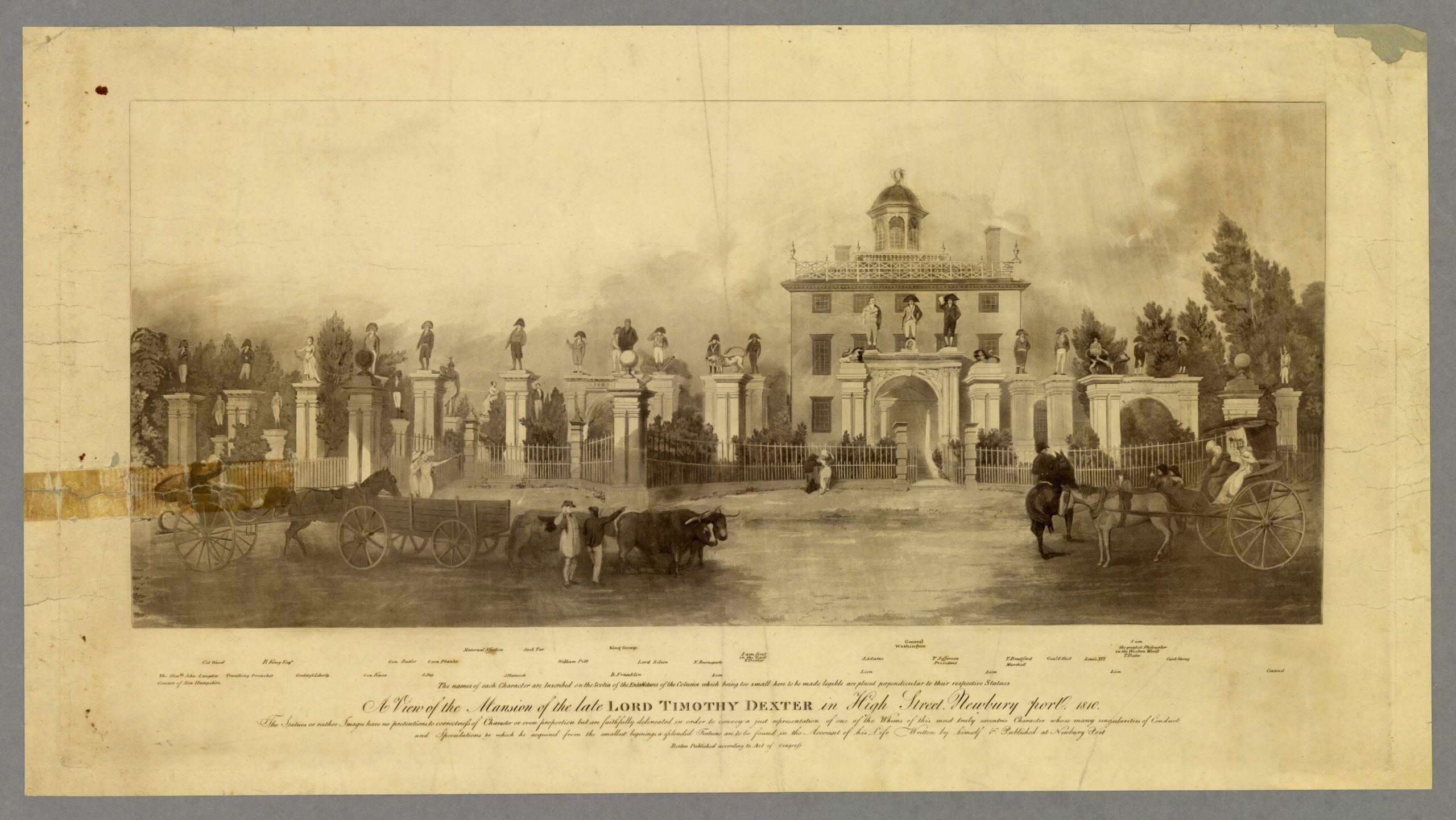
So even as Feeling Singular uses the archives of the late eighteenth and early nineteenth centuries, its resonances are deeply entwined with our ongoing moment. One tidbit to close out this thread comes from my third chapter, “Federalism in Drag: Timothy Dexter’s Pickle and Other Perverse Properties,” where I look at the life and writings of the self-declared “Lord” Dexter and his aspirations for political renown and influence. Dexter had supported the abovementioned peddler Jonathan Plummer as his personal “poet laureate” after speculating wildly on a variety of wares that made him a fortune. With this new wealth, Dexter began to flaunt eighteenth-century norms, using print publication to share outlandish ideas and in unconventional ways, like a phonetically spelled pamphlet that declares “IME the first Lord in the younited States of A mercary Now of Newburyport it is the voise of the people[.]” I found it telling that Dexter would commission wooden statues of himself and other political celebrities around his home in order to court attention. It seemed so relevant to related efforts to construct and manufacture attention on the global political scale, like installing one’s own name on buildings and edifices, or inventing a statuary park to celebrate ones supposed accomplishments. Seeing that type of narcissistic expression in the 1790s and early 1800s offered insights into other similarly excessive gestures and how they gain traction, presenting a lens into the political stakes of failed seriousness.

Figure 10: John Rubens Smith, A View of the Mansion of the Late Lord Timothy Dexter in High Street, Newbury port. 1810 (Boston: John Rubens Smith, 1810?). Courtesy, American Antiquarian Society.

I’ll continue to worry over the contemporary grift toward fascist aesthetics, and their accompanying politics, that tech conglomerations propound. The rise of uniformity through AI models—which manifest a desire to assert conformity—flatten out difference in the service of ease and convenience, and such so-called AI tools would have made impossible the readings I offer in Feeling Singular. The celebration of AI as a synthesizing tool for writers eclipses the lessons of failure, for falling short of ideals. Although a capitalist economy seems to monetize nostalgia before what it mourns has even passed, one of the uncanny undercurrents to these reflections—in an earlier draft I wrote gruesome undercurrents—is the fact that I am spending $5.99 a month for my Gmail account to store all the files that I have been rereading to think about the processes of writing today. Though again, I’m not advocating for some Romantic notion of authorial inspiration; but I am advocating for not losing our connections to people.

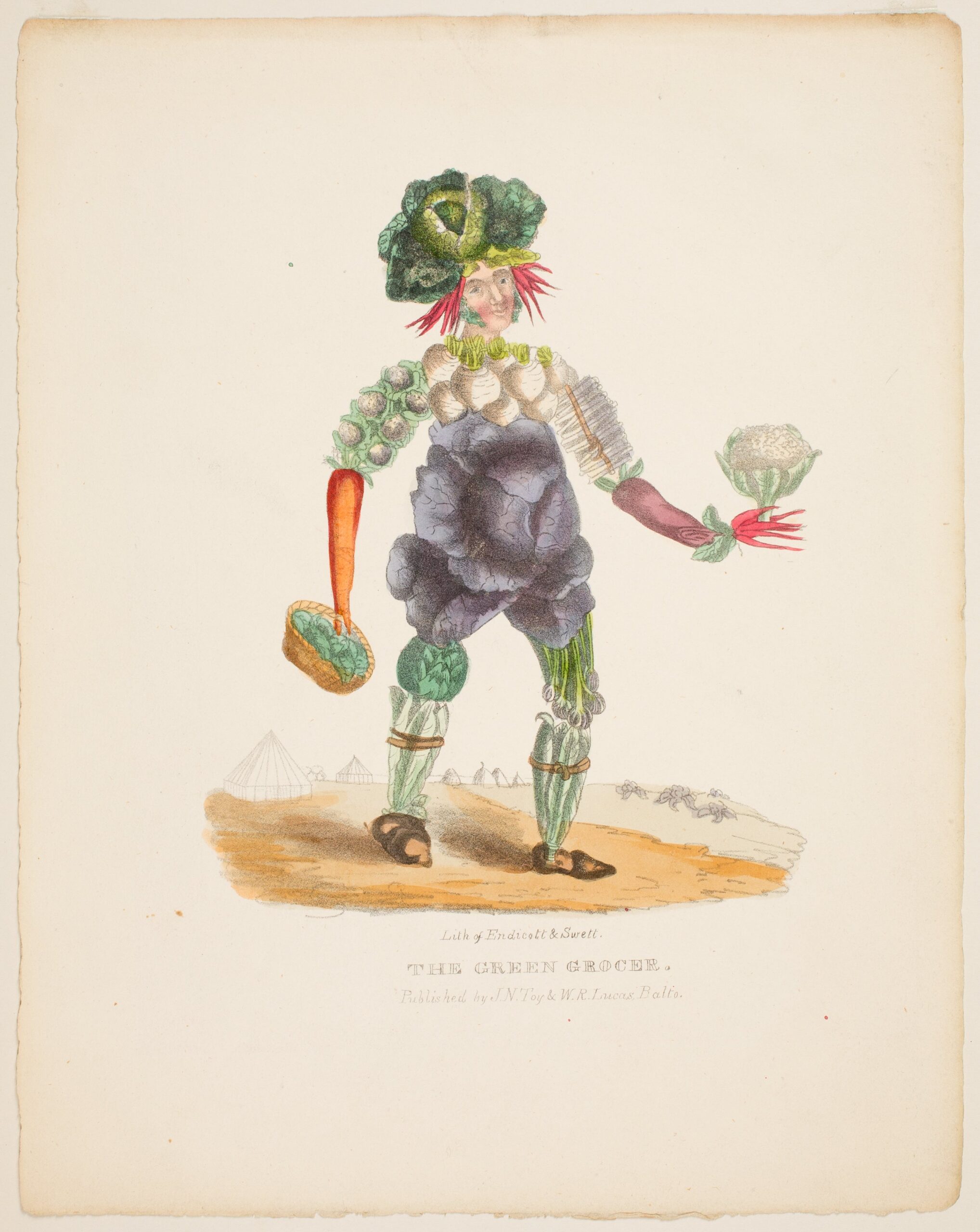
Figure 11: Green Grocer in George Spratt, Twelve Original Designs (Baltimore: J.N. Toy & W.R. Lucas, 1831). Courtesy, American Antiquarian Society.

Further Reading:

Michael Cobb, Single: Arguments for the Uncoupled, New York University Press, 2012.

Martin Paul Eve, Theses on the Metaphors of Digital–Textual History, Stanford University Press, 2024.

Sonia Hazard, Empire of Print: Evangelical Power in an Age of Mass Media, Oxford University Press, 2025.

Anna Kornbluh, Immediacy, Or, The Style of Too Late Capitalism, Verso Books, 2024.

Trish Loughran, The Republic in Print: Print Culture in the Age of U.S. Nation Building, 1770–1870, Columbia University Press, 2007.

Mark Mattes, “Trees and Texts: Indigenous History, Material Media, and the Logan Elm,” Criticism: A Quarterly for Literature and the Arts 64.3 (2022): 267–284.

Elspeth Martini, “‘Visiting Indians,’ Nursing Fathers, and Anglo-American Empires in the Post-War of 1812 Wester Great Lakes,” William and Mary Quarterly 78.3 (July 2021): 459–490.

Don James McLaughlin, Phobia and American Literature, 1705–1937: A Therapeutic History. Oxford University Press, 2025.

Karen A. Weyler, Empowering Words: Outsiders and Authorship in Early America, University of Georgia Press, 2013.

The Blind African Slave: Memoirs of Boyrereau Brinch, Nicknamed Jeffrey Brace, edited by Kari Winter, University of Wisconsin Press, 2005.


This article originally appeared in November 2026.


Ben Bascom is an assistant professor of English at West Virginia University, where he teaches early and nineteenth-century American literature and culture, LGBTQ+ studies, and queer theory. He is working on a second book project that considers the interrelation between mental health and sexuality in the nineteenth century, bringing environmental and disability studies methods to consider the piecemeal ways alternative interiorities become pathologized. He currently serves as the co-editor of ALH Review with Chris Hanlon.