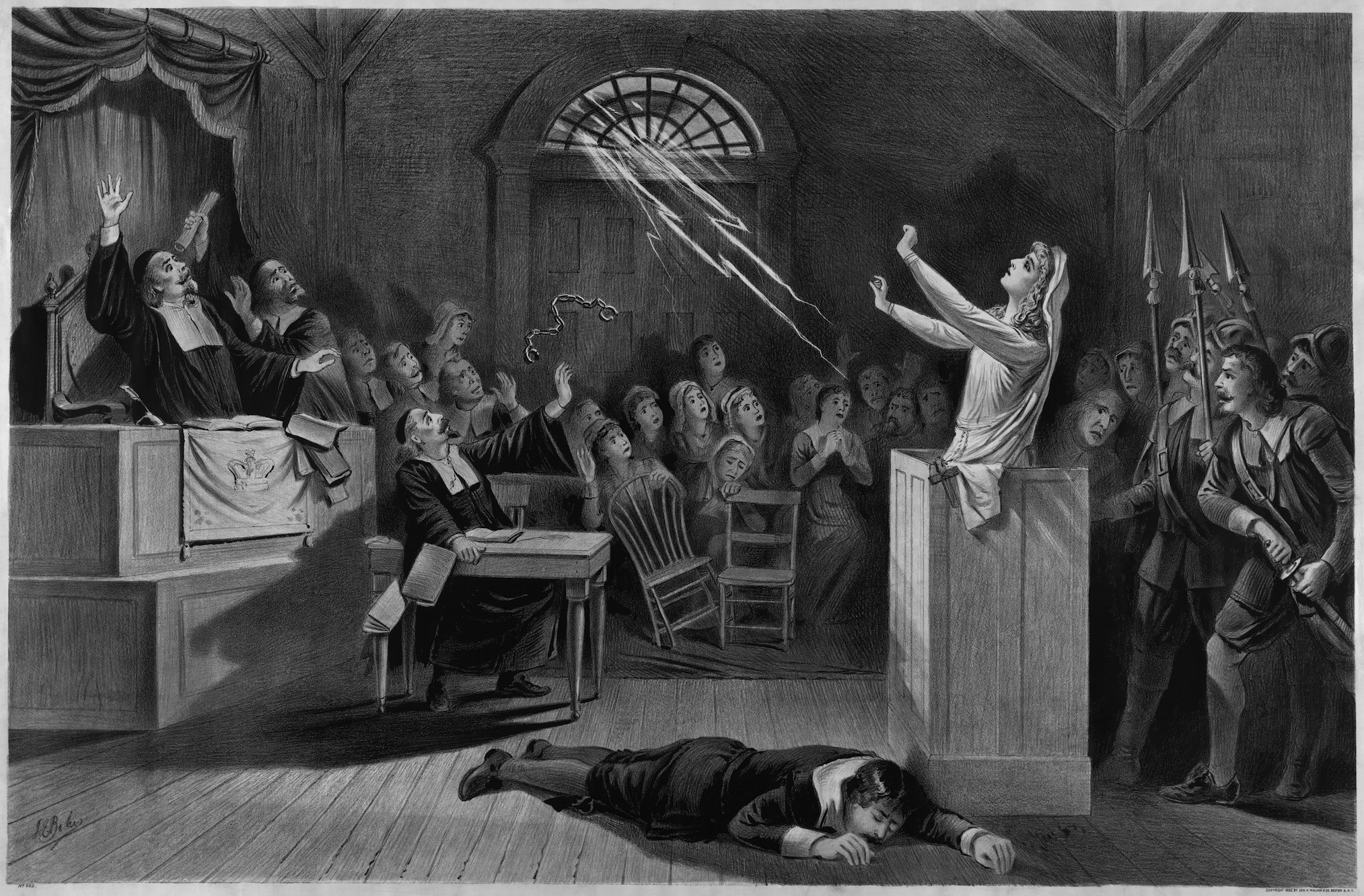
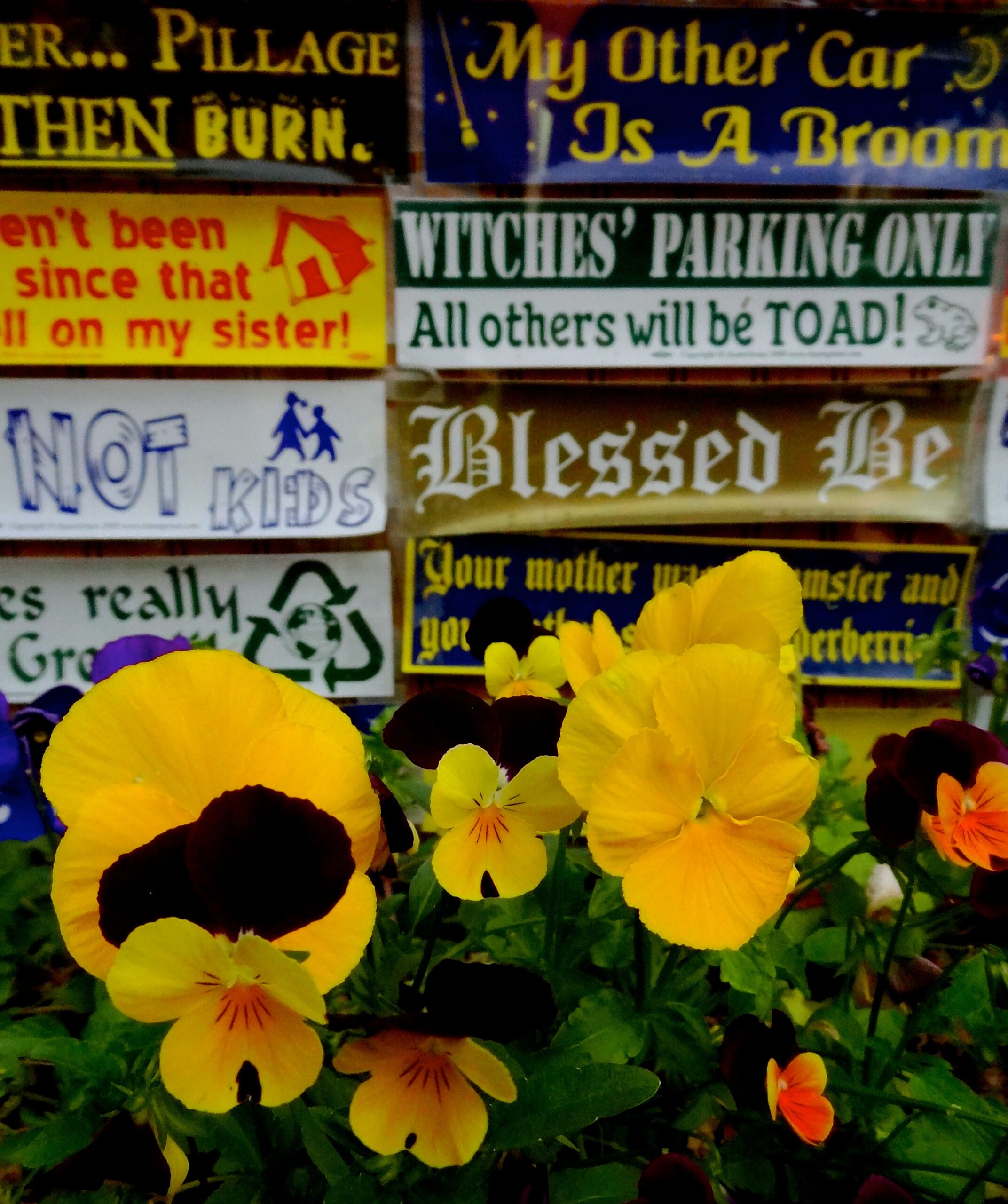
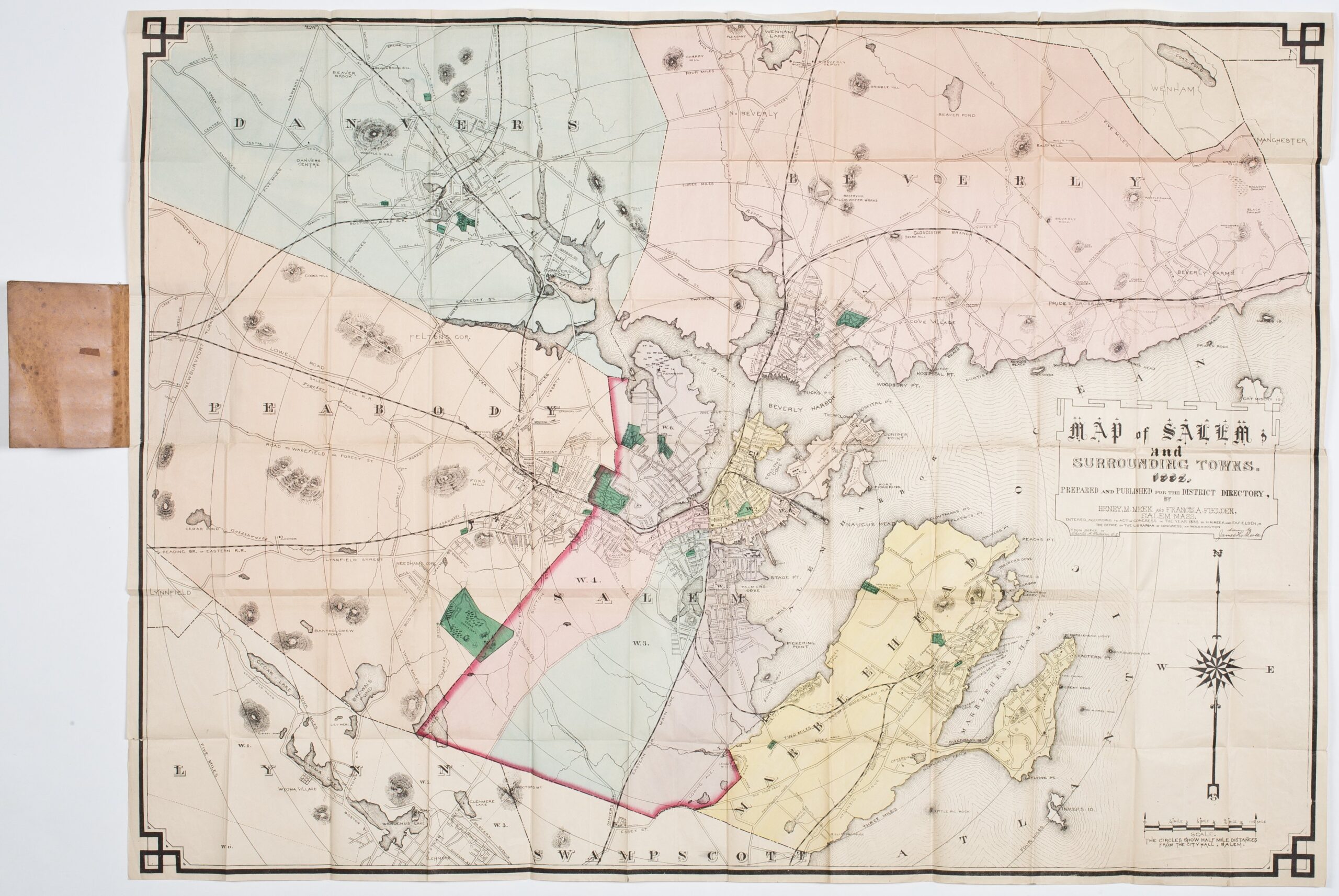
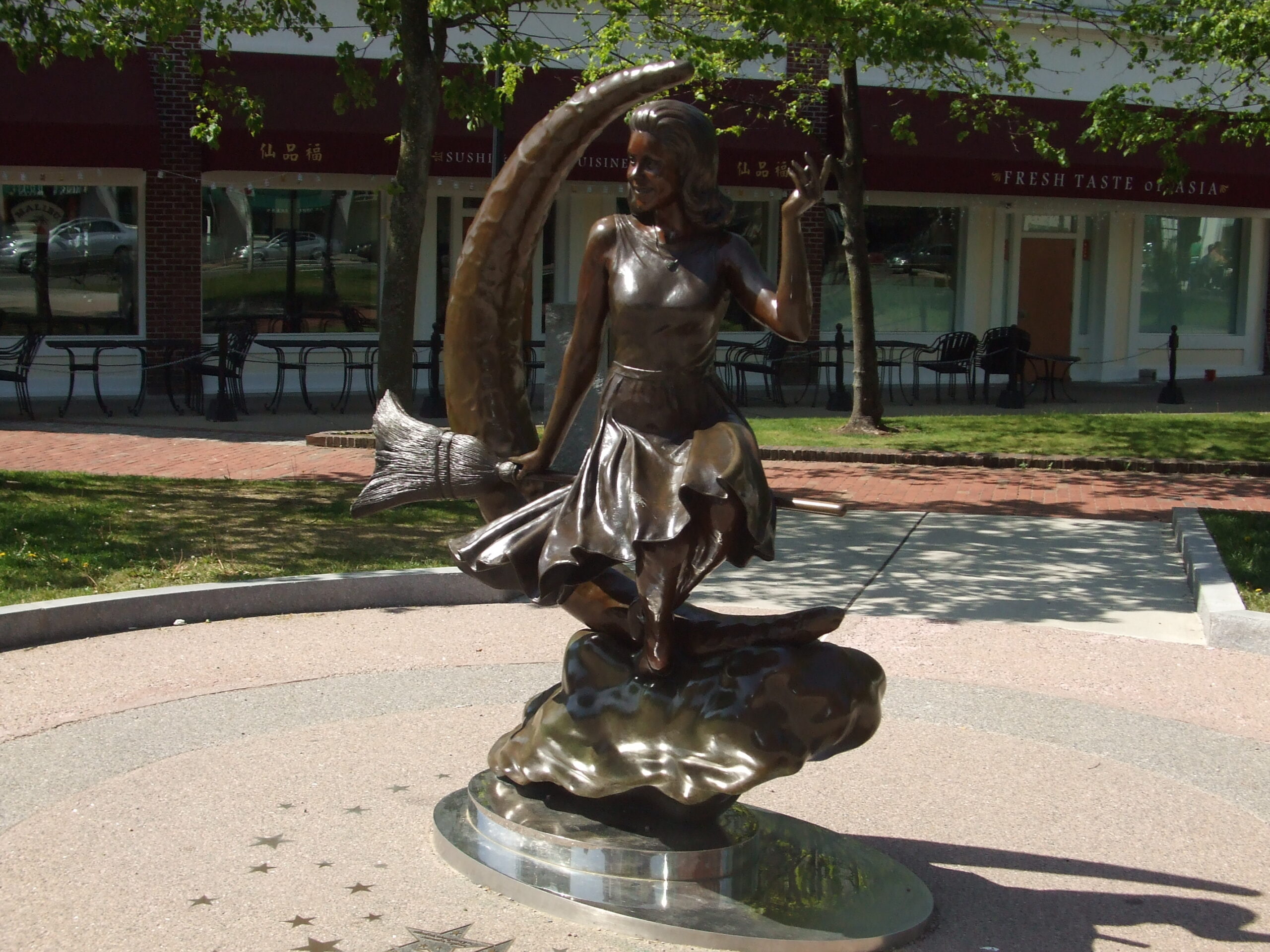
My final take away was to muse over the most popular interpretation of the Salem witchcraft, that promulgated in the 1974 work Salem Possessed: The Social Origins of Witchcraft by Paul Boyer and Stephen Nissenbaum. That work helpfully seated the witch scare in Salem Village and demonstrated how it reverberated out from there. It suggested that the root cause of the villagers’ conflict was the rise of capitalism, with frightened residents fearful of change accusing those who enjoyed some economic success in the new system (or were associated with those who did so). I have always thought that argument weak, as I recently explained in an American Historical Review piece. As a result, it was ironic to see that today, at least, Boyer and Nissenbaum had the right of it: Salem witchcraft, whatever it was about in 1692, today marks the triumph of capitalism. Clearly, in today’s Salem capitalism has won. The witches, for their part, continue to be silenced and misunderstood even as a cascade of money pours into Salem’s coffers.
Further Reading:
Paul Boyer and Stephen Nissenbaum, Salem Possessed: The Social Origins of Witchcraft (Harvard University Press, Cambridge, 1974).
Carla Gardina Pestana, “A Modest Proposal,” Commonplace: the journal of early American life, accessed October 26, 2025, https://commonplace.online/article/a-modest-proposal/.
Carla Gardina Pestana, “Early English Jamaica Without Pirates,” William and Mary Quarterly 71, number 3 (July 2014), 321-360. https://www.jstor.org/stable/10.5309/willmaryquar.71.3.0321
Carla Gardina Pestana, “The Origins of Witchcraft Crisis 50 Years Later — Paul S. Boyer and Stephen Nissenbaum. Salem Possessed: The Social Origins of Witchcraft” American Historical Review 129, number 4 (December 2024), 1751-54. https://academic.oup.com/ahr/article/129/4/1751/7915353
This article originally appeared in November 2025.
Carla Gardina Pestana started her scholarly life studying religion in New England. Since then she has studied other places and topics as well, and teaches at UCLA. As a child, her homemade version of Halloween was her favorite holiday. Her most recent book is a history of Plymouth in its first years and in a broader context: The World of Plymouth Plantation (2020).





_(11128350085).jpg)

.jpg)
