*
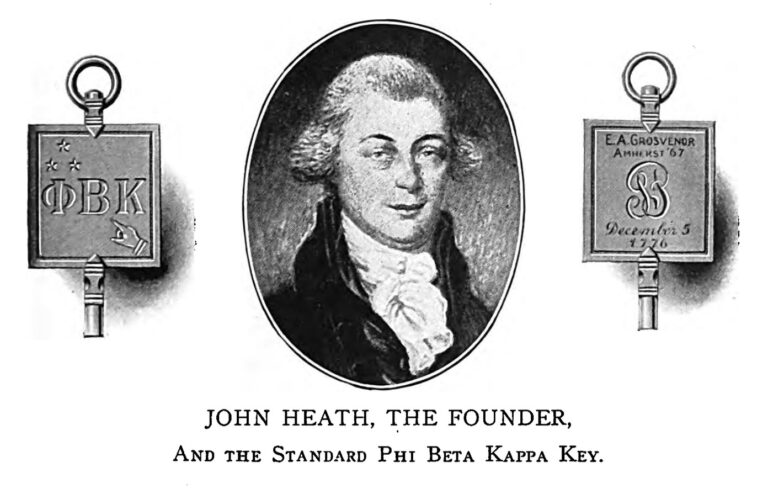
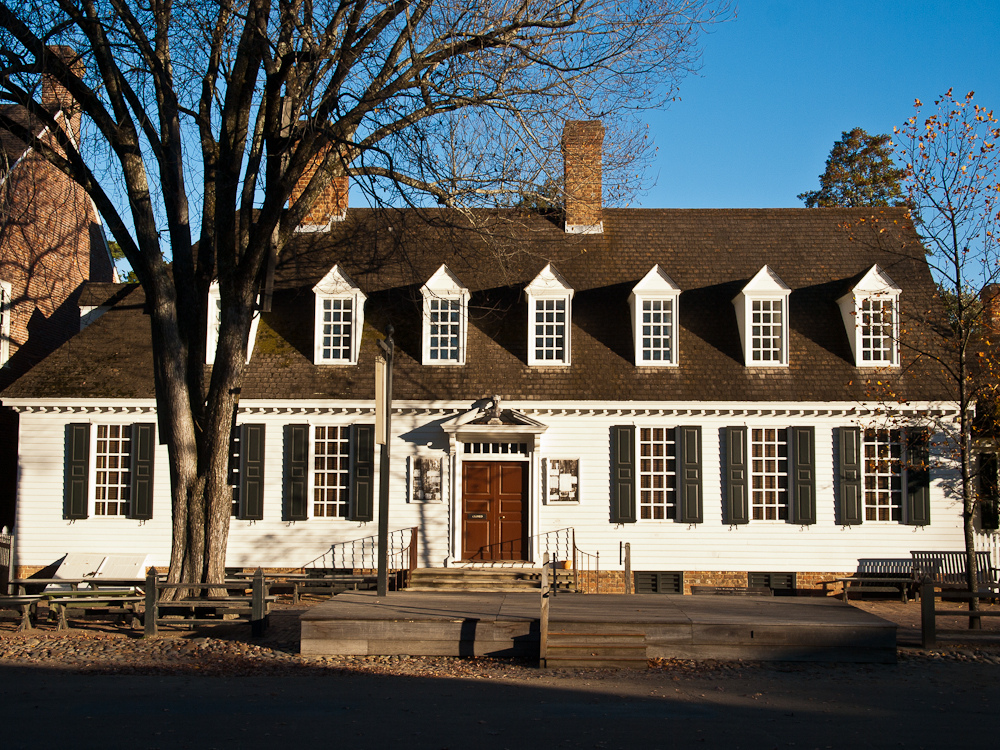
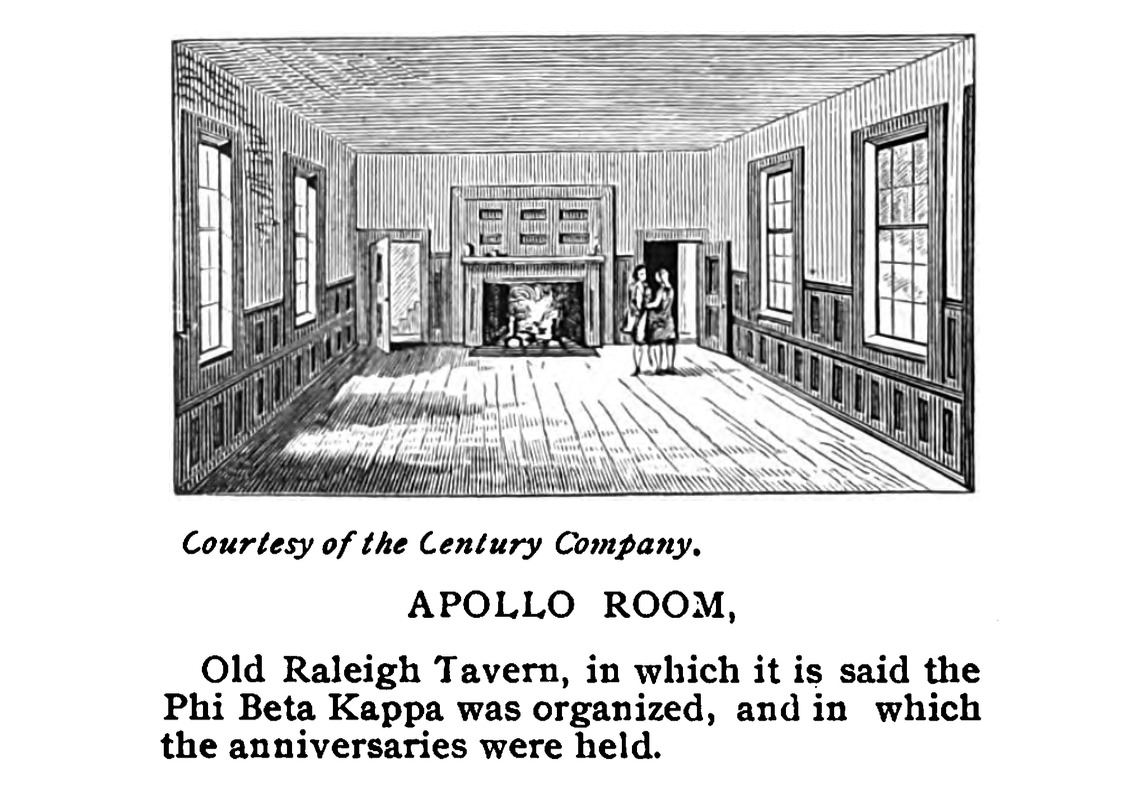
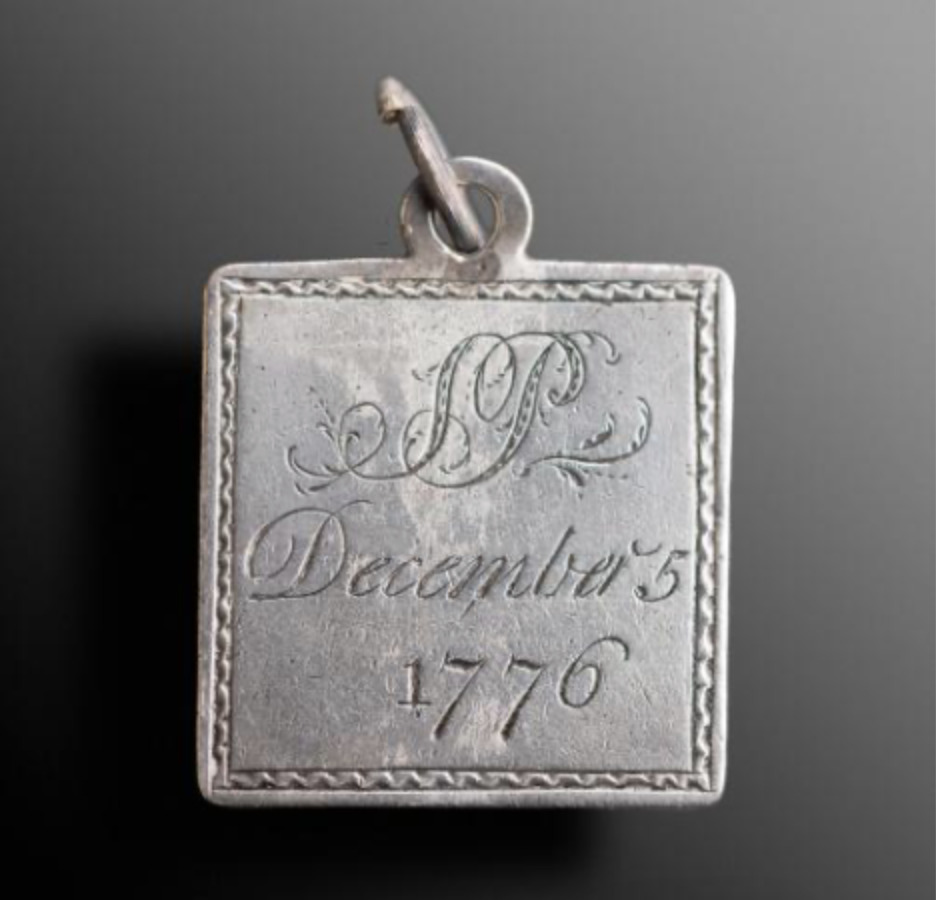
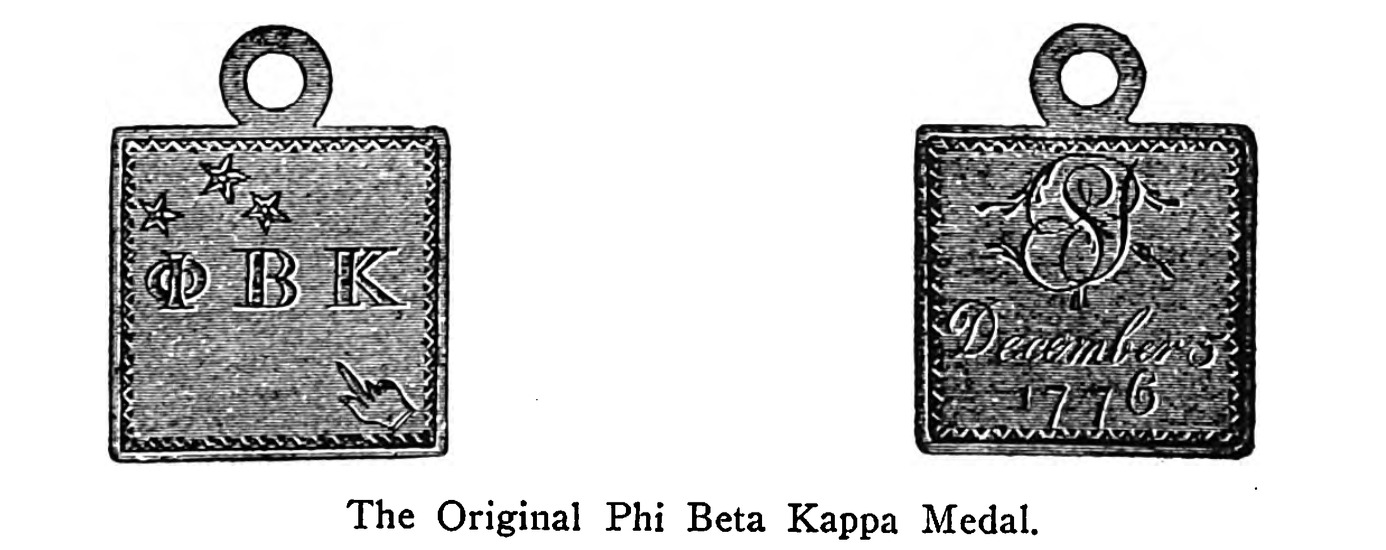
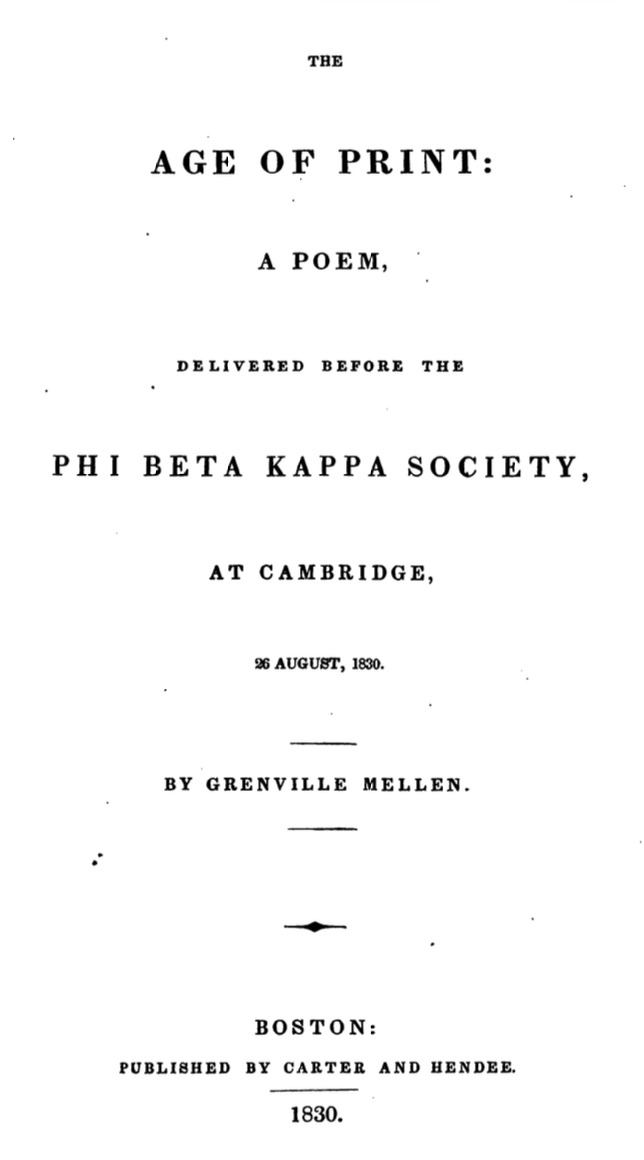
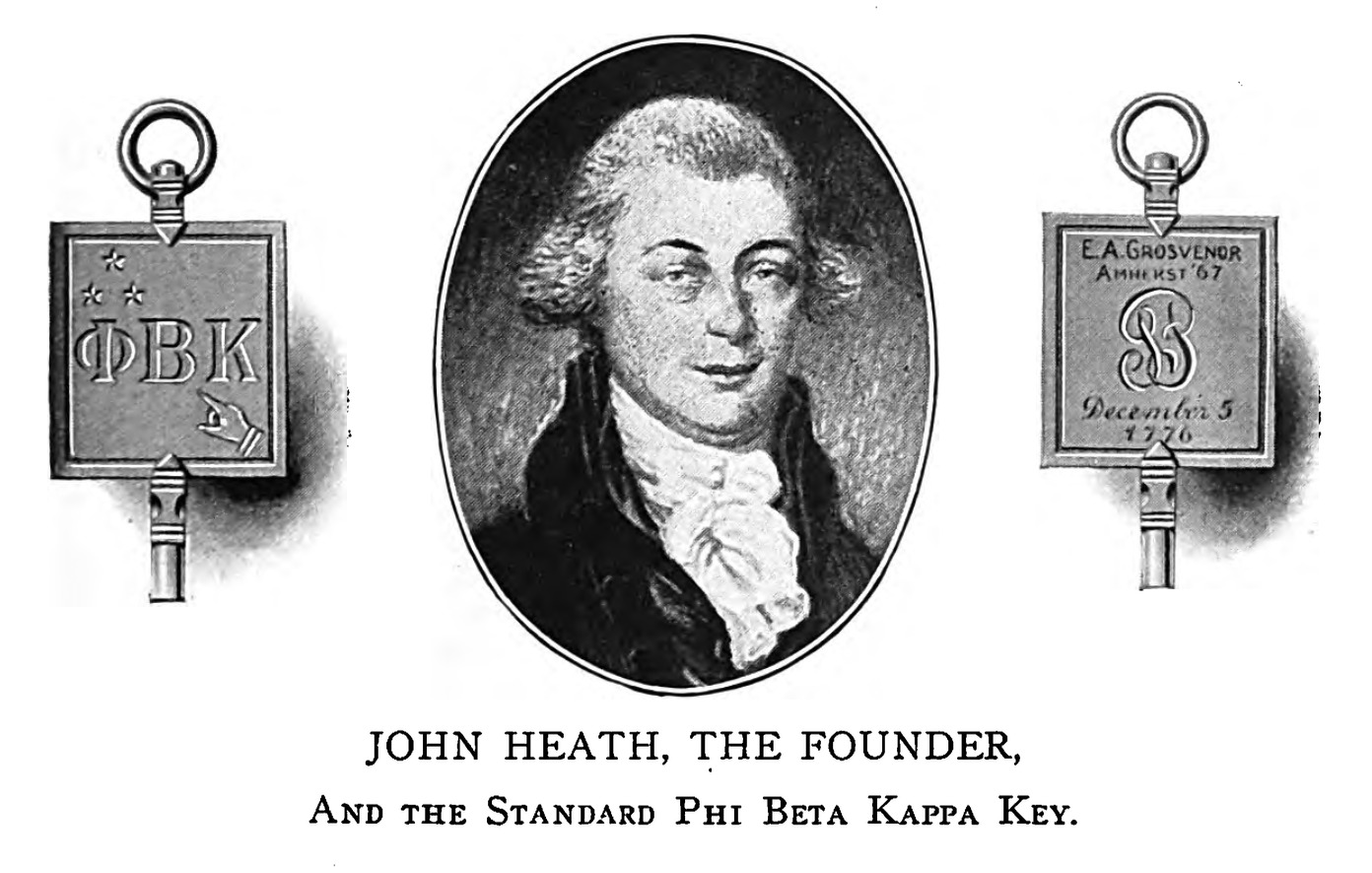
In 1776, the undergraduate founders of Phi Beta Kappa felt that secrecy was necessary to honing debate skills and forming opinions in a newly declared nation. As the American Revolution found success and the United States’ political culture matured, Phi Beta Kappa was transformed through challenges: student jealousies; breaches of secrecy; political crises; and printed accusations. Then came new opportunities through public orations, publications, and public annual meetings that coincided with commencements.
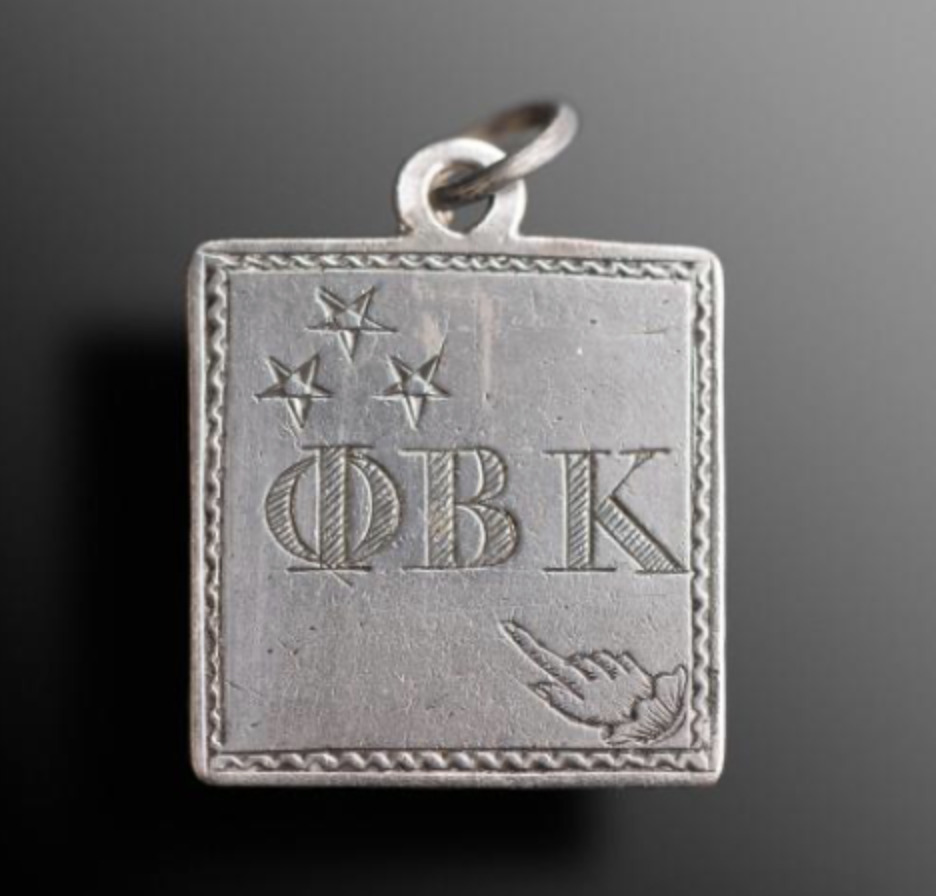
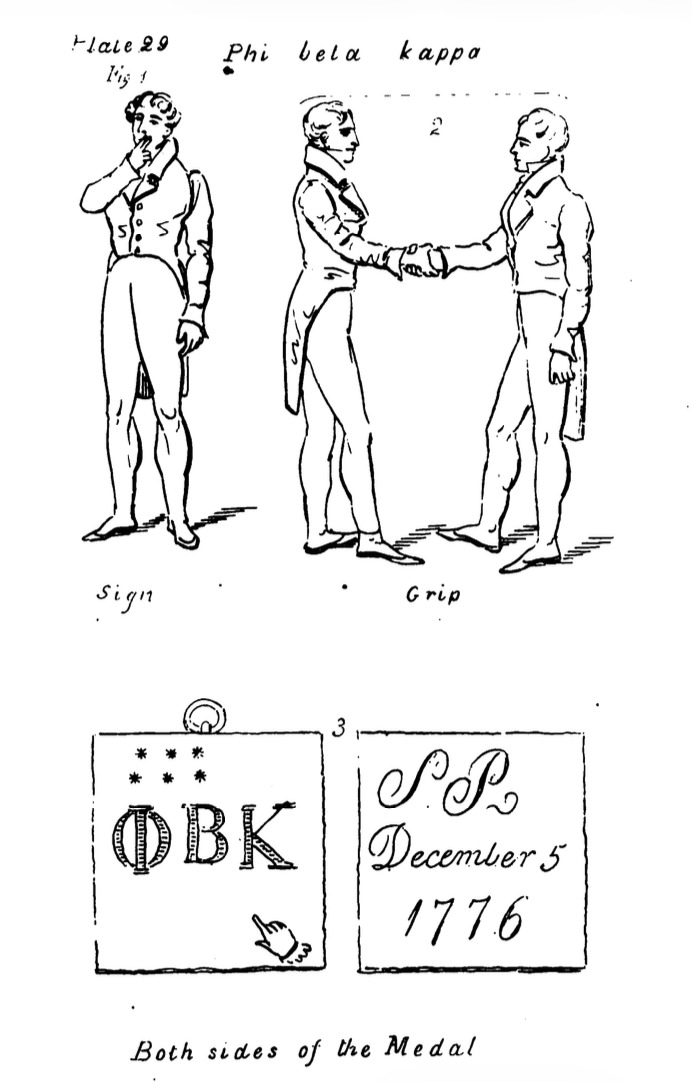
Critics such as Avery Allyn attempted to read insidious meanings and foreign intrigue into Phi Beta Kappa’s dates and symbols. But, by its fiftieth anniversary, Phi Beta Kappa had successfully rendered its signs symbolic, and made its reputation through the quality of its members. Phi Beta Kappa affirmed that eloquent reasoning—tested in private, in public, and shared generously through print—should indeed be the guide of life.
Further Reading:
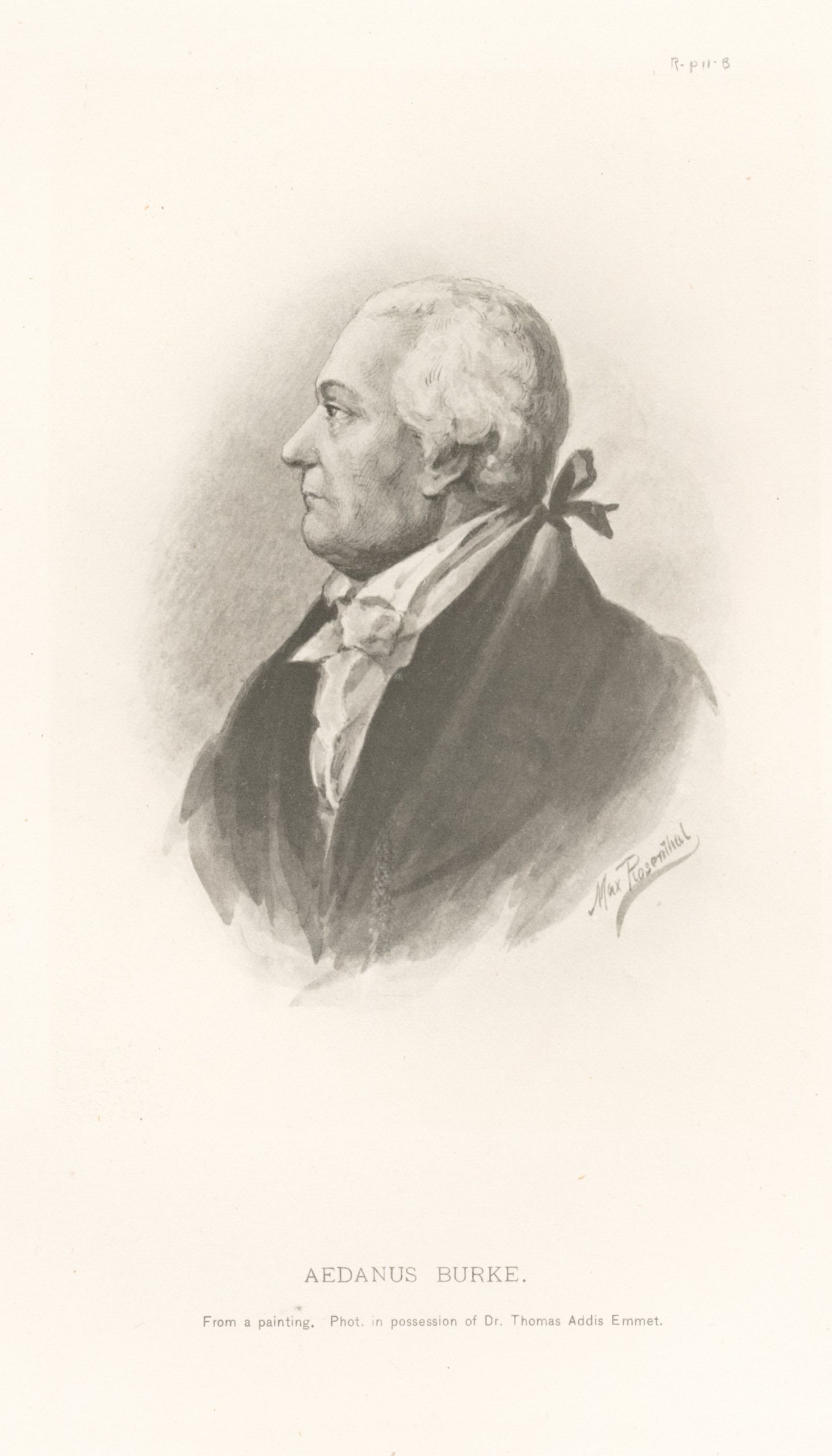
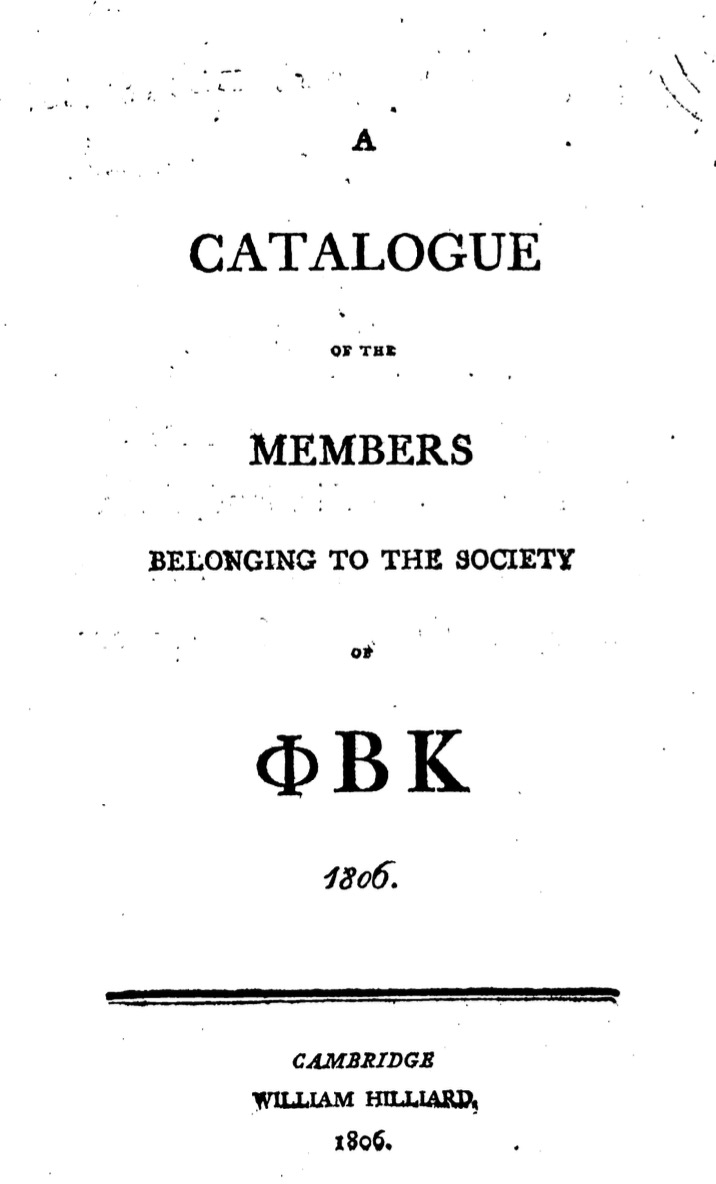
Key primary sources for this research include Records of the Phi Beta Kappa Alpha of Massachusetts and Harvard College Papers, 1st Series, both held in Harvard University Archives; John Quincy Adams’s Diary, https://founders.archives.gov/documents/Adams/03-02-02-0001-0008; Cassius [Aedanus Burke], Considerations on the Society or Order of Cincinnati […] Addressed to the People of South-Carolina, and their Representatives (Philadelphia: Printed and Sold by Robert Bell, 1783); Avery Allyn, A Ritual of Freemasonry: Illustrated by Numerous Engravings: With Notes and Remarks. To Which is Added a Key to the Phi Beta Kappa. (Boston: John Marsh and Co., 1831). Much of the early correspondence between chapters is reprinted in Catalogue of the Harvard Chapter of the Phi Beta Kappa: Alpha of Massachusetts, with the Constitution, the Charter, Extracts from the Records, Historical Documents, and Notes William Coolidge Lane, ed. (Cambridge, 1912); and printed Phi Beta Kappa orations.
Key secondary sources include David Waldstreicher and Stephen R. Grossbart, “Abraham Bishop’s Vocation; or, the Mediation of Jeffersonian Politics,” Journal of the Early Republic 18:4 (1998): 617-659; Richard Nelson Current, Phi Beta Kappa in American life: The First Two Hundred Years (New York: Oxford University Press, 1990); William T. Hastings, Phi Beta Kappa as a Secret Society: With its Relations to Freemasonry and Antimasonry (Washington, D. C.: United Chapters of Phi Beta Kappa, 1965); Oscar McMurtrie Voorhees, The History of Phi Beta Kappa (New York: Crown Publishers, 1945); Janice Lynn Fivehouse, “The History of the Alpha Chapter of Phi Beta Kappa,” (M.A. Thesis, College of William & Mary, 1968).
Conceptual approaches key to this essay benefited from Katlyn Marie Carter, “Denouncing Secrecy and Defining Democracy in the Early American Republic,” Journal of the Early Republic, Vol. 40, No. 3 (Fall 2020): 409-433; Margaret Sumner, Collegiate Republic: Cultivating an Ideal Society in Early America (Charlottesville: University of Virginia Press, 2014); Sandra Gustafson, Eloquence is Power: Oratory & Performance in Early America (Chapel Hill: University of North Carolina Press, 2000); David Waldstreicher, In the Midst of Perpetual Fetes: The Making of American Nationalism, 1776-1820 (Chapel Hill: University of North Carolina Press, 1997); John L. Brooke, “Ancient Lodges and Self-Created Societies: Voluntary Associations and the Public Sphere in the Early Republic,” in Launching the “Extended Republic”: The Federalist Era. R. Hoffman and P.J. Albert, eds. (Charlottesville: University Press of Virginia, 1996); Larzer Ziff, Writing in the New Nation: Prose, Print, and Politics in the Early United States (New Haven: Yale University Press, 1991); Michael Warner, The Letters of the Republic: Publication and the Public Sphere in Eighteenth-Century America (Cambridge, Mass.: Harvard University Press, 1990).
This article originally appeared in September 2026.
Adam Arenson is a historian in the Honors Program and affiliated faculty in the Institute for Thomas Paine Studies at Iona University. He thanks Emily Sneff, Joanne Freeman, Catherine Corman, and the Yale Early American History group. Learn more about his award-winning books and current research at adamarenson.com.
.jpg)

