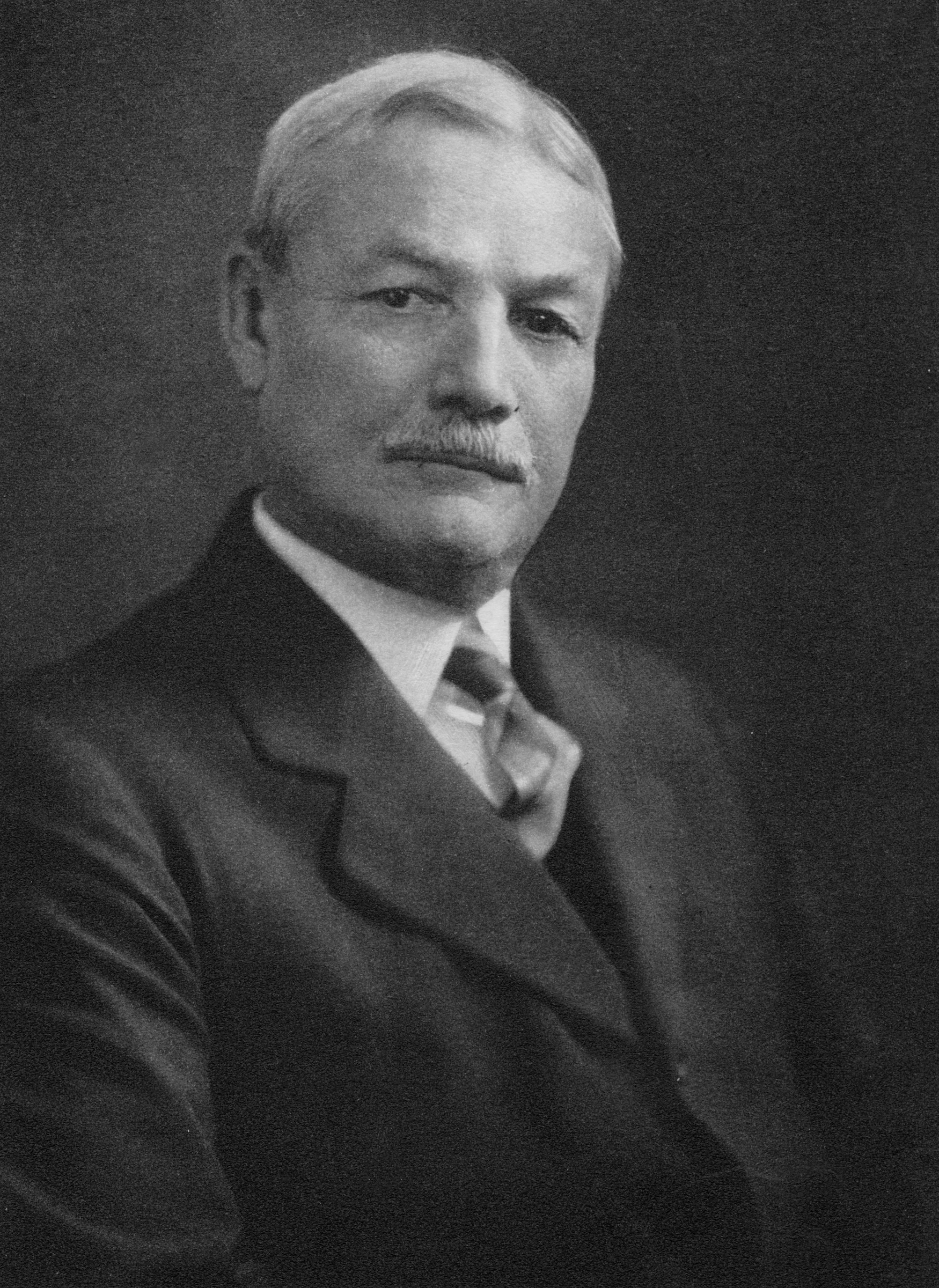
Carl Becker, in a paper entitled “What Are Historical Facts?” at the 1926 American Historical Association meeting, emphasized that it is up to historians to select, interpret, and present history. That is a very serious obligation. “The historian has to judge the significance of…events,” being as objective as possible, but acknowledging that while “the present is the product of the past,” the opposite is also true, “the past (our imagined picture of it) is the product of…the present. We build our conceptions of history partly out of our present needs and purposes.”
In the last chapter of his book The Colonial Background of the American Revolution, Charles M. Andrews also conveyed another message that reverberates today. He warned about “propogandists [who] find in our revolutionary movements precedents and parallels available for their arguments” even if that means “twisting, warping and perverting history.” He also cautioned about people who “study but part of the evidence and fail to see that there are two sides to the story; or else prefer the kind of history which glorifies their country’s past and deem it less than one hundred percent Americanism to dim in any way their country’s achievements.”
And he reminded us of why it is so important to keep studying the Revolution—and history generally.
A nation’s attitude toward its own history is like a window into its own soul and the men and women of such a nation cannot be expected to meet the great obligations of the present if they refuse to exhibit honesty, charity, open-mindedness, and a free and growing intelligence toward the past that has made them what they are.
Many years later, in 2002, historian John Lewis Gaddis in his book The Landscape of History: How Historians Map the Past, put it differently: “We know the future only by the past we project into it. History, in this sense, is…the only data base that we have.”
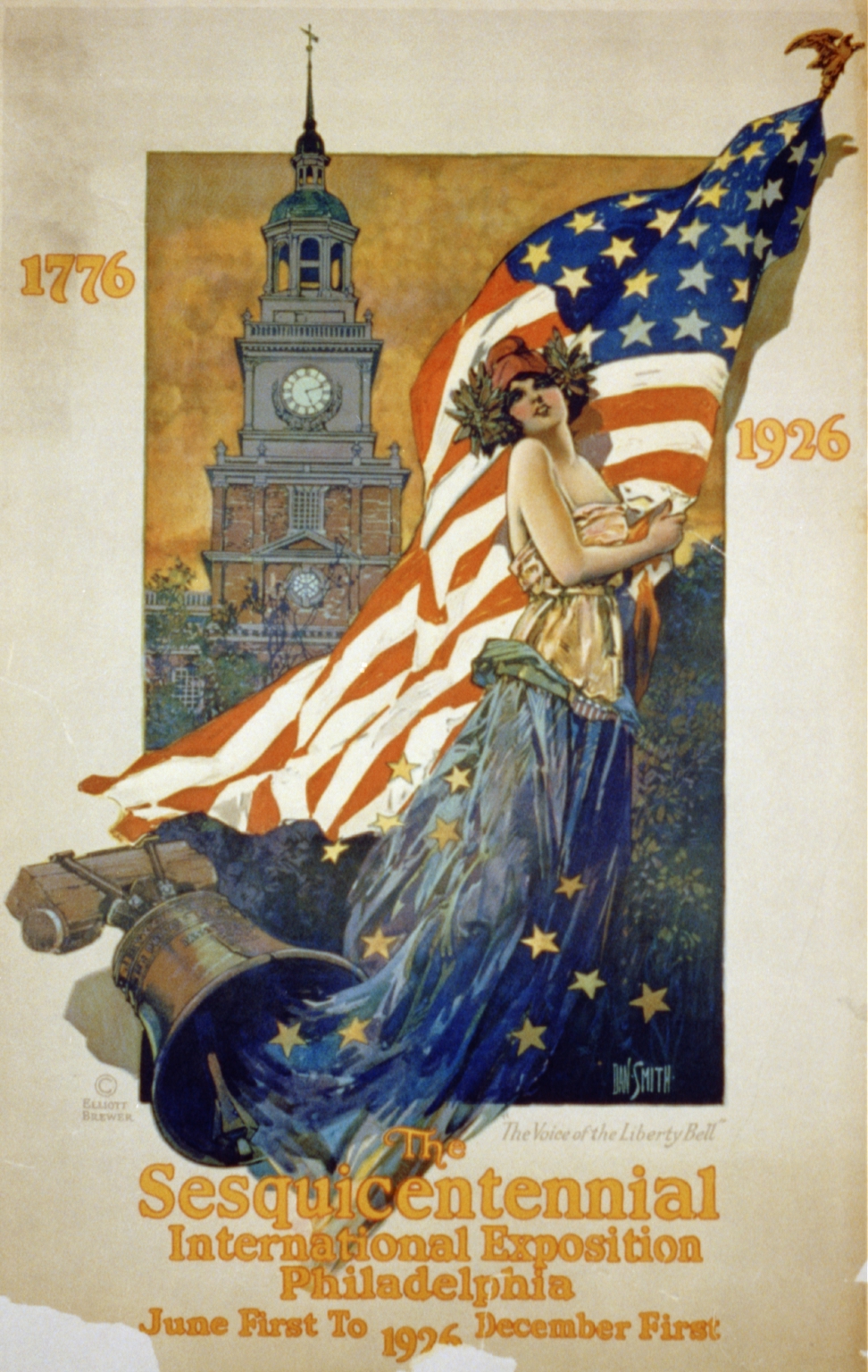
Those are good sentiments to keep in mind as we head into “America 250.” There is some apprehension in the history community that President Donald Trump may put his own interpretation on American history, including the Revolution, without much concern for historical scholarship and objectivity.
Historians today may have varying interpretations of what caused the Revolution, just as their predecessors did a century ago. But in these of the “America 250” commemorations, historians need to make sure that the public, in considering the meaning of the Revolution, draws on interpretations reflecting historical research and evidence and not interpretations designed to buttress current political positions.
Further Reading:
Charles M. Andrews, The Colonial Background of the American Revolution (Yale University Press, 1924).
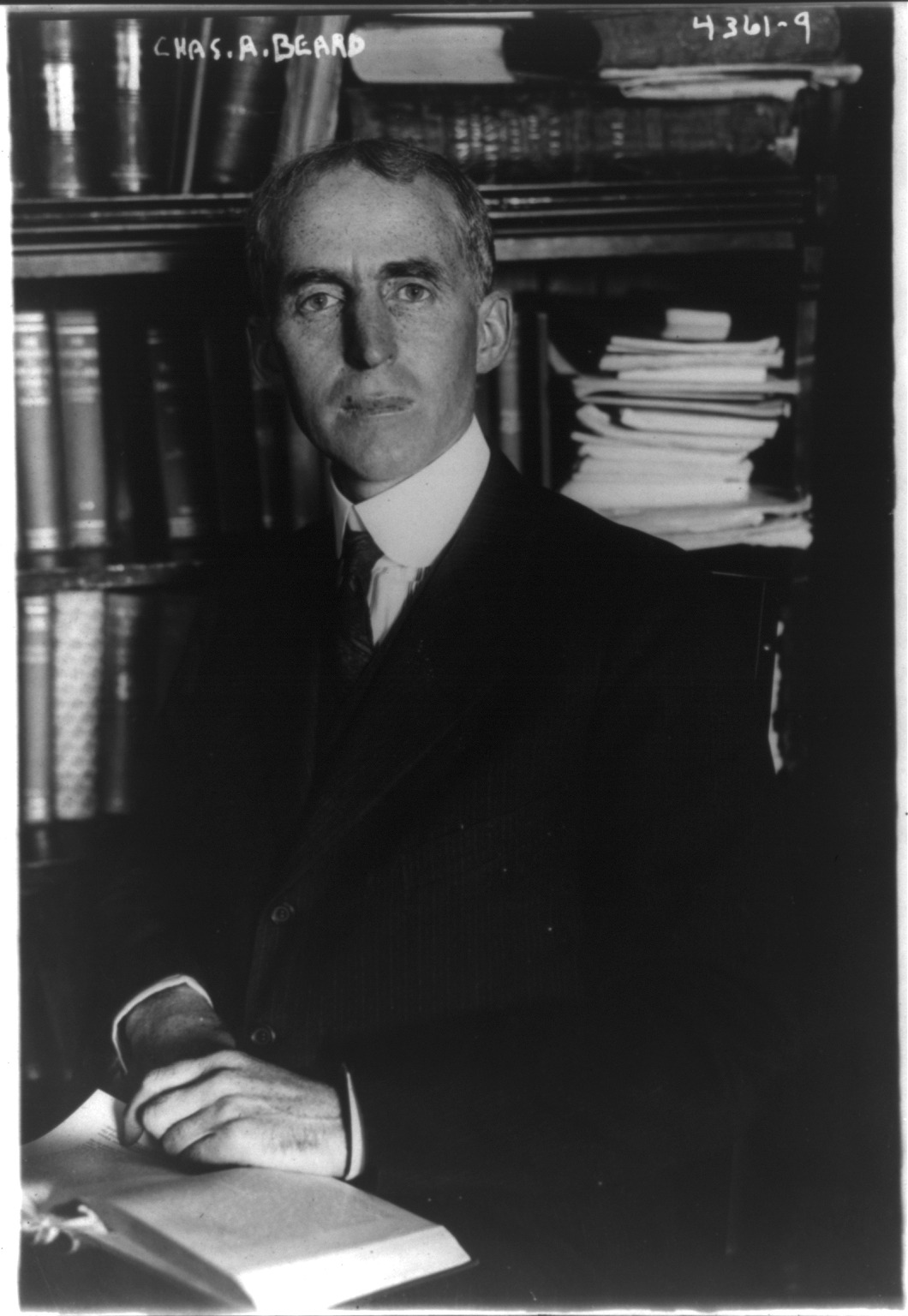
Charles A. Beard and Mary R. Beard, The Rise of American Civilization: Volume I, The Agricultural Era (Macmillan Company, 1927).
Carl Becker, The Declaration of Independence: A Study in the History of Political Ideas (Harcourt, Brace, and Co., 1922).
Carl Becker, “What are Historical Facts?,” Western Political Quarterly 8, number 3 (September, 1955), 327-340.
John Lewis Gaddis, The Landscape of History: How Historians Map the Past (Oxford University Press, 2004).
J. Franklin Jameson, The American Revolution Considered as a Social Movement (Princeton University Press, 1926).
Charles Howard McIlwain, The American Revolution: A Constitutional Interpretation (Macmillan, 1923).
James Harvey Robinson, The New History: Essays Illustrating the Modern Historical Outlook (Macmillan Company, 1912).
Arthur Schlesinger, “The American Revolution Reconsidered,” Political Science Quarterly 34, number 1 (March, 1919), 61-78.
Arthur Schlesinger, New Viewpoints in American History (Macmillan Company, 1922).
Claude H. Van Tyne, The Causes of the War of Independence (Houghton Mifflin Company, 1922).
C. Vann Woodward, Thinking Back: The Perils of Writing (LSU Press, 1987).
This article originally appeared in June 2026.
Bruce W. Dearstyne is a historian in Albany, New York. He holds a PhD in History from Syracuse University. He has taught history at SUNY Albany, SUNY Potsdam, and Russell Sage College and was a professor at the University of Maryland College of Information Studies. He is the author of several books on history, including The Spirit of New York: Defining Events in the Empire State’s History (2022) and the editor of Revolutionary New York: 250 Years of Social Change (2026).

,_by_John_Trumbull.jpg)
.jpg)