Professor Birgit Brander Rasmussen’s comments from this panel will appear, in a fuller form, in her review of Seasons of Misery, forthcoming in American Literary History in early 2015.
This article originally appeared in issue 15.2 (Winter, 2015).
Birgit Brander Rasmussen
Professor Birgit Brander Rasmussen’s comments from this panel will appear
Professor Birgit Brander Rasmussen’s comments from this panel will appear, in a fuller form, in her review of Seasons of Misery, forthcoming in American Literary History in early 2015.
This article originally appeared in issue 15.2 (Winter, 2015).
Carla Pestana
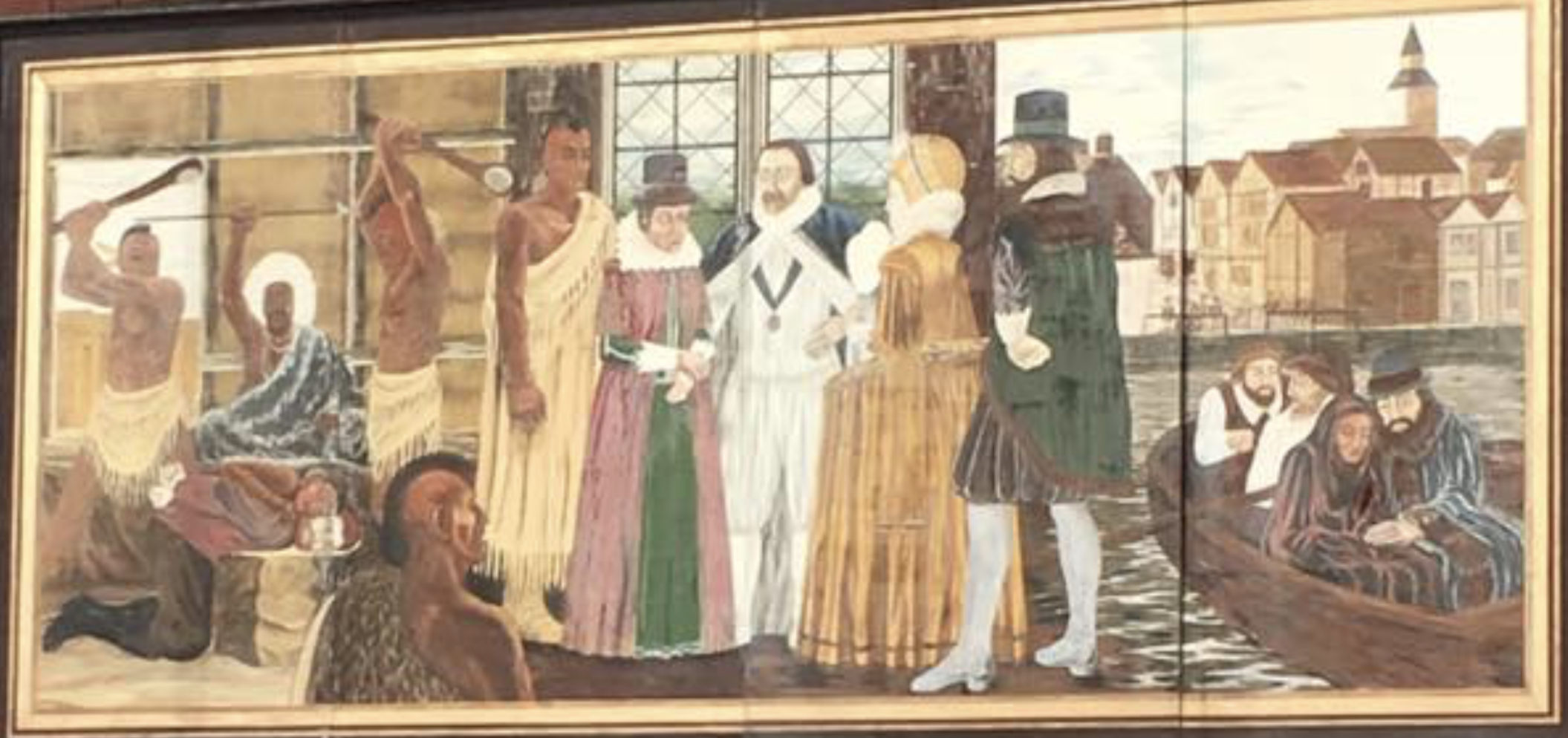
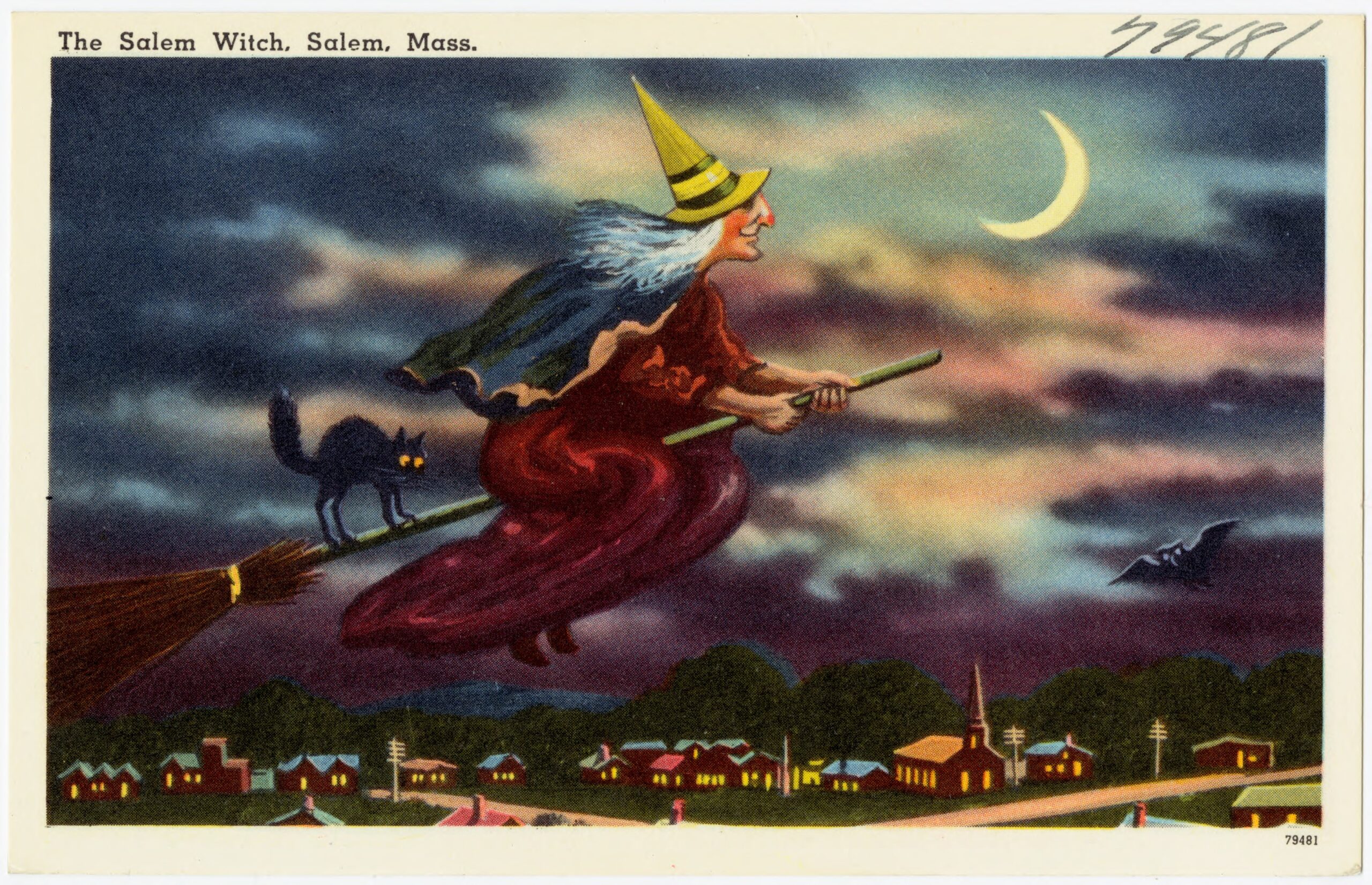
Such modest allusions to the colonial past were in the decided minority, however, swamped by the more generic Halloween ambience of the event.
Ariel Ron
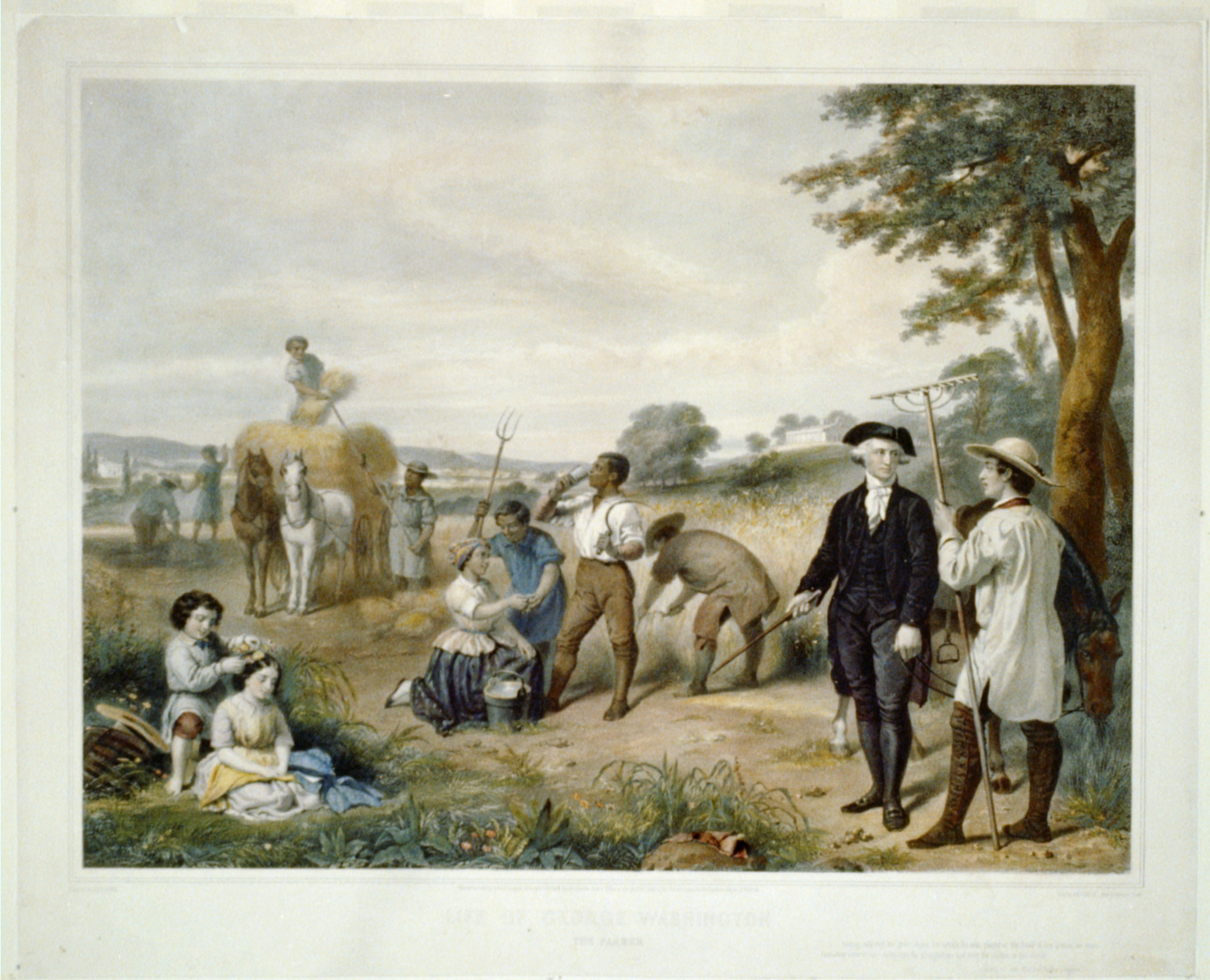
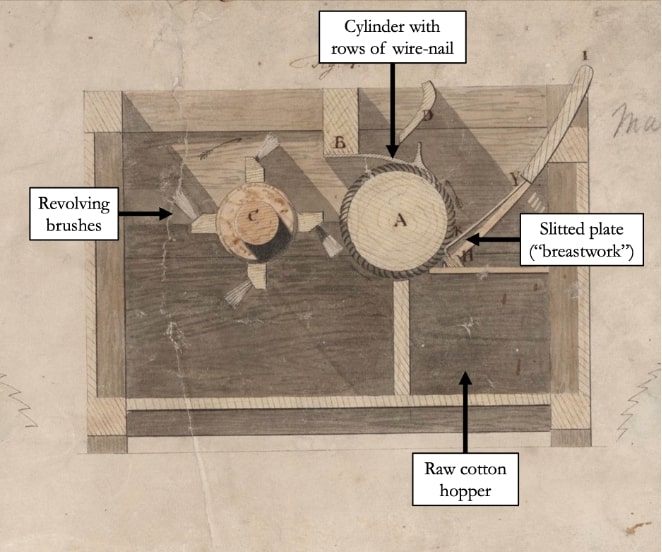
The real Whitney story is less grand than the legend, but more interesting and, ultimately, more edifying.
Jayne Ptolemy
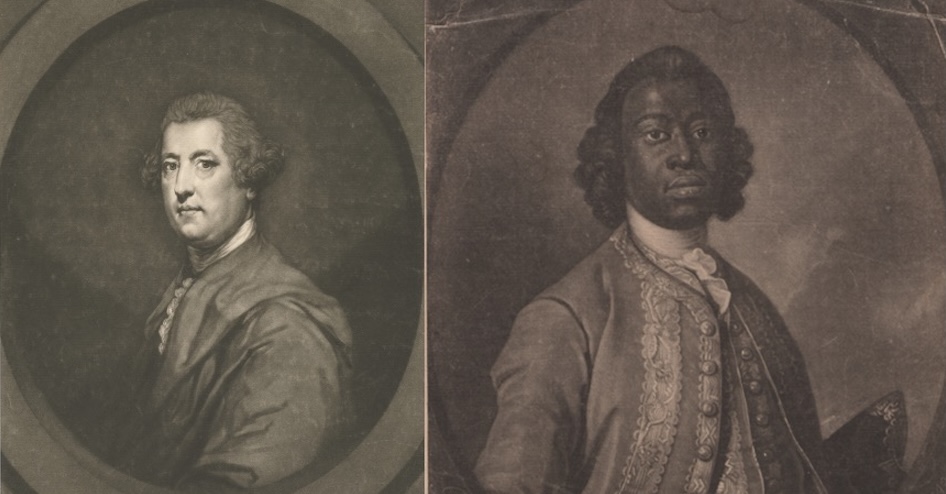
Because as it turns out, as much as this clutch of papers is about a specific story of Atlantic slavery it still absolutely relates to British finance and national politics.
Jeffrey D. Broxmeyer
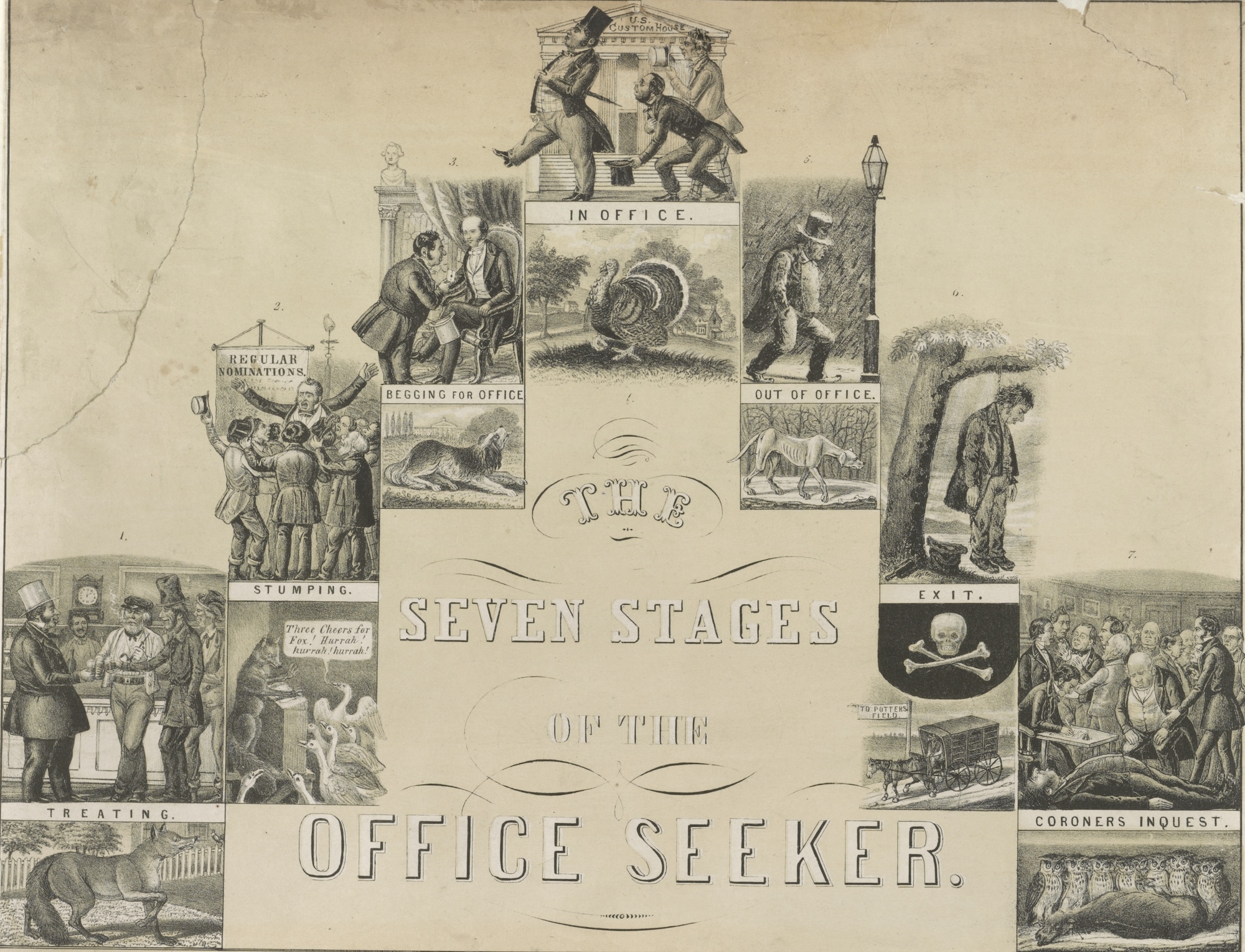
Ambitious office seekers during the nineteenth century experienced wild swings of fortune that depended on the public’s mood and party benevolence.
Leslie Brunetta
Howells makes it clear that Mary Lewis was interviewing them rather than the other way around.
Ryne Beddard
Sensitivity to the influence of BaKongo cosmology on Kongo Christianity provides useful context to that argument and can help us better understand the choices made by leaders of the rebellion.
Brian Fehler
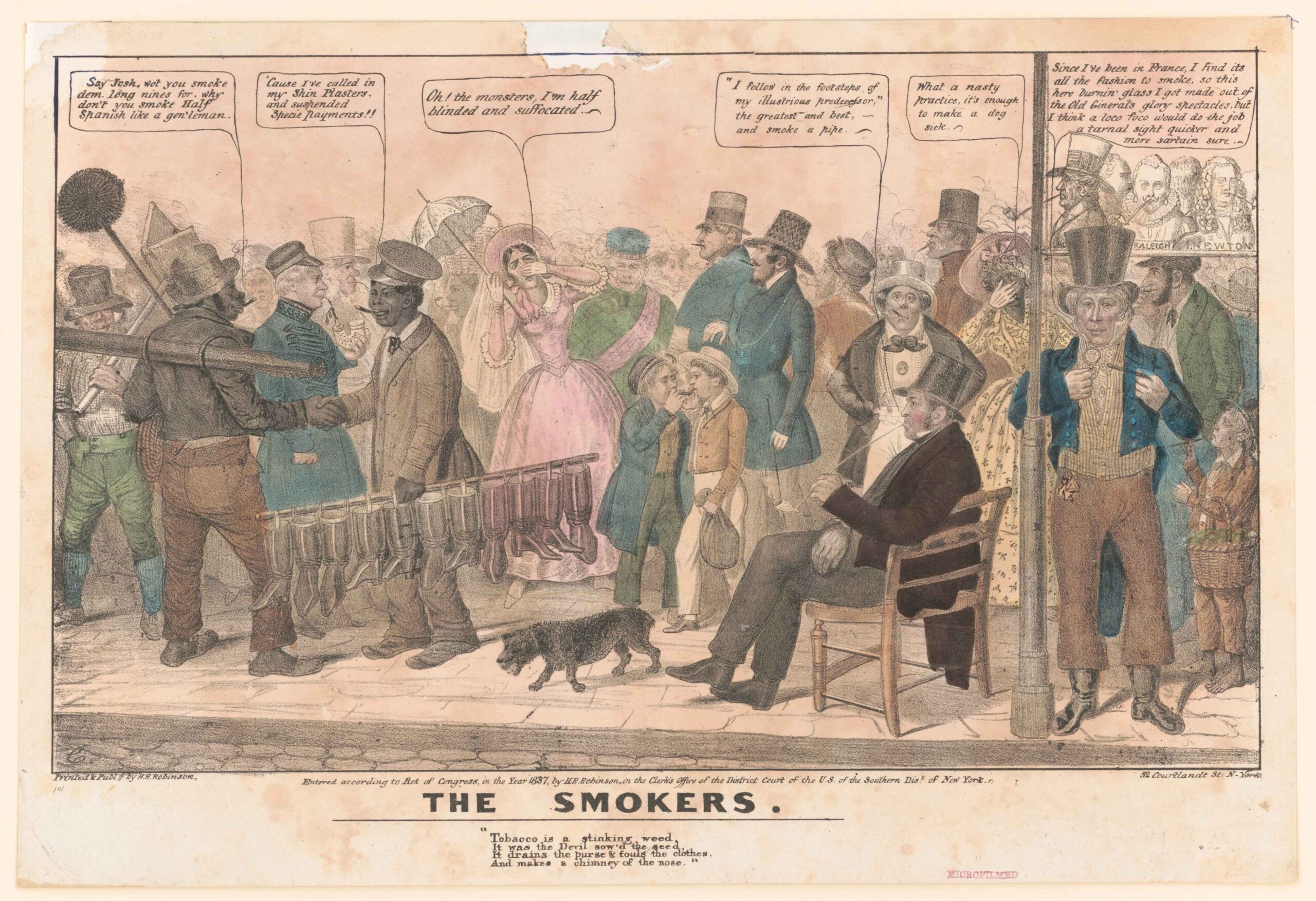
Reformers linked tobacco use to a deterioration of social and familial values, a habit that disrupted the sanctity of the home.
Ranmi Bae
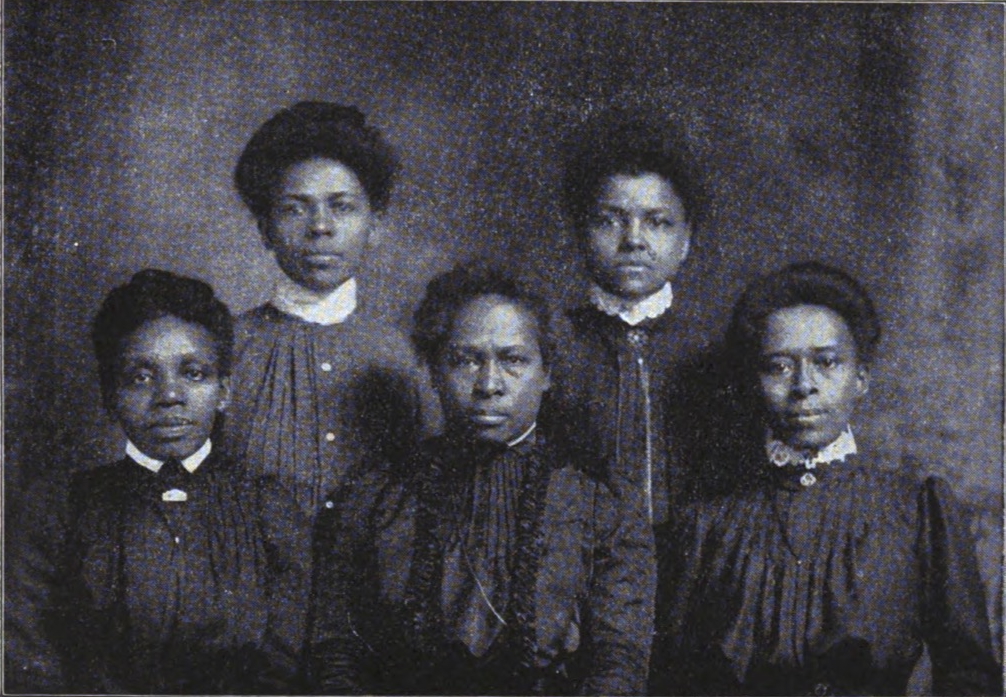
Broughton thus positioned Black women as central in nurturing leaders who advance the Black community, challenging the stereotype of Black women as merely a caring Mammy serving white masters
Walker Robins
Floyd’s unusual visibility gives rare insight into how the largely-invisible dragomen shaped travelers’ understandings of the Bible and their perceptions of the Holy Land.
Robert Parkinson
Circumstances in which people are feeling extreme disorientation are potent breeding grounds for people who are willing to exploit it to take advantage in moments of crisis.
Alexis Schmidt
In theory, starting the “rest” cure off with rest sounds good, ideal even, but sleep caused by lack of sustenance is not the same as healthy sleep that replenishes energy.
Olivia R. Scott
These individual biographies seek to foreground the experiences of all the individuals held in bondage by the Ashley family.
Joshua R. Greenberg
I have said in several venues that I never really know which articles will generate the most readers, so I feel that it is important for authors to not to lose their unique voice.
Isaac Kolding
History also changes because of strange, flawed, deeply human people doing unremarkable, tedious, and often boring work.
Robert F. Oaks
Though these gannenmono are often regarded as the first Japanese in Hawai’i, many of their countrymen had already visited the islands for at least sixty years, and probably much longer than that.
Carla Pestana
Ariel Ron
Jayne Ptolemy
Jeffrey D. Broxmeyer
Leslie Brunetta
Welcome to Commonplace, a destination for exploring and exchanging ideas about early American history and culture. A bit less formal than a scholarly journal, a bit more scholarly than a popular magazine, Commonplace speaks—and listens—to scholars, museum curators, teachers, hobbyists, and just about anyone interested in American history before 1900. It is for all sorts of people to read about all sorts of things relating to early American life—from architecture to literature, from politics to parlor manners. It’s a place to find insightful analysis of early American history as it is discussed in scholarly literature, as it manifests on the evening news, as it is curated in museums, big and small; as it is performed in documentary and dramatic films and as it shows up in everyday life.
In addition to critical evaluations of books and websites (Reviews) and poetic research and fiction (Creative Writing), our articles explore material and visual culture (Objects); pedagogy, the writing of literary scholarship, and the historian’s craft (Teach); and diverse aspects of America’s past and its many peoples (Learn). For more great content, check out our other projects, (Just Teach One) and (Just Teach One African American Print).
How to cite Commonplace articles:
Author, “Title of Article,” Commonplace: the journal of early American life, date accessed, URL.
Sophie White, “Trading Looks Race, Religion and Dress in French America,” Commonplace: the journal of early American life, accessed September 30, 2019, https://commonplace.online/article/trading-looks-race-religion-dress-french-america/
Joshua R. Greenberg, editor
If you are looking for a specific Commonplace article from the back catalog and do not see it, or if have any other questions, please contact us directly. Please follow us on Twitter @Commonplacejrnl or Facebook @commonplacejournal and thank you for your support.