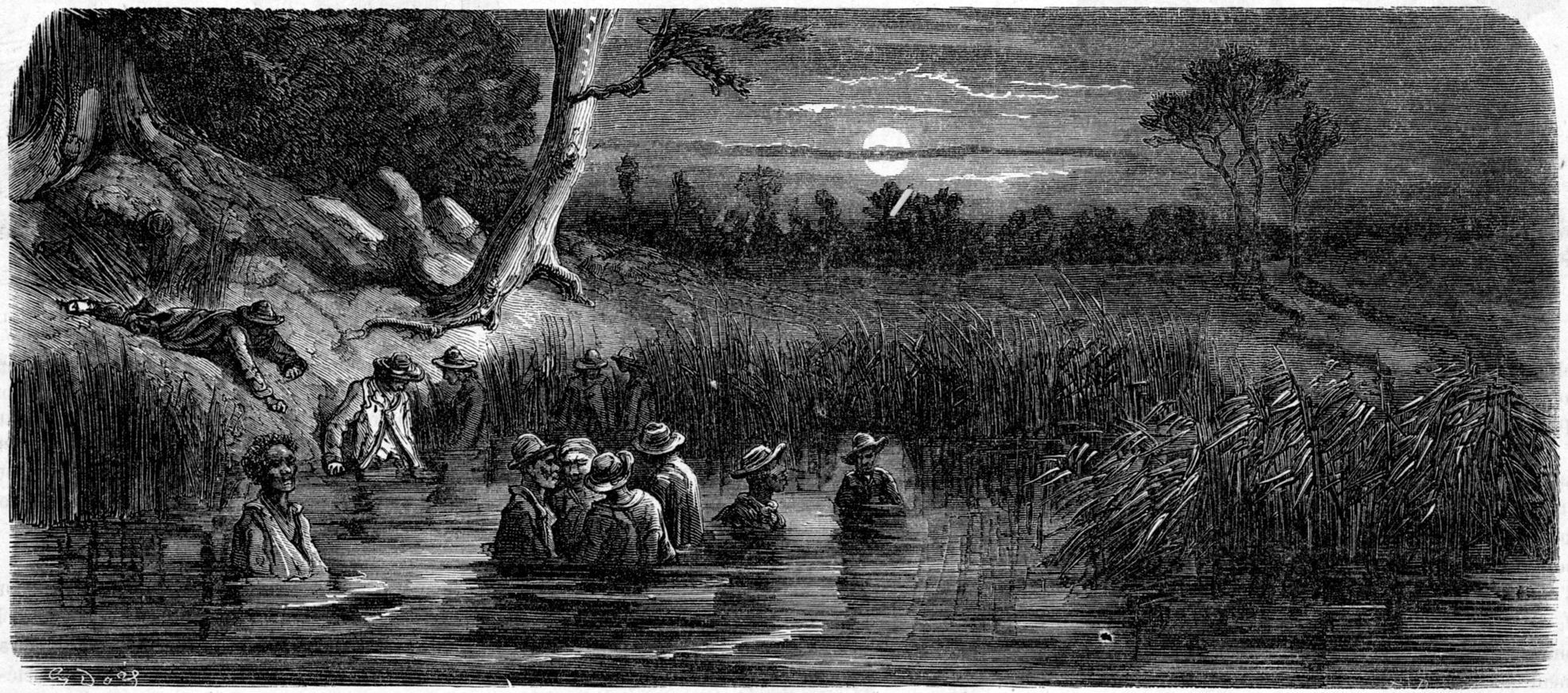
In 1792 Harry Washington joined nearly 1,200 Black Loyalists who migrated again, this time to Sierra Leone. He crossed the Atlantic once more, no longer imprisoned in chains below deck, but as a free passenger breathing free air. Influenced by British abolitionists such as Granville Sharp, the colony of Sierra Leone was envisioned as a site of Black autonomy. Yet tensions soon emerged between settlers and the Sierra Leone Company, which sought to impose centralized control and taxation.
In 1800 the settlers rebelled, demanding representation and resisting what they perceived as unjust exploitation. Harry Washington participated in the uprising. The revolt was ultimately suppressed, and its leaders were executed or banished. Harry was exiled into the African interior and there the record ends.
Harry Washington’s freedom had been seized, defended, and contested across multiple Atlantic frontiers. Unlike Lee’s, it was not bestowed but taken. Yet Harry was reminded time and again that his freedom remained precarious, subject to imperial structures and colonial powers.
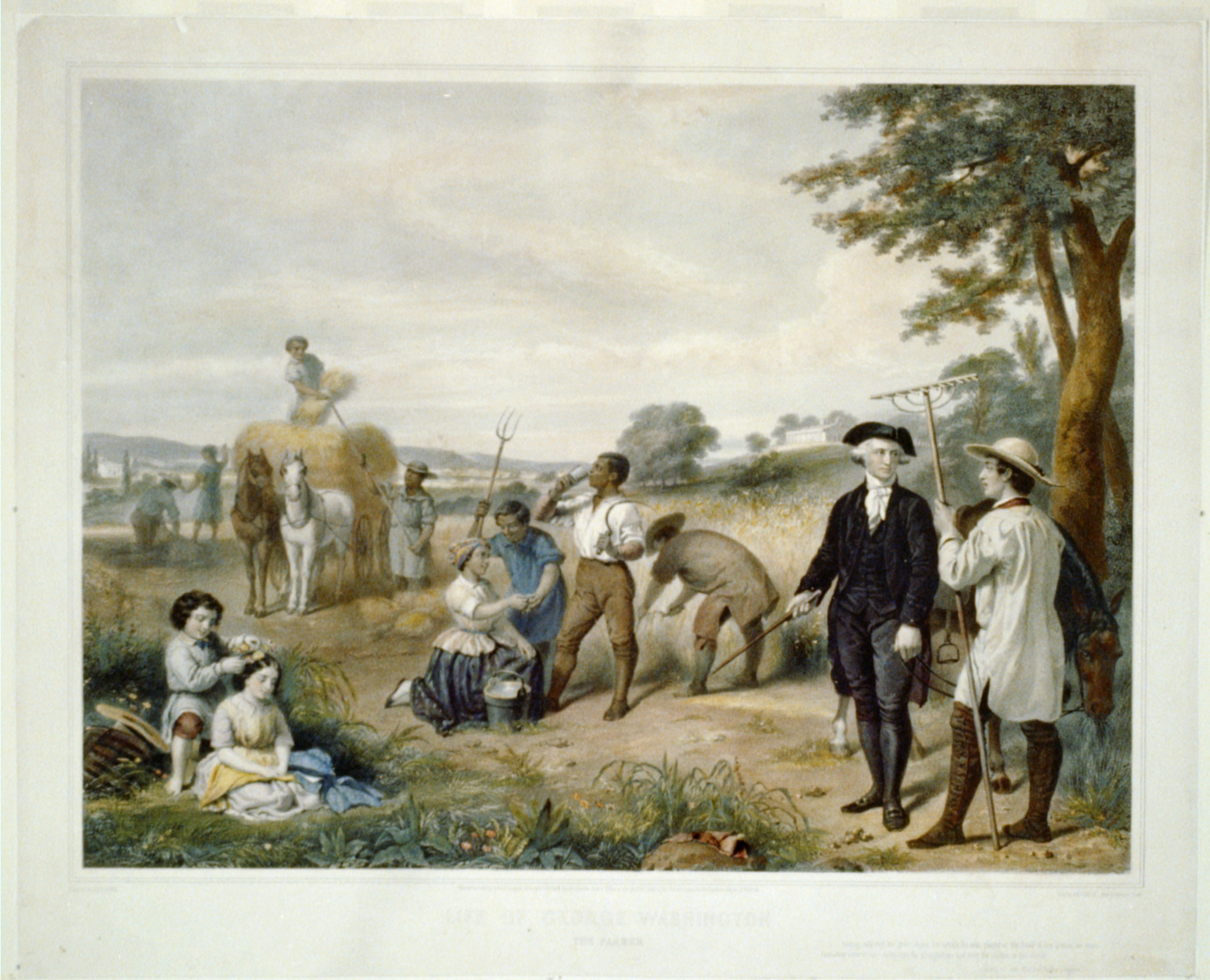
Placing William Lee beside Harry Washington also brings George Washington’s own evolution into sharper focus. Historians have debated the sources of Washington’s gradual discomfort with slavery, variously emphasizing Enlightenment ideology, economic calculation, or Revolutionary rhetoric. Yet ideas alone rarely produce moral transformation. Lived experience matters.
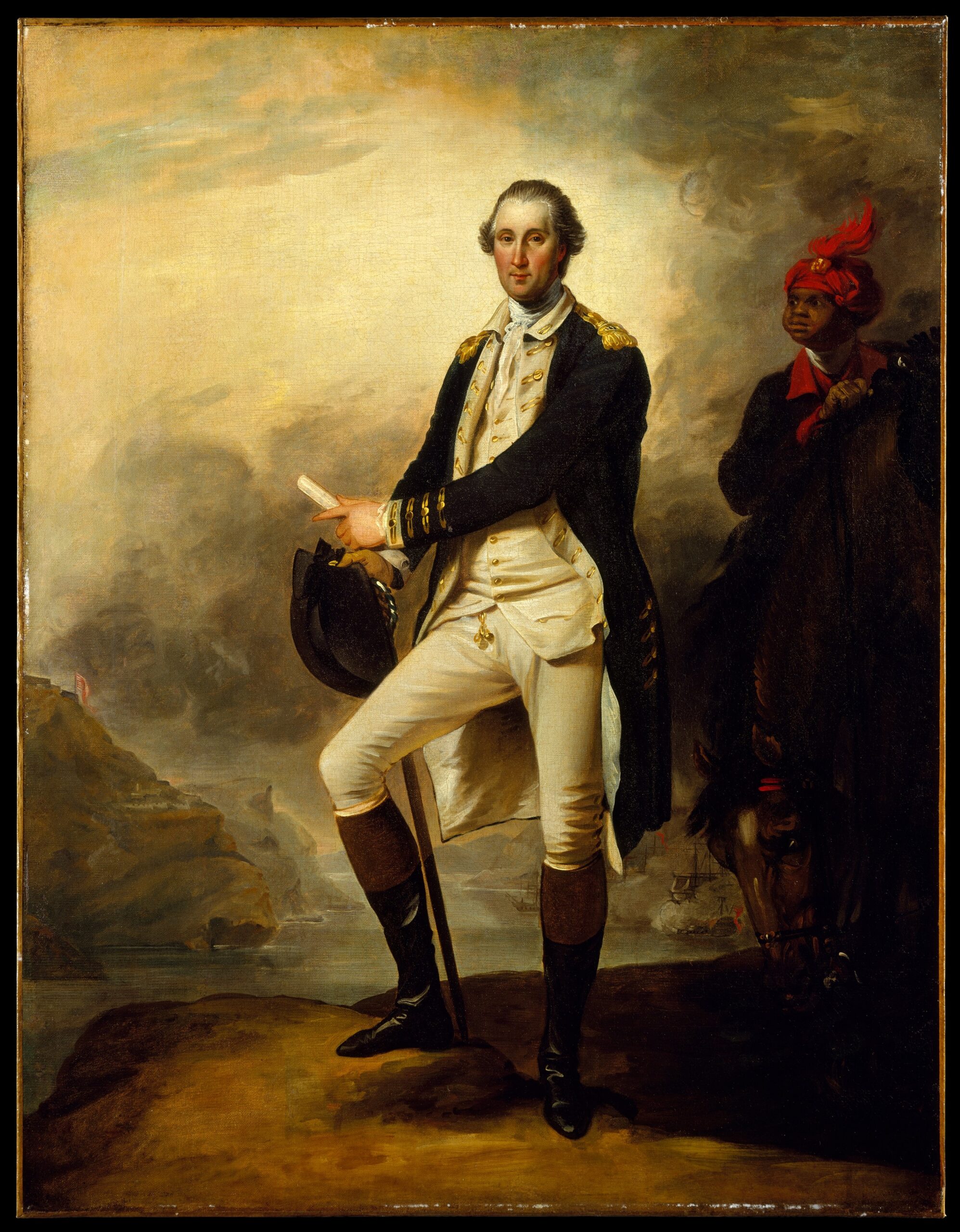
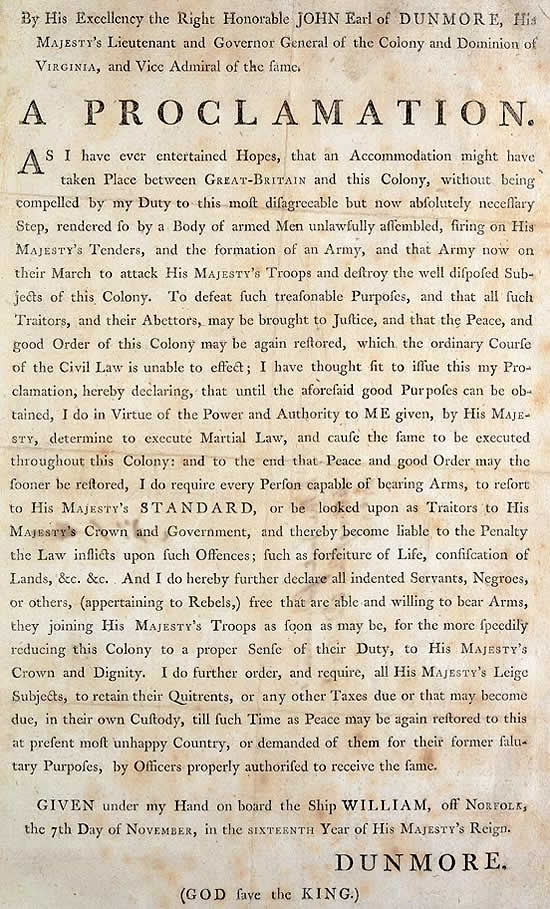
For eight continuous years, Washington lived in close proximity to Black men who embodied the Revolution’s contradictions. He depended upon William Lee daily. He witnessed Black soldiers serving in northern regiments. He saw enslaved people use wartime upheaval to renegotiate status. He experienced firsthand the instability that Dunmore’s proclamation unleashed among slaveholders.
Washington’s correspondence in the postwar years reveals a growing unease with slavery and a reluctance to buy or sell enslaved people. His will ultimately provided for the emancipation of those he legally owned. This evolution did not represent a public denunciation, nor did it extend to the dower slaves legally tied to Martha Washington’s estate. Yet it was also unprecedented: alone among Virginia’s principal founders, Washington provided in his will for the emancipation of all the enslaved people he legally owned.
Washington’s late-life manumission provisions should not be mistaken for a complete conversion. His pursuit of Ona Judge after her escape reveals the limits of his growing unease with slavery and the persistence of his belief in mastery, property, and household authority. The same man who could contemplate emancipation, and eventually provide for the freedom of those he legally owned, still acted to recover a woman who had claimed freedom for herself. That contradiction is essential: Washington’s change was real, but partial; morally significant but bounded by the habits and legal assumptions of a slaveholder.
Lee’s constant presence alone may not explain Washington’s change. But proximity to capable, disciplined Black men within the crucible of war challenged his inherited assumptions. Washington and Lee were not simply thinking abstractly about liberty; they were living inside its paradox.
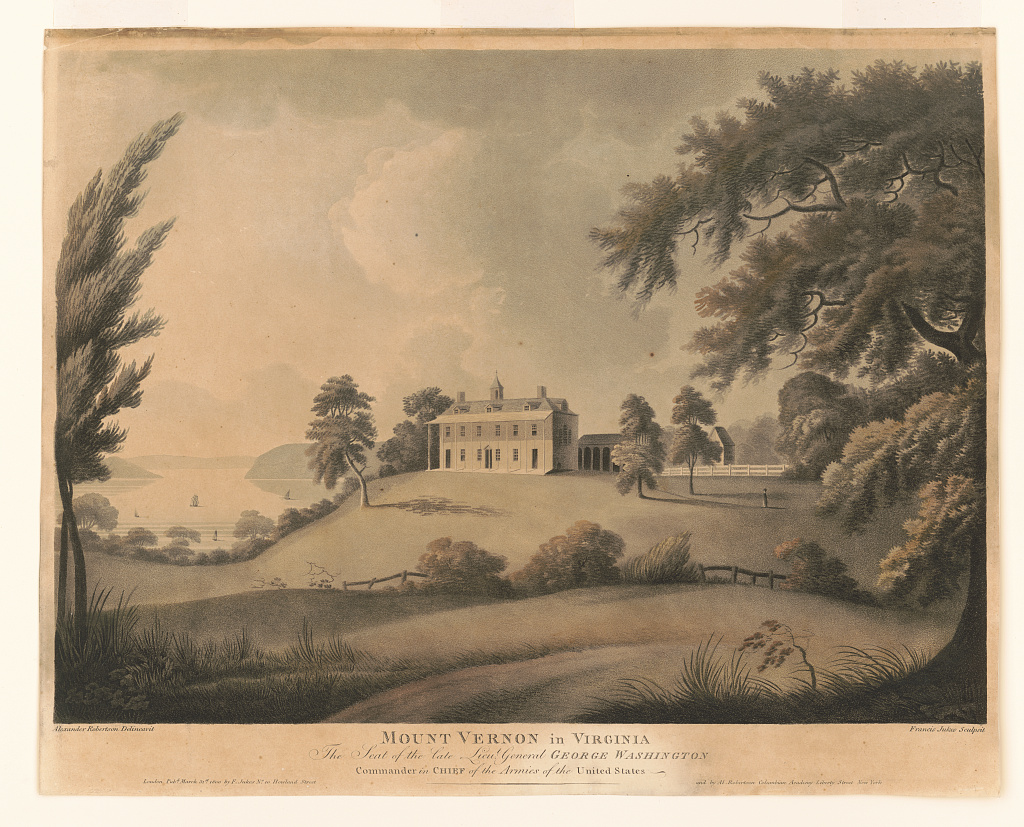
When Lee petitioned Washington in 1786 to bring his new wife, Margaret Thomas Lee from Philadelphia to Mount Vernon, Washington could not refuse. He wrote to his agent Clement Biddle to find and arrange transportation for her “as he has lived with me so long and followed my fortunes through the War with fidility [sic”]. In his 1799 will, Washington granted Lee immediate freedom—the only enslaved person to be emancipated outright—and provided him with a lifetime pension “as a testimony of my sense of his attachment to me, and for his faithful services during the Revolutionary War.” Washington’s recognition of Lee, forged from decades of daily contact, perhaps most clearly exposed the moral dissonance of slavery in the very man who embodied the cause of liberty.
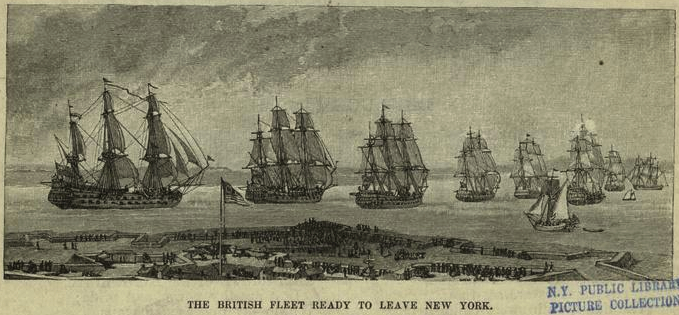
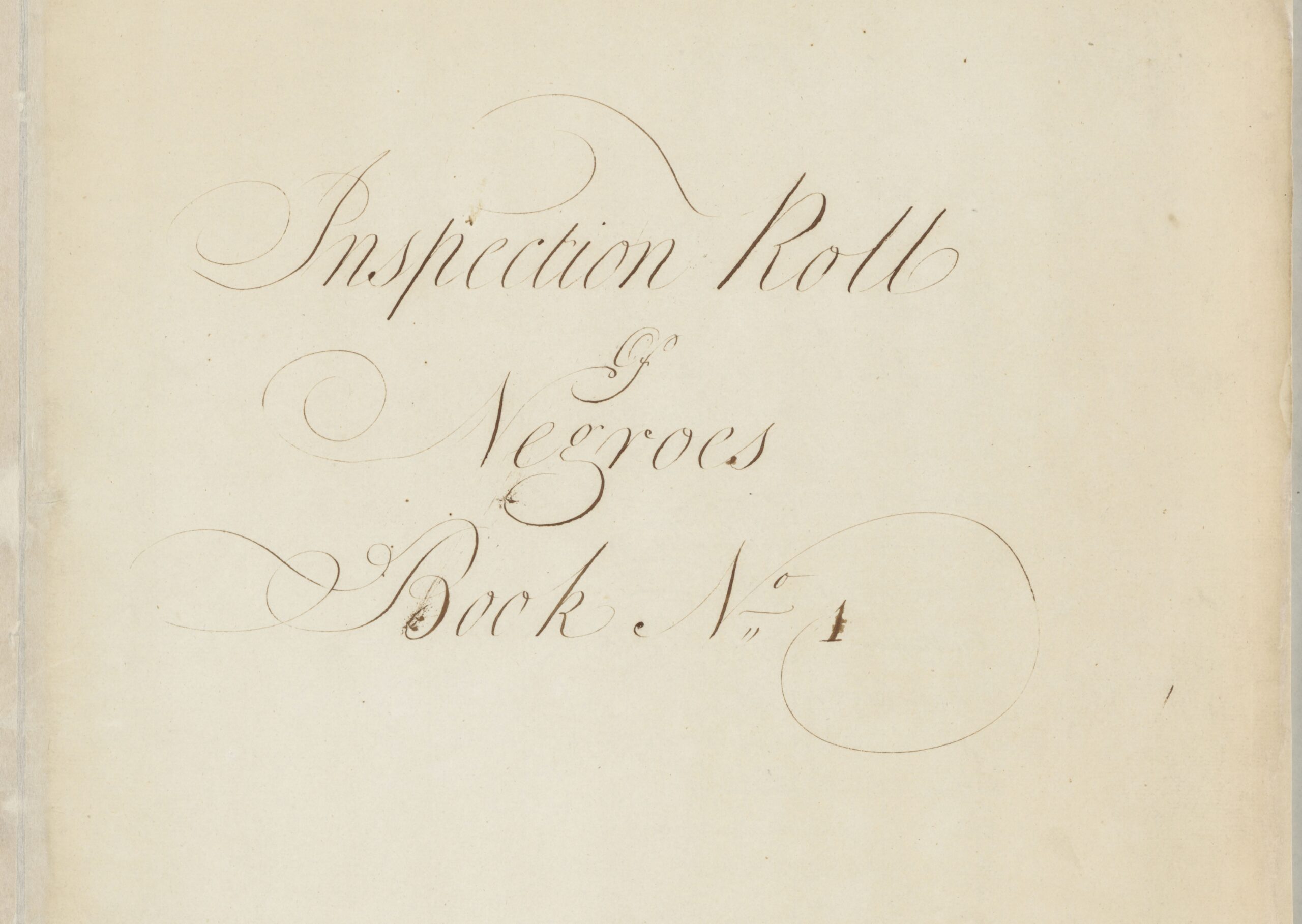
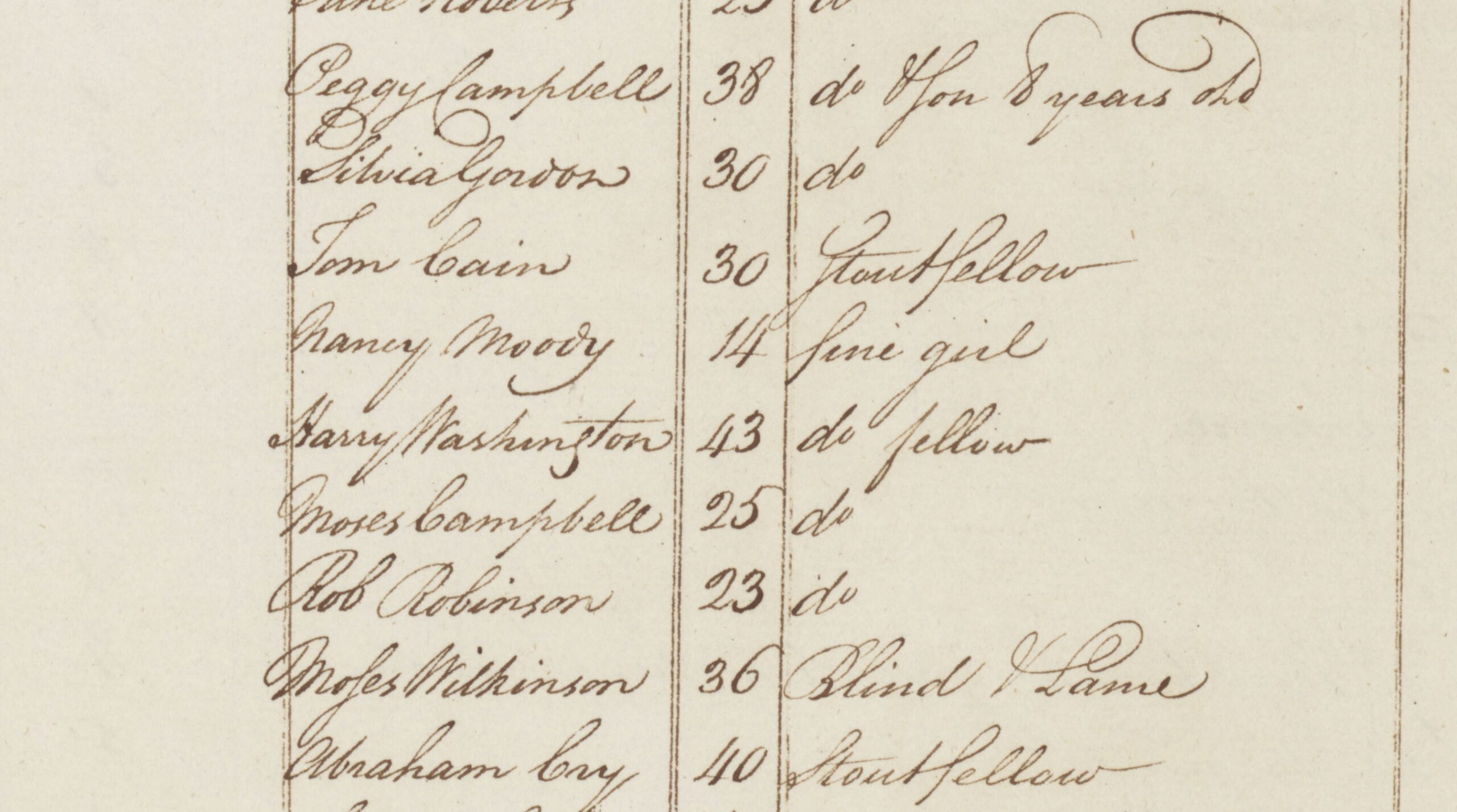
Harry Washington’s self-emancipation similarly illuminated the paradoxes of the American Revolution and Washington’s role in it. Washington protested the British evacuation of formerly enslaved people as a theft of property. Yet the very existence of the Book of Negroes documented the capacity of enslaved individuals to claim liberty as human beings worthy of imperial protection. He was thus compelled to confront both the loyalty of one enslaved man and the flight of another.
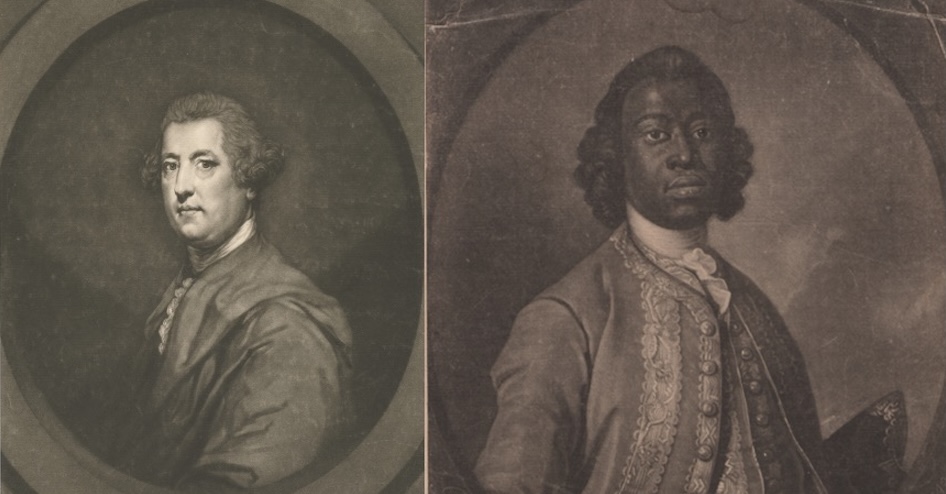
By 1800, the fortunes of the three men could scarcely have been more different. George Washington was dead. William Lee remained at Mount Vernon on an annuity, his later years marked by lasting injuries and declining mobility. Harry Washington was free but exiled, banished from Sierra Leone’s coastal settlement. Their lives show that the American Revolution did not produce a singlepath to emancipation. Enslaved people pursued freedom differently, according to their circumstances, experiences and opportunities.
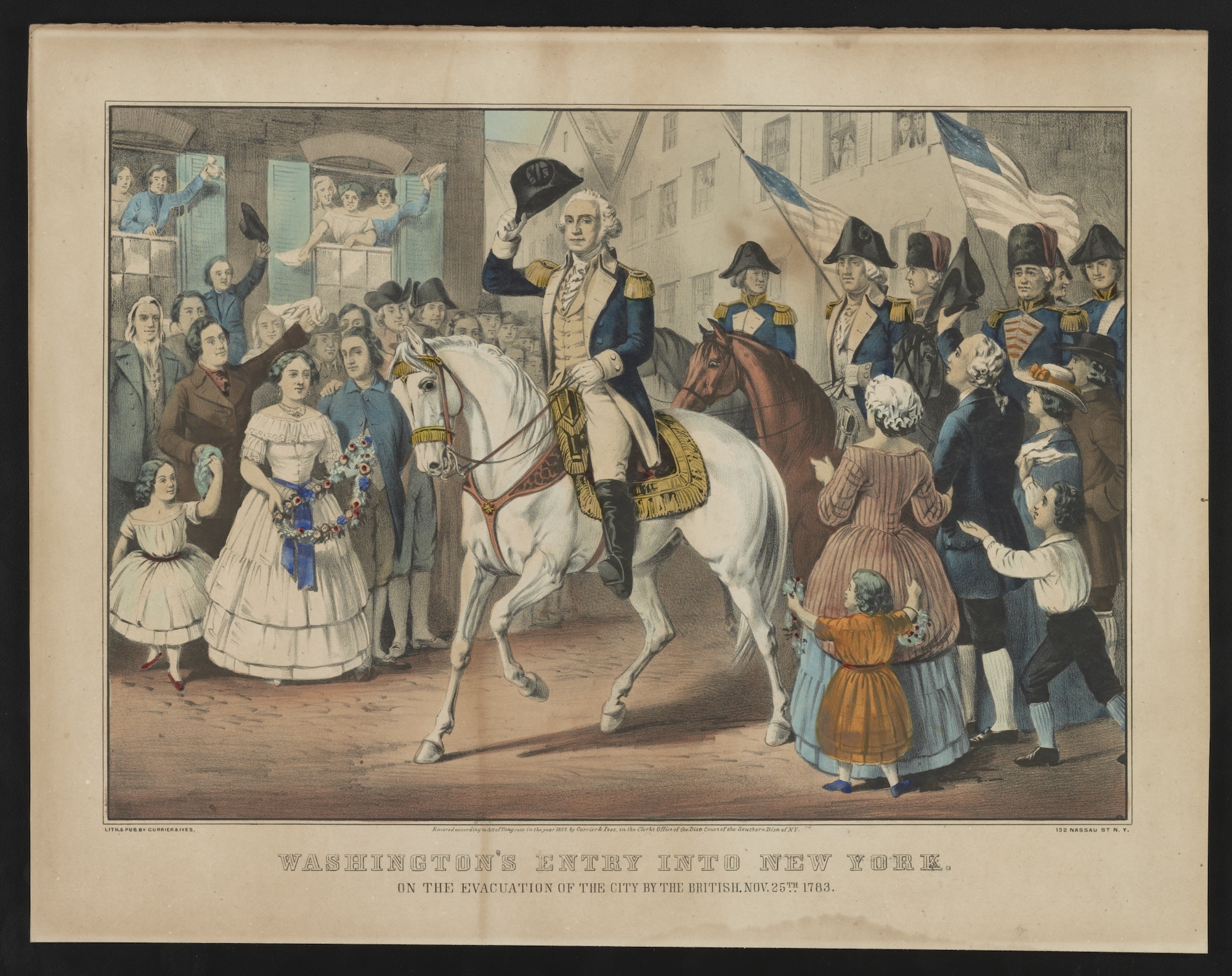
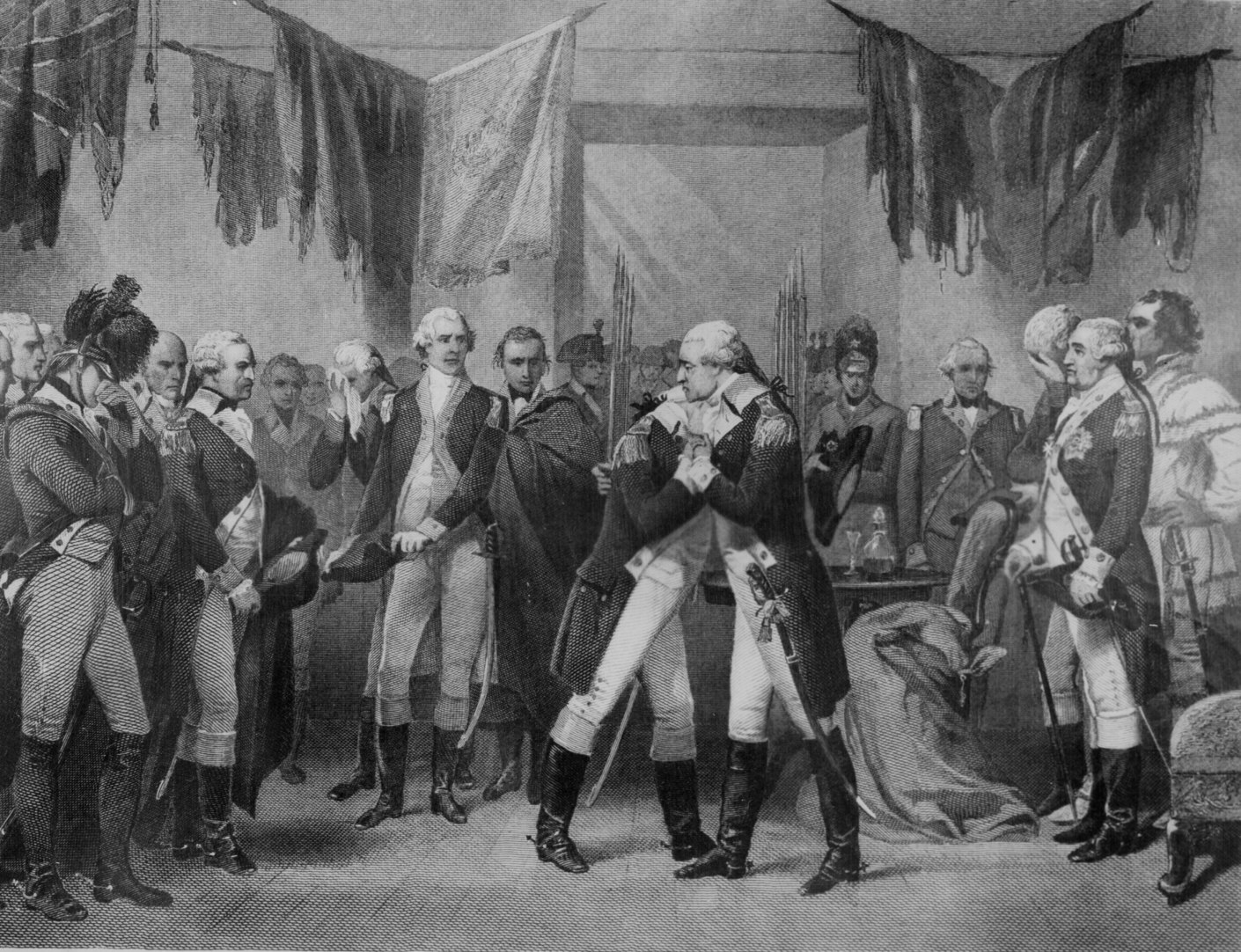
New York in November 1783 was a symbolic crossroads of these divergent paths. Washington famously bid his officers farewell at Fraunces Tavern, where British officials had earlier recorded Black Loyalists in the Book of Negroes. William Lee had accompanied Washington to the tavern many times. Harry Washington secured his documented freedom there before departing.