


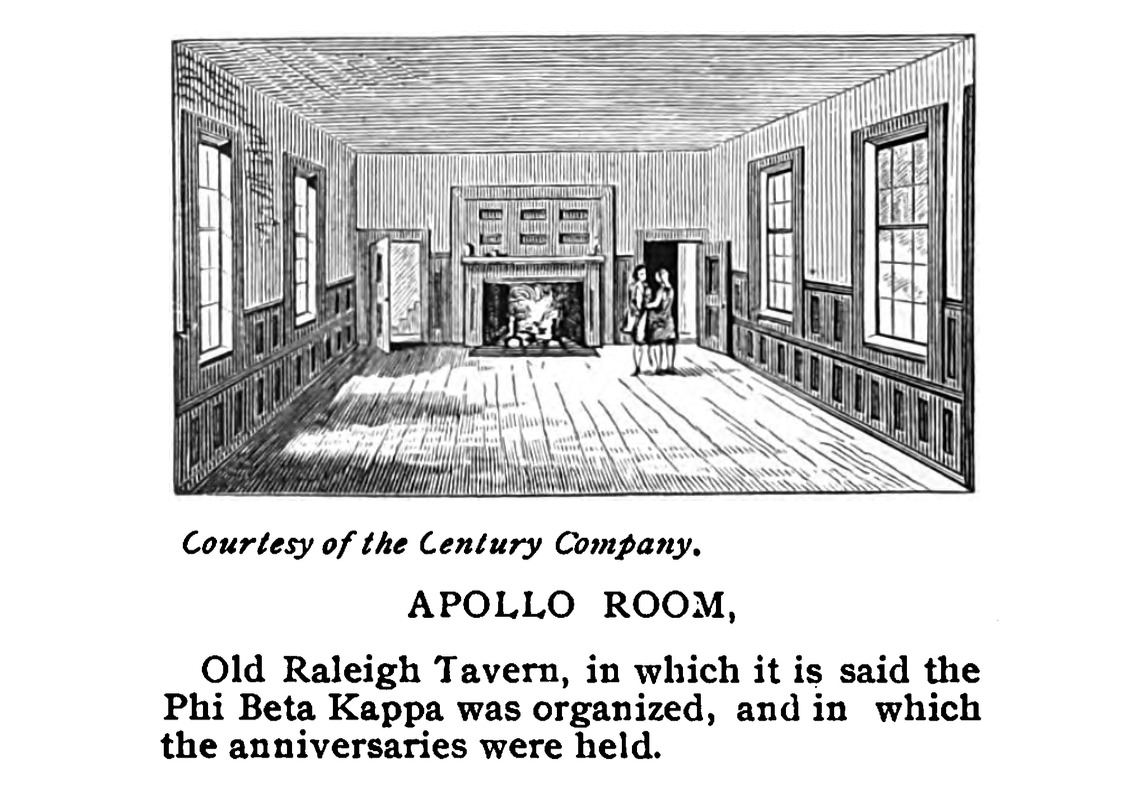
On December 5, 1776, five students from the College of William & Mary slipped into Raleigh Tavern to create a new society. Meeting privately, the students imagined a way to speak freely about ideas while the American War of Independence, then in its second year, forced caution in public. This was an opportunity for intellectual challenge unavailable in their classes, which were often taught using rote recitations of Biblical and classical passages. And, like the members of other secret clubs on their campus, they pledged their loyalty through guarded rituals: passwords, handshakes, and a distinctive knock.
Secret Loyalty and Public Respectability: The Transformation of Phi Beta Kappa in its First Half-Century
Secrecy itself seemed at odds with republican values, and liable to shield corruption or treason.
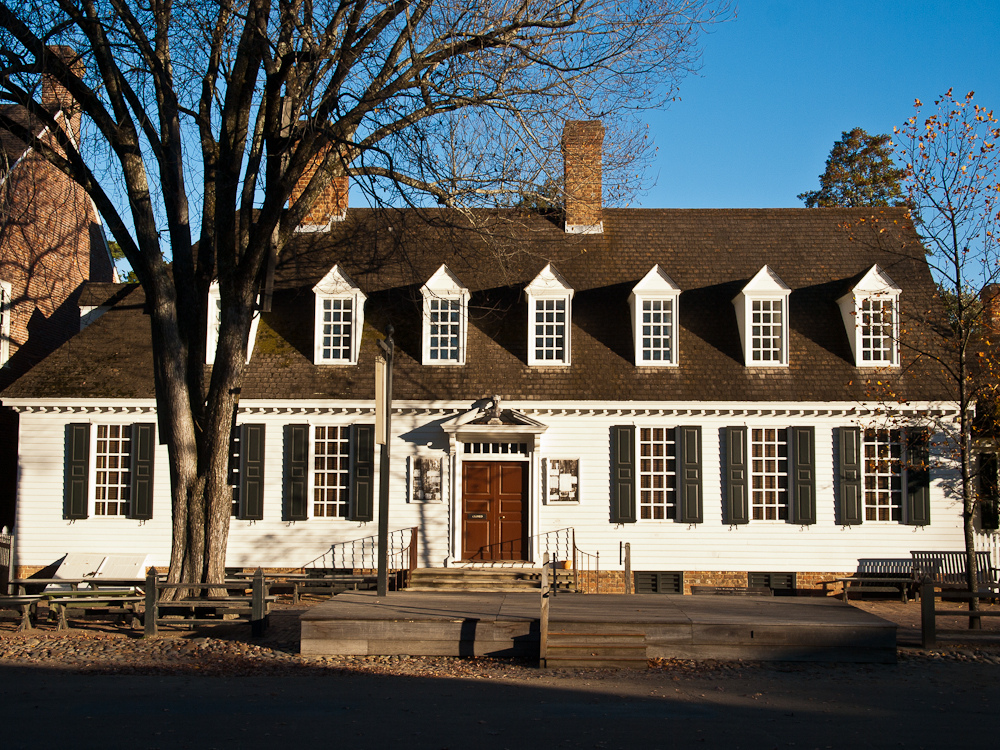
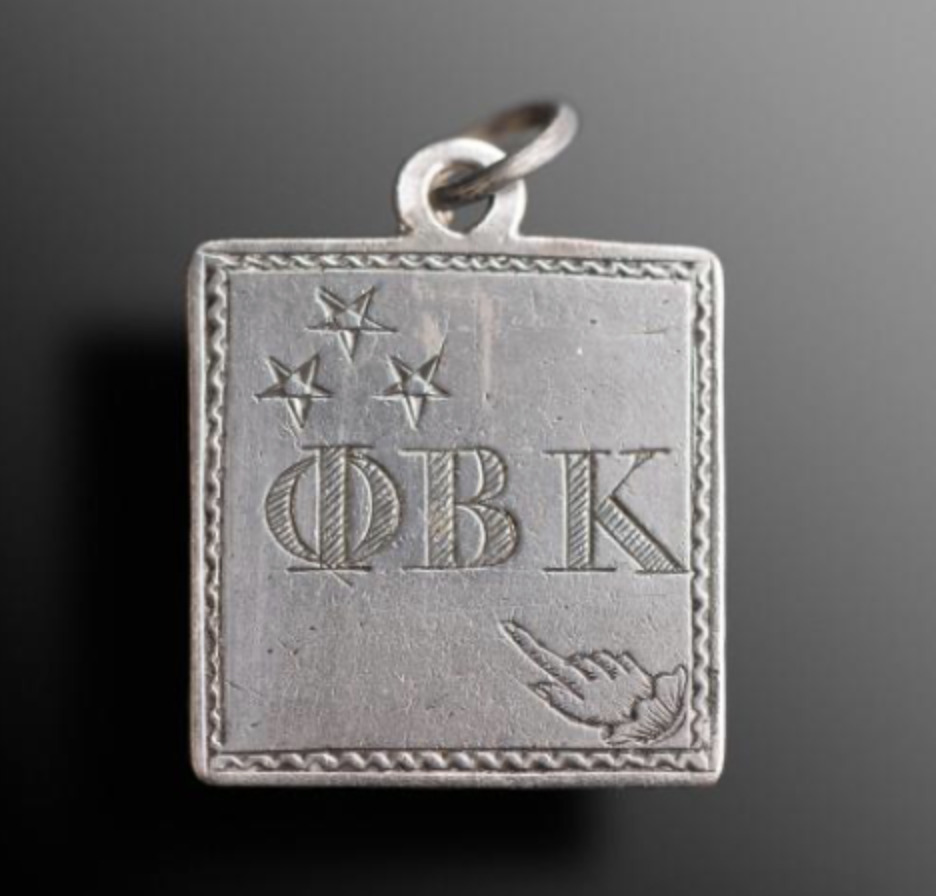
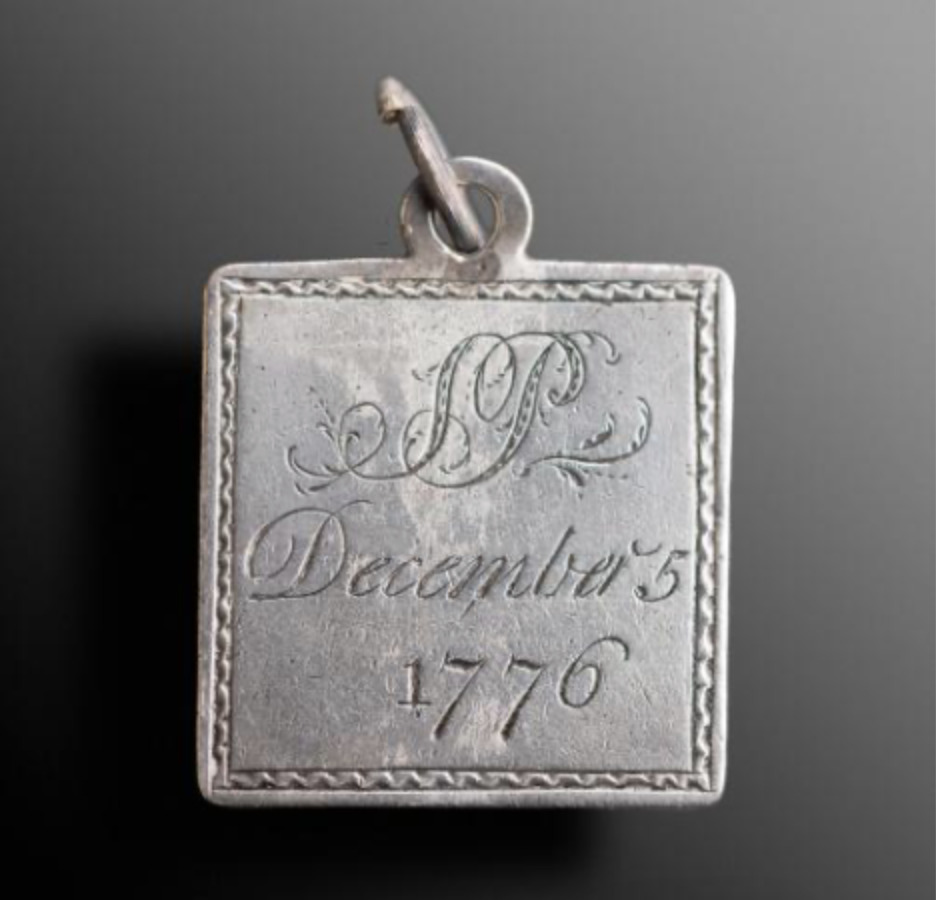
This new society provided its young (often teenaged) members a safe space to debate the divisive issues of the day. The new society was intended to be known only as “S.P.,” Societias Philosophiæ, but instead, the initials of the Society’s Greek motto, Φιλοσοφία Βίου Κυβερνήτης (“Philosophy the guide of life”), gave it the name that remains to this day: Phi Beta Kappa (ΦBK).
The transformations of the Phi Beta Kappa Society reflected the maturation of U.S. politics and culture as a whole. Even as a secret society, Phi Beta Kappa’s built from honest and open debate among leaders young and old, created a civic culture in speech and in print that would foster and sustain an American political and cultural elite, and model a healthy civic culture for the broader American public.
Today it might seem obvious that Phi Beta Kappa is the original American honor society—a prestigious membership offered to top arts and sciences students whose scholarship, breadth of study, and integrity mark them for distinction. That reputation, acquired over the past 250 years, can make its origins appear straightforward.
Yet the more complicated question is, what was the Phi Beta Kappa Society in its first decades? The earliest iterations of Phi Beta Kappa were conceived under many frameworks at once: as a Greek-letter fraternity, a literary society, and a secret organization.
As the Society expanded, with new chapters chartered in the 1780s at Harvard, Yale, and Dartmouth, its members grappled with which pieces of its protean identity to retain and which to cast aside. In that process, they articulated a vision of intellectual life while carefully navigating the tension between secrecy and publicity in the uncertain politics of the new nation.
*
Could something be public but secret, or private but known to all?
The new nation’s leaders felt the weight of history in all their choices. The Continental Congress sought the consent of the American people by publishing its journals and crafting civic traditions, rituals, and iconography. Yet Congress also recognized the necessity of private space for debate; the First Continental Congress met in total secrecy, and secret committees and secret journals were essential to subsequent congresses and legislative meetings. Most notably, James Madison took meticulous notes during the Constitutional Convention but remained reluctant to publish them in his lifetime. The new nation’s political architecture thus combined transparency with protected deliberation, a duality that students in Phi Beta Kappa would emulate and test.
Phi Beta Kappa was first established at a public tavern, but most meetings in the Society’s early years took place in students’ chambers. The private spaces of a college served as a chrysalis for young, bourgeois white men who were expected to contribute to public opinion and earn themselves an honorable reputation.
At William & Mary, local examples of secrecy shaped Phi Beta Kappa’s rituals—not only college debating clubs but also the Freemasons, who established the Masonic Grand Lodge of Virginia a few blocks from campus in October 1778. On February 27, 1779, the first Phi Beta Kappa initiation committee (three of five of whom had been inducted the year before as Masons) devised an elaborate initiation ritual, including an oath of secrecy, a secret handshake, and an anapestic knock to announce the arrival of inductees, all of which have parallels in Masonic rites. The Society’s name, motto, and founding oath were expunged from the record book, and ciphers were adopted.
The Masons also recognized that greater influence could come from building a network of like-minded individuals through the creation of new branches. Replicating a society was easiest out in the open, but Masons—with their levels of initiates, procedures for the establishment of new lodges, and networks of communication—had managed to expand to new locations while maintaining their rites in secret. This is the model the founding chapter of Phi Beta Kappa followed on May 8, 1779, when the members “resolved…to prepare the form or Ordinance of a Charter Party” with the Society’s rules, for the purpose of establishing new chapters at other colleges. From the French chartre partie, or “divided charter,” the founding documents would be written in duplicate, in side-by-side columns, and then the paper torn or cut in two. One side would be sent to the new chapter, while the second would remain with the original chapter in Williamsburg.
The founding chapter became inactive by 1780 due to wartime disruptions, but not before granting charters for new chapters at Yale and Harvard. Elisha Parmele, who attended both Yale and Harvard and was inducted during a stay in Williamsburg, conveyed the charters to New England. These chapters transformed the growing Society by maintaining extensive record books, correspondence, and membership lists, initiating annual public orations, and granting a charter to Dartmouth in 1787. And their records demonstrate ongoing quandaries around knowledge-seeking and debate, self-governance, publicity, and secrecy.
The tensions between a secret, trusted group and the demands of speaking openly to increase influence among white, male, educated Americans deepened during, and especially after, the American Revolution. Secrecy itself seemed at odds with republican values, and liable to shield corruption or treason. Phi Beta Kappa members shifted their gaze to the models of learned societies, imagining a future for the Society with no need for secrecy or ritual.
*
As the founding chapter at William & Mary faded into inactivity, it was left to Phi Beta Kappa’s leading members in New England to determine how to preserve a space for intellectual development and debate while avoiding suspicion from those excluded. The correspondence of Samuel Kendal and Henry T. Channing, the first Phi Beta Kappa chapter presidents at Harvard and Yale, respectively, reveal how they tried to solve that puzzle.
In a letter dated October 16, 1782, Kendal responded enthusiastically to Channing’s proposal “of a free communication between the two societies.” Kendal claimed that “our society commands the attention of all who have any knowledge of it, especially of those who belong to the College; and I must suppose it does and will have great influence upon the conduct of the students; as each one seems desirous of being a member; and they are convinced that we determined to admit none but such as support a good character in the literary as well as moral line.”
Though Kendall did not remark on the jealousies that would naturally emerge on campus from such admission standards, he did express hope “that the institution of the Φ B K will have a happy tendency to destroy the prejudices that too frequently subsist between different Universities; to make them act upon more liberal principles, and seek the mutual advantages of the several societies with which they may, by this institution, be connected.”
The 1782 letter described how the Harvard chapter’s anniversary meeting took place “in the Chapel with open doors,” attended by students “as well as some of the first characters in the State.” The Phi Beta Kappa Society anniversary meetings offered the College and the public an annual glimpse into the otherwise still secretive organization. The Society first held a private meeting to elect new members and discuss proposals, and then marched in a public procession where members proudly displayed their Phi Beta Kappa medals, “suspended with pink and sky blue ribband,” according to the Harvard chapter’s records.
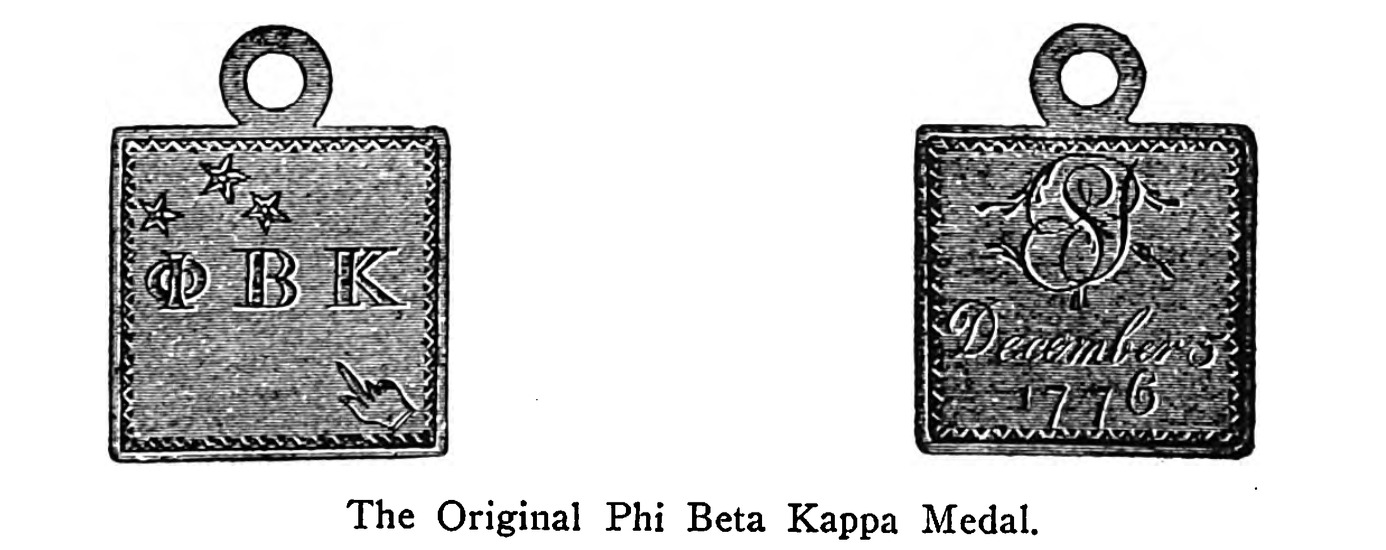
A dinner followed, offering students an opportunity to hobnob and extend networks. The social choreography balanced spectacle with restraint; undergraduate members were seen but not heard, while respected orators modeled the intellectual tone that Phi Beta Kappa sought to claim. In such staged spaces, the Society learned how to be visible without being exposed.
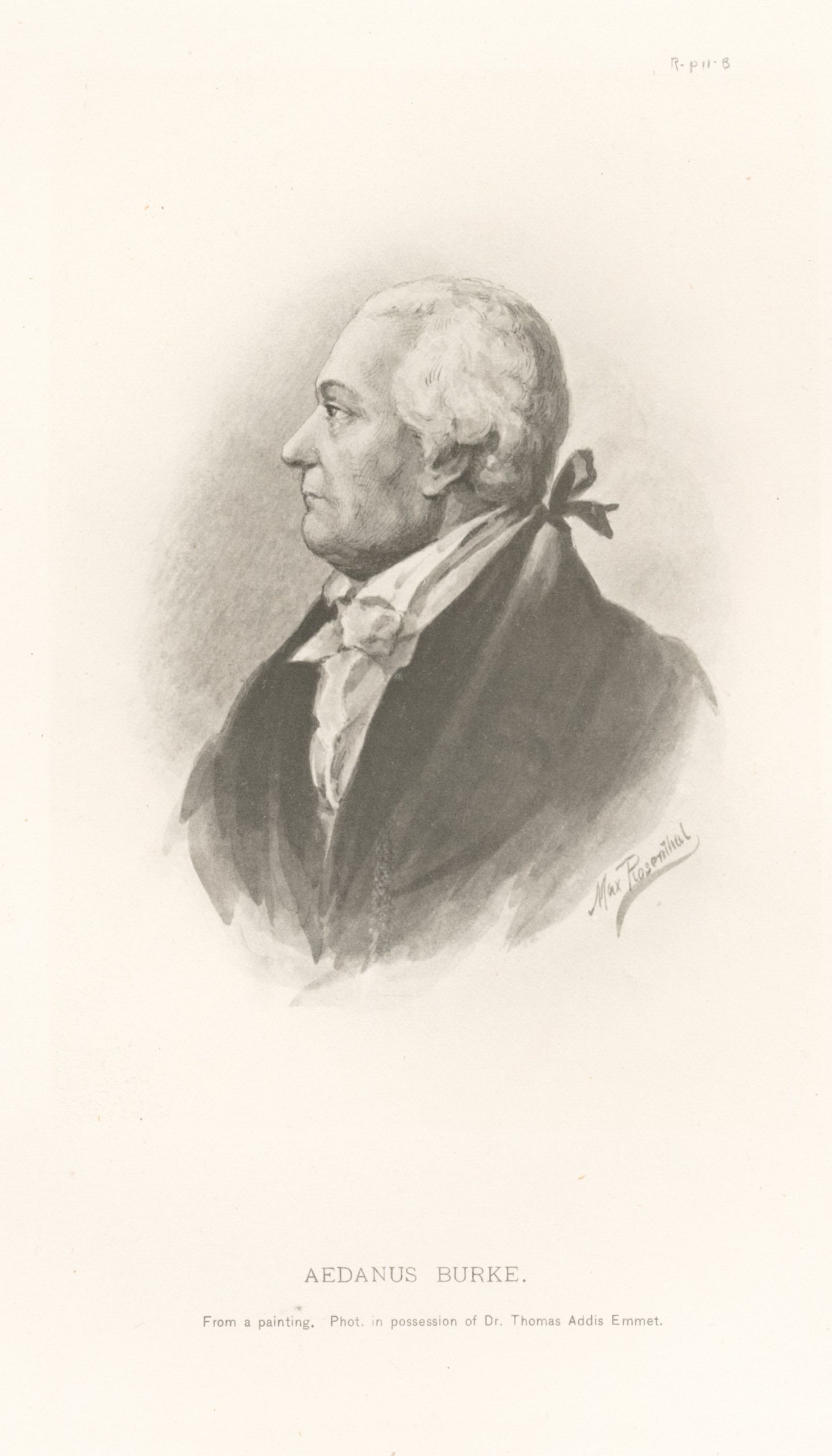
As the United States was emerging as a new nation, there were constant debates over the proper qualities of leaders, and whether there was any role for secrecy in governing a democratic republic. In 1783, South Carolina state representative Aedanus Burke issued a scathing critique of the newly organized Society of the Cincinnati, which restricted membership to veterans of the American Revolution and their male descendants. Burke sensed a conspiracy to install a new American aristocracy, “an hereditary peerage,” identifiable by a “badge of distinction…suspended by a deep blue ribbon.” The episode taught student societies that optics mattered: self-creation was permissible if it served public-spirited ends, but secrecy could shade quickly into distrust.
While Burke fumed, others saw value in how self-organized societies could serve the young republic. Abigail Adams wrote to her son, John Quincy Adams, in November 1786, with the astute perspective of both a diplomat’s wife and a mother concerned for her son’s education. She recognized the importance of anonymity, even secrecy, for truly open debate, writing that, “a perfect Stranger has an equal freedom of speech… no questions are askd, who you are, or from whence you came.”
By the time her son responded in August 1787, John Quincy Adams had already graduated from Harvard, but reassured his mother: “There are at the university two private Societies form’d upon a similar plan to that which you mention in one of your late letters.…I was received as a member of both these Societies, very soon after my admission at the university; and I am certain that the institutions are of great service to those who belong to them.”
The young Adams joined Phi Beta Kappa on June 21, 1786, and his diary offers a rare glimpse into the Society’s activities—and the potential dangers of an exclusive organization with an implicit goal of reputation building. In August of that year, Adams described the dismissal of two applications for membership as “a misfortune,” but admitted, “the Consequences would undoubtedly be more dangerous, if every member of the Society had not the privilege of excluding any other Person.”
As Phi Beta Kappa expanded, jealous nonmember students at Harvard, Yale, and Dartmouth expressed their frustration and suspicion of the Society’s growing influence. In December 1786, Yale’s trunk of records was broken into and key documents were stolen. Three seniors were identified as the culprits, and they were forced to make a written confession, pay for the damage to the trunk, and to take an oath that they would never divulge “the principles or misteries of this society.” The effort to create and sustain republican government—with open, honest dealings, accountability to the people, and freedom from foreign interference—was a struggle for national leaders and for these college students, the metaphorical (indeed, in some cases actual) sons of the “founding fathers.”
At Harvard, in 1787, the senior class was “so much divided,” John Quincy Adams noted, “that, except the members, there was only one (Dodge) that attended to hear the Orations.” Dartmouth students petitioned to prevent the institution of a Phi Beta Kappa chapter there. In 1789, Harvard records noted that non-members “have endeavoured to discover the manner of salutation peculiar to the ΦΒΚ,” prompting a suspension of the secret handshake “untill the next anniversary.” These episodes illuminate the delicate balance between ritual and function. The handshake could be set aside without destroying the Society; what mattered was that members could reliably identify one another, so that the Society’s debates maintained their private, and secure, liberties.
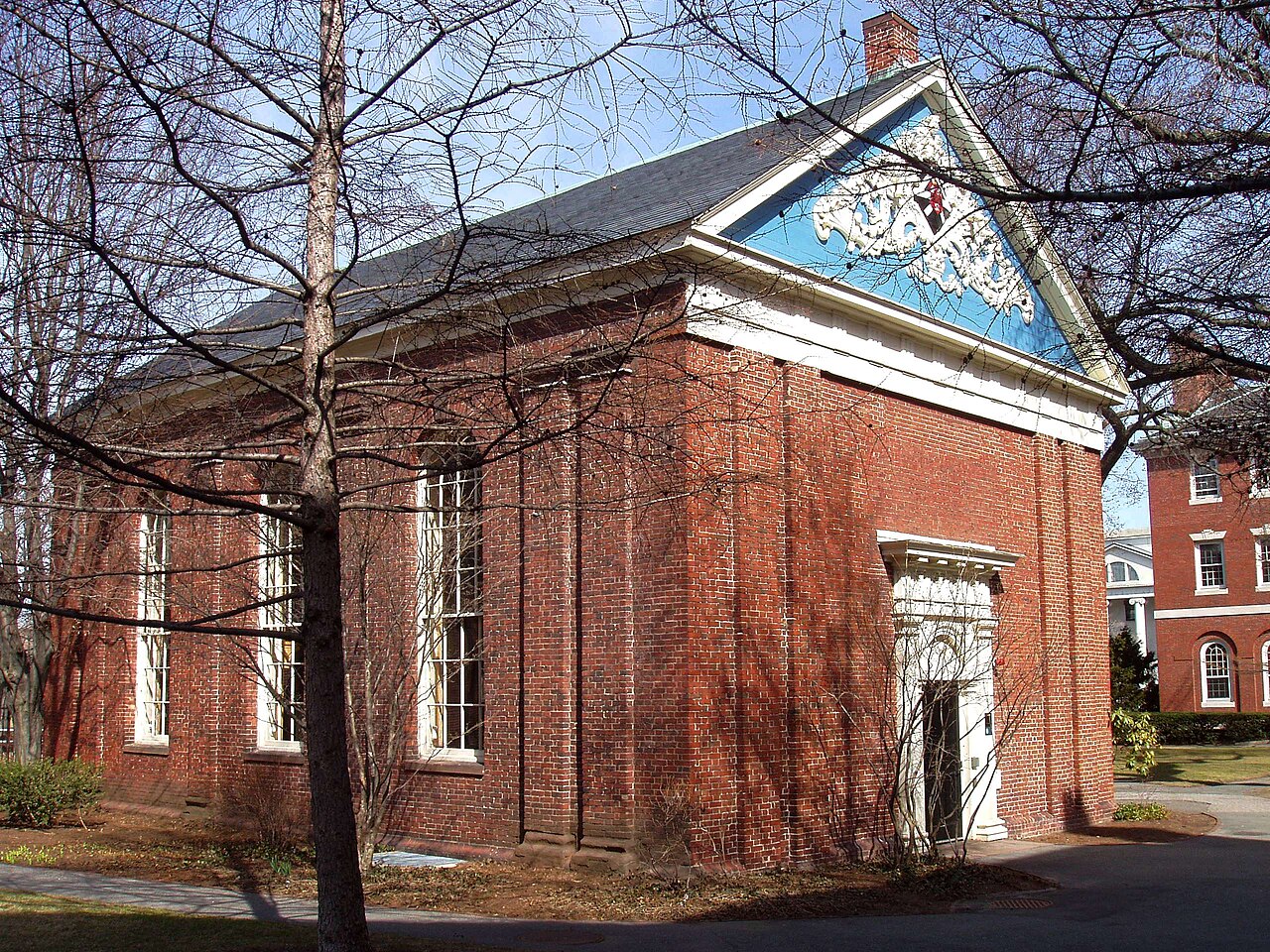
In 1788, John Quincy Adams delivered the anniversary oration to a “very respectable audience” including Harvard’s “President, Professors, Librarian & Tutors of the university and several other gentlemen of distinction,” most notably Governor John Hancock. The chapter rejoiced, with the chapter Vice President boasting that “we have the kind and active patronage of the Government of the University.” Yet Governor Hancock worried that Phi Beta Kappa “tends to make a discrimination among the students” and recommended “inquiry into its nature.” Harvard’s chapter responded by sharing its laws and constitution. Officials again attended the annual rites in 1790 but declined in 1791, judging participation “prejudicial to the society & the peace of the college.” To honor Phi Beta Kappa would dishonor the excluded. Those in “the Government of the University” who were Phi Beta Kappa members resolved only to attend the public ceremonies, rather than participate in the procession.
In 1792, for “the peace of the college, & for the respectability of our fraternity,” Harvard moved its anniversary from September to the day after Commencement; Yale and Dartmouth followed suit. Synchronizing with commencement expanded audiences and associated Phi Beta Kappa with formal academic ritual. Advertisements soon included times, locations, and names of orators, shifting from alumni notices to public invitations. The Society entered the newspaper age strategically, courting the legitimacy of print while guarding internal confidences. Yet the jealousies continued. In 1793, a writer styling himself Socius decried divisions caused by a “supposed honourable institution, to which she has not the opportunity to admit members, until their senior year.” That year, school officials again declined to join Phi Beta Kappa’s procession.
*
In 1794, after the Whiskey Rebellion, President George Washington warned Congress about “self-created societies” that might challenge authority. New England newspapers applied the label to Democratic Societies, Masons, and French Jacobin clubs. But Harvard Phi Beta Kappa members still embraced the term in a toast: “May the ΦΒΚ ever prove that a self created society may be a good one.”
The late 1790s tested Phi Beta Kappa significantly. At Yale, Reverend Jedidiah Morse had opened the xenophobic floodgates, declaring that French influences caused “the astonishing increase of irreligion” and the creation of associations which had “some secret plan in operation, hostile to true liberty and religion.” The Yale chapter contemplated “the expediency of abolishing” itself in 1799, to avoid association with seditious secrecy; Harvard members objected, and the Yale chapter ultimately voted against dissolution. The episode exposed Phi Beta Kappa’s vulnerability to the wider panic about conspiracies.
In 1800, Yale invited Abraham Bishop, a former chapter president who had become an ardent Democratic-Republican, to deliver the anniversary oration. Bishop chose the subject of “political delusion,” and submitted his finished oration to the chapter secretary, “with a request that he would communicate the contents to the members, and that the appointment might be rescinded, if they were disposed to do it.” But it took until the eve of the meeting for the chapter to rescind the invitation and cancel the public session. Printed handbills announced the decision across New Haven.
Bishop delivered the oration anyway, to a crowd of 1500, and he personally arranged its publication. While Thomas Jefferson, the leader of the Democratic-Republican party, waited to be certified as the winner of the 1800 election, David Daggett, president of the Yale Phi Beta Kappa chapter, published Three Letters to Abraham Bishop rebuking Bishop’s disregard for procedure. Bishop countered that Phi Beta Kappa “was originally instituted solely for political purposes” and had since “mellowed down to a sort of friendship and learning society, with powers to make invidious discriminations in the colleges, but without any definite object.” Bishop resigned his membership, aligning himself with “the great community of unprivileged men.”
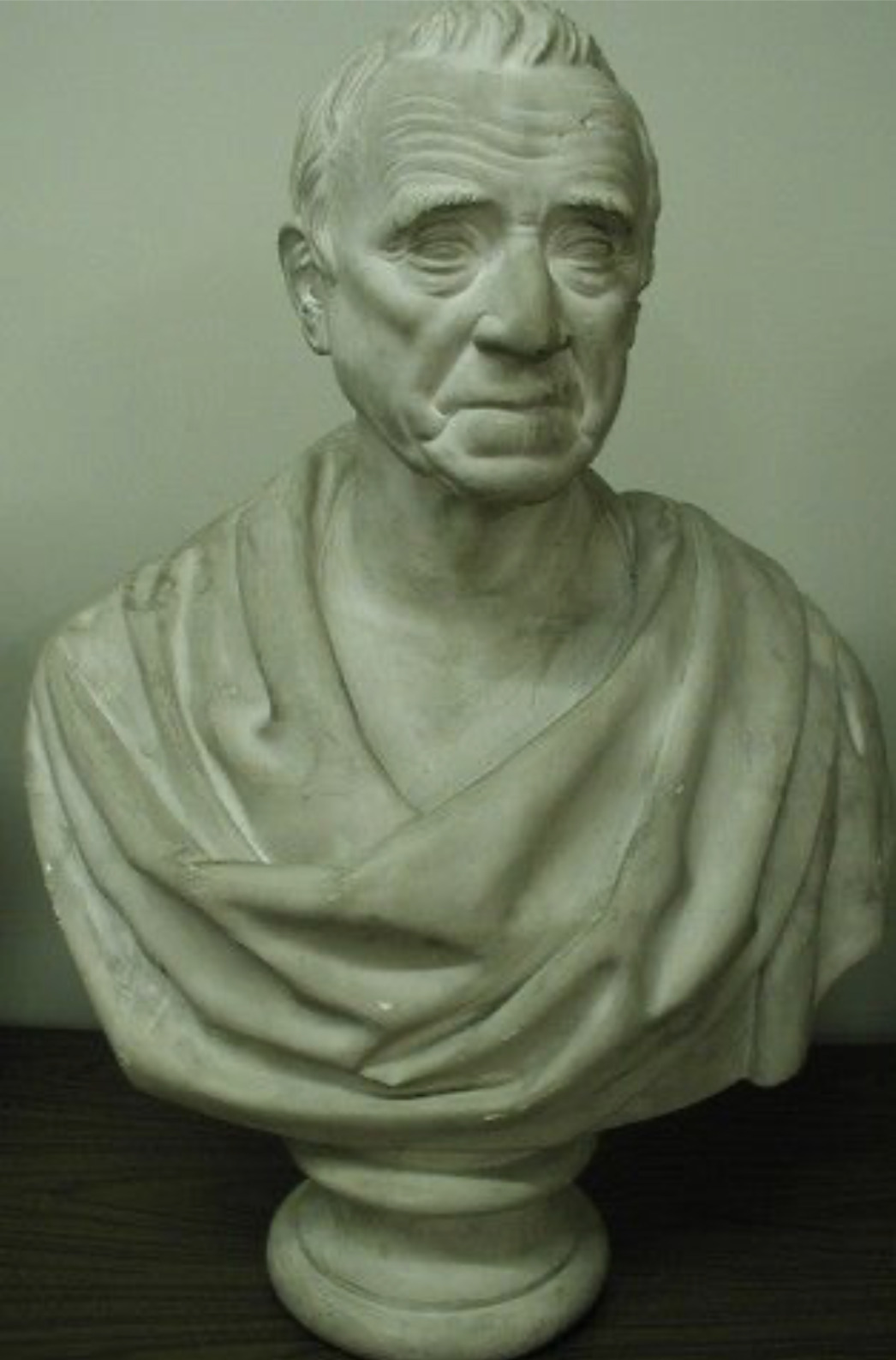
Bishop, the Democratic-Republican, saw the contrast between the private, and political, and the public, and literary, sides of Phi Beta Kappa clearly. Elsewhere, Federalist members made the same connection from the opposite side of the political spectrum. At Dartmouth, in 1803, the Phi Beta Kappa anniversary meeting poem denigrated sitting president Thomas Jefferson as a “wild projector” who, “Pleas’d with his simple garb, and sable whore, / Reviles the God his countrymen adore!’” Brackett’s poem was soon published and circulating widely. Critics noted that Republican-leaning rhetoric was suppressed while Federalist satire was celebrated and published.
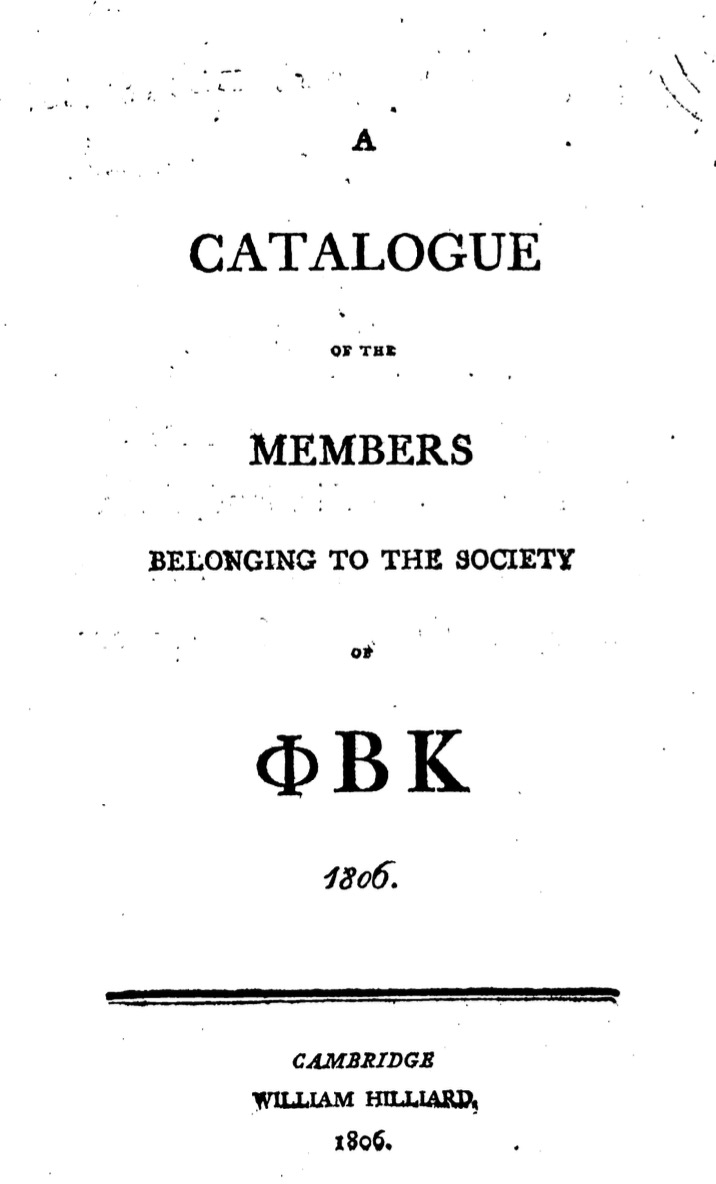
By Phi Beta Kappa’s thirtieth anniversary, members had earned public regard as preachers, lawyers, professors, and as members of state assemblies, the United States Senate, and the Supreme Court. But the Society continued to grapple with the advantages and disadvantages of secrecy, exclusivity, and rituals. Yale members replaced the “oath of initiation” with “a solemn promise upon honor” in 1806, seeking transparency without severing bonds. That same year, the Harvard and Dartmouth chapters contracted printers to publish membership directories, listing members by induction year and residence; Yale followed suit in 1808. Manuscript lists had long existed, but public catalogues converted internal recognition into external capital, enabling alumni and the broader public to trace the Society’s footprint and allowing members to locate one another across the early republic’s widening geography.
*
The War of 1812 and its aftermath further tested cohesion. Yale’s John C. Calhoun supported war in Congress, while Harvard’s Stephen Longfellow joined the antiwar Hartford Convention. The Dartmouth chapter admitted a John Henry, who was not a graduate of the college but an Irish-born newspaper editor from nearby Windsor, Vermont. Henry had spied for the British in the runup to the war, but then sold a copy of the correspondence to the Madison administration, embarrassing many Federalist leaders in the process. Henry was expelled from the Dartmouth Phi Beta Kappa chapter by a unanimous vote.
In 1817, the Harvard Phi Beta Kappa Society moved its annual dinner from private halls to the new Commons in University Hall, binding Phi Beta Kappa to official collegiate architecture. At their anniversary dinner in 1824, the Marquis de Lafayette toasted Phi Beta Kappa as “the Holy Alliance of virtue, literature and patriotism.” Harvard’s meetings had become a “sight,” a must-see pageant amid commencement week, attended by dignitaries and families.
*
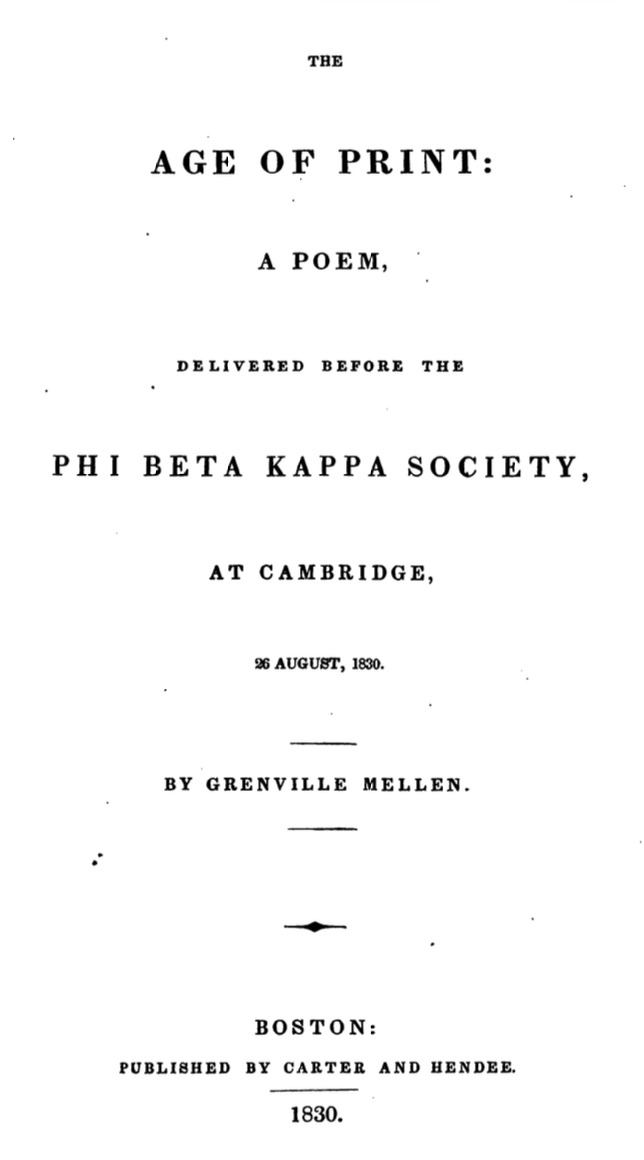
In 1830, Grenville Mellen read a poem titled “The Age of Print” at the Harvard Phi Beta Kappa anniversary meeting. Envisioning a nightmarish retrogression of society, perhaps in relation to the July Revolution in France, Mellen spoke in horror of “Church, State, and priestcraft,” and a world where he who “holds the Charter first should rule the land.” In contrast, Mellen described the reality of life in America, where even the delicate subject of religion could be broached in the newspaper. Mellen wrote, (punning on “mail”):
For lo! all arm’d — and stern within the veil,
Religion ponders in perpetual mail —
Not o’er the stake and scaffold, as of old,
But the dear stock of some sectarian fold;
Then on the heels of some heretic hint
Mark her swift leap in panoply of print!
Mellen and his Phi Beta Kappa colleagues were confident that they represented a path toward greater intellectual glory for the United States.
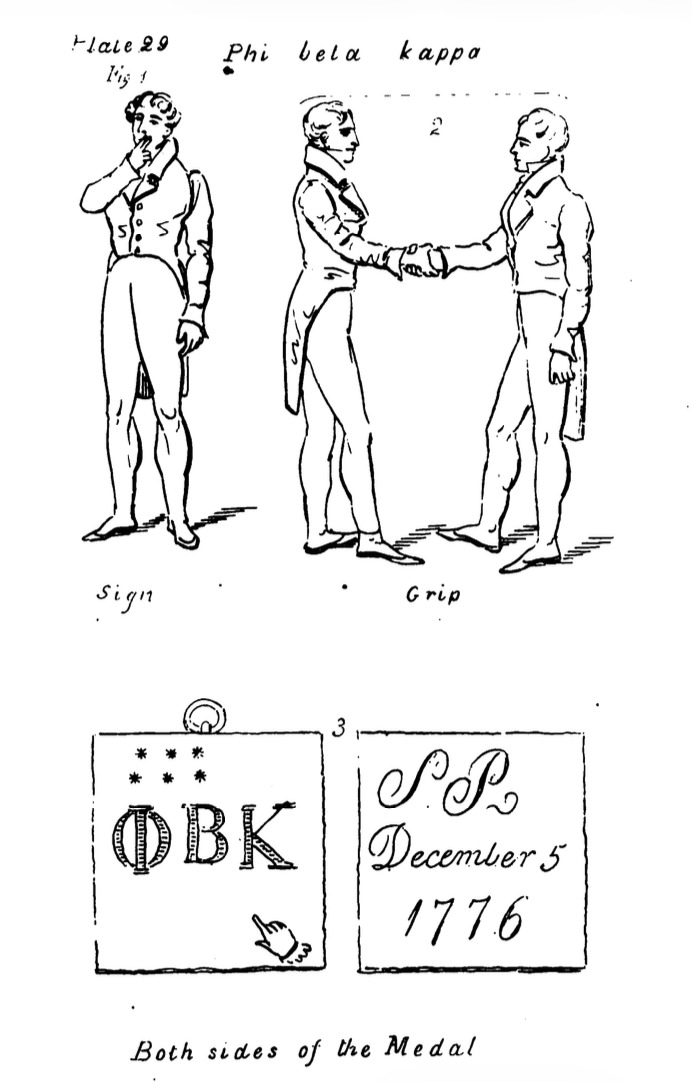
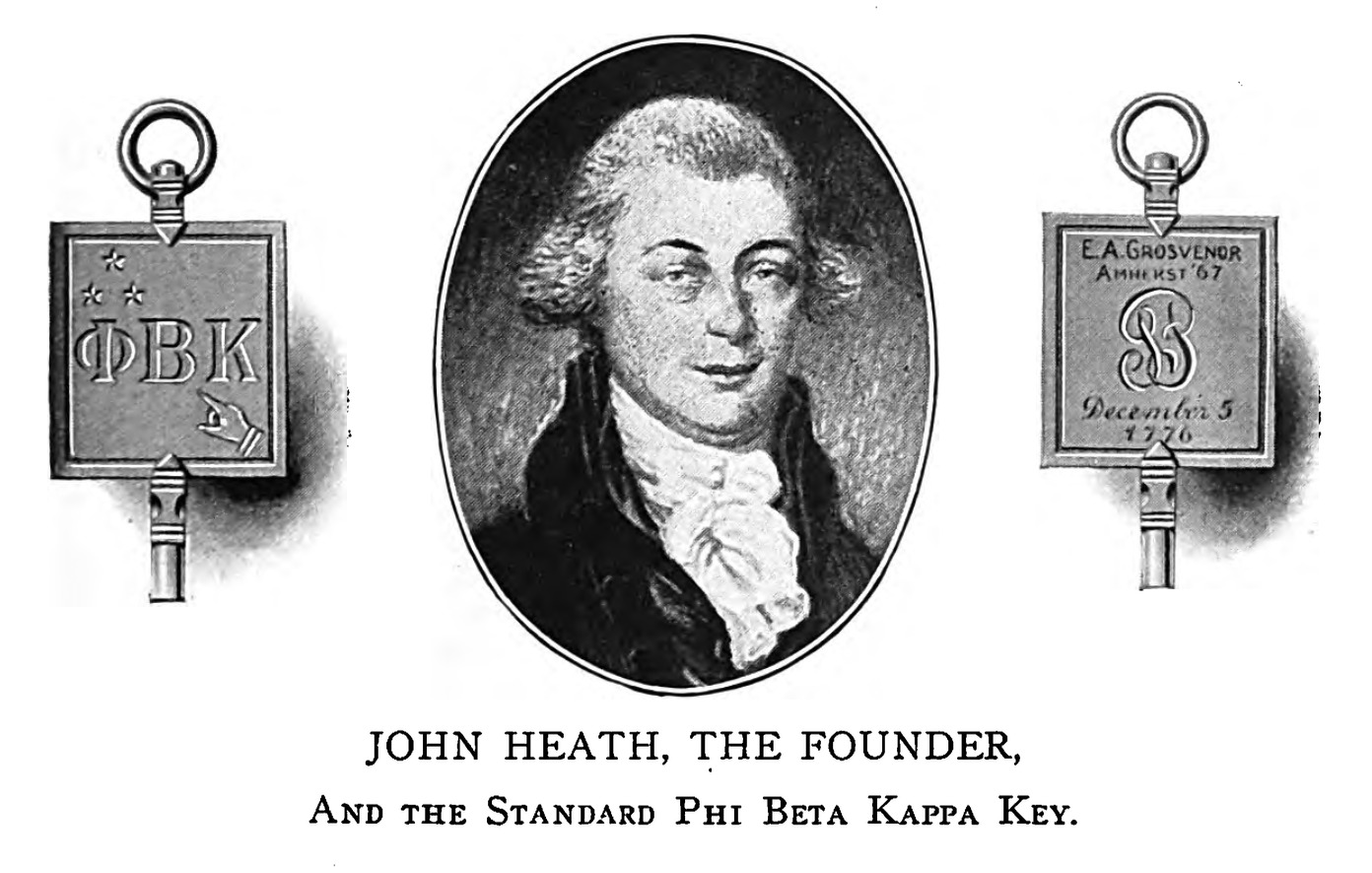
Yet the anti-Masonic movement, spurred by the 1826 murder of William Morgan, cast a pall over all secret societies once again. In 1831, Avery Allyn published an exposé alleging Phi Beta Kappa’s European origins, crediting Thomas Jefferson with importing it, and linking the Society to the Illuminati—a triple mark of purported secret-society lineage that brought the anti-Masonic hysteria to bear on Phi Beta Kappa. Allyn claimed to reveal the “sign, grip, word, and jewel” of Phi Beta Kappa and ascribed sinister meaning to the date on its key: December 5, 1776, “the precise time,” according to Allyn, “when the arch infidel Voltaire, with his associates…were poisoning the public mind.” Allyn’s book decried Phi Beta Kappa as “a species of Freemasonry,” and condemned the Society as “worse than useless.”
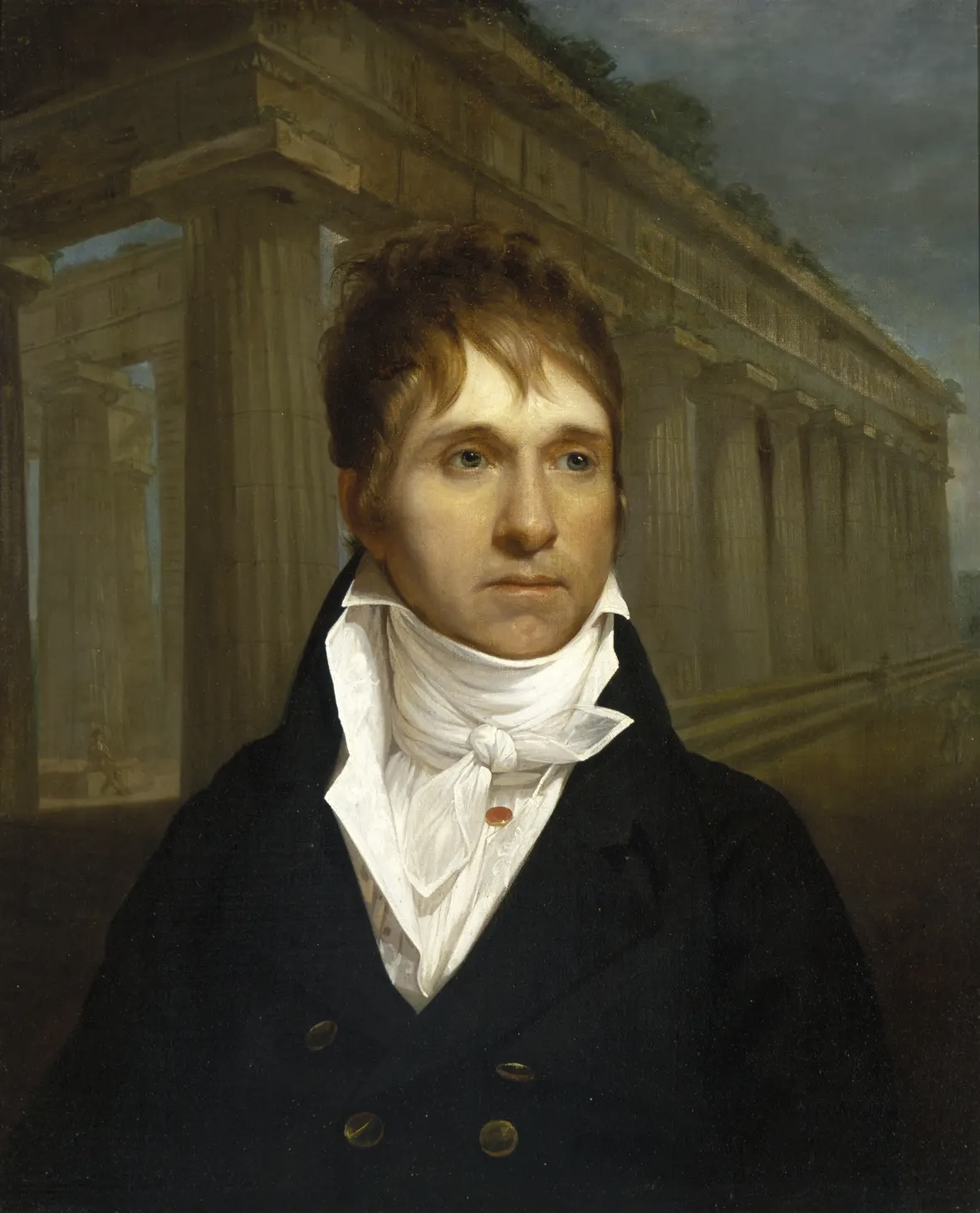
Since Allyn had accurately described elements of Phi Beta Kappa’s rites, a worried Edward Everett, by then a Harvard professor of rhetoric and the chapter president, sought clarification from William Short, an early president of Phi Beta Kappa at William & Mary. Short replied that the society was “purely of domestic manufacture” and vouched for the high literary and academic caliber of its founders. But “as to the cause of its being made a secret Society,” Short wrote, “I am not prepared to answer with certainty.”
Everett then convened a special chapter meeting and proposed that Phi Beta Kappa “drop the affectation of secrecy & all its incidents.” John Quincy Adams, by then an outspoken anti-Masonic critic, introduced an amendment at Harvard’s September 1, 1831, anniversary meeting that “no oath or form of secrecy shall be required of any member.” The Yale chapter eventually did the same. Allyn, triumphant, credited his book with the transformation and praised Phi Beta Kappa’s “good sense” in ending secret oaths and rituals. Whatever the causal chain, the episode marked Phi Beta Kappa’s decisive turn from a society that used secrecy as a practical and symbolic tool toward one that embraced a fully public identity.
*
In 1776, the undergraduate founders of Phi Beta Kappa felt that secrecy was necessary to honing debate skills and forming opinions in a newly declared nation. As the American Revolution found success and the United States’ political culture matured, Phi Beta Kappa was transformed through challenges: student jealousies; breaches of secrecy; political crises; and printed accusations. Then came new opportunities through public orations, publications, and public annual meetings that coincided with commencements.
Critics such as Avery Allyn attempted to read insidious meanings and foreign intrigue into Phi Beta Kappa’s dates and symbols. But, by its fiftieth anniversary, Phi Beta Kappa had successfully rendered its signs symbolic, and made its reputation through the quality of its members. Phi Beta Kappa affirmed that eloquent reasoning—tested in private, in public, and shared generously through print—should indeed be the guide of life.
Further Reading:
Key primary sources for this research include Records of the Phi Beta Kappa Alpha of Massachusetts and Harvard College Papers, 1st Series, both held in Harvard University Archives; John Quincy Adams’s Diary, https://founders.archives.gov/documents/Adams/03-02-02-0001-0008; Cassius [Aedanus Burke], Considerations on the Society or Order of Cincinnati […] Addressed to the People of South-Carolina, and their Representatives (Philadelphia: Printed and Sold by Robert Bell, 1783); Avery Allyn, A Ritual of Freemasonry: Illustrated by Numerous Engravings: With Notes and Remarks. To Which is Added a Key to the Phi Beta Kappa. (Boston: John Marsh and Co., 1831). Much of the early correspondence between chapters is reprinted in Catalogue of the Harvard Chapter of the Phi Beta Kappa: Alpha of Massachusetts, with the Constitution, the Charter, Extracts from the Records, Historical Documents, and Notes William Coolidge Lane, ed. (Cambridge, 1912); and printed Phi Beta Kappa orations.
Key secondary sources include David Waldstreicher and Stephen R. Grossbart, “Abraham Bishop’s Vocation; or, the Mediation of Jeffersonian Politics,” Journal of the Early Republic 18:4 (1998): 617-659; Richard Nelson Current, Phi Beta Kappa in American life: The First Two Hundred Years (New York: Oxford University Press, 1990); William T. Hastings, Phi Beta Kappa as a Secret Society: With its Relations to Freemasonry and Antimasonry (Washington, D. C.: United Chapters of Phi Beta Kappa, 1965); Oscar McMurtrie Voorhees, The History of Phi Beta Kappa (New York: Crown Publishers, 1945); Janice Lynn Fivehouse, “The History of the Alpha Chapter of Phi Beta Kappa,” (M.A. Thesis, College of William & Mary, 1968).
Conceptual approaches key to this essay benefited from Katlyn Marie Carter, “Denouncing Secrecy and Defining Democracy in the Early American Republic,” Journal of the Early Republic, Vol. 40, No. 3 (Fall 2020): 409-433; Margaret Sumner, Collegiate Republic: Cultivating an Ideal Society in Early America (Charlottesville: University of Virginia Press, 2014); Sandra Gustafson, Eloquence is Power: Oratory & Performance in Early America (Chapel Hill: University of North Carolina Press, 2000); David Waldstreicher, In the Midst of Perpetual Fetes: The Making of American Nationalism, 1776-1820 (Chapel Hill: University of North Carolina Press, 1997); John L. Brooke, “Ancient Lodges and Self-Created Societies: Voluntary Associations and the Public Sphere in the Early Republic,” in Launching the “Extended Republic”: The Federalist Era. R. Hoffman and P.J. Albert, eds. (Charlottesville: University Press of Virginia, 1996); Larzer Ziff, Writing in the New Nation: Prose, Print, and Politics in the Early United States (New Haven: Yale University Press, 1991); Michael Warner, The Letters of the Republic: Publication and the Public Sphere in Eighteenth-Century America (Cambridge, Mass.: Harvard University Press, 1990).
This article originally appeared in September 2026.
Adam Arenson is a historian in the Honors Program and affiliated faculty in the Institute for Thomas Paine Studies at Iona University. He thanks Emily Sneff, Joanne Freeman, Catherine Corman, and the Yale Early American History group. Learn more about his award-winning books and current research at adamarenson.com.




.jpg)

