Midwives are another valuable resource to suss out information about the general lived experiences of menstruators. Midwives remained the main provider of female healthcare until the late nineteenth century. Women in any sized settlement and town would visit the local midwife for help with painful or suppressed periods. Women could buy herbs or teas for suppressed periods, painful periods, or maybe even an abortifacient, if needed. For example, Martha Ballard, a midwife who worked in the town of Hallowell, Maine for decades, felt concern when a local woman had an “‘obstructed’” period in 1789. In this case, Ballard “‘prescribed the use of particular herbs’” for a woman named Genny Cool. Though Ballard uses the term “obstructed” to describe Cool’s issue, which hinted towards a suppressed menstruation, there is a distinct possibility that these herbs, which are not named, could have “been employed to induce abortion” for Cool. Obstruction, therefore, could have multiple meanings, and Ballard grew and collected herbs such as tansy, “a plant associated in some herbals with abortion,” but in her practice, often “seems to have been employed as an anthelmintic, that is, an agent for expelling worms.” Other herbs also had uses beyond menstrual issues. Rue and savin, for example, could both be used to restore menstruation, but were known to cause abortions, and in the case of savin, had been used for such since Roman antiquity. The blurry lines between restoring menstruation and aborting early pregnancy meant that a particular woman’s use of the herb could be unclear. Yet, most herbs could be used to restore or help menstruation.
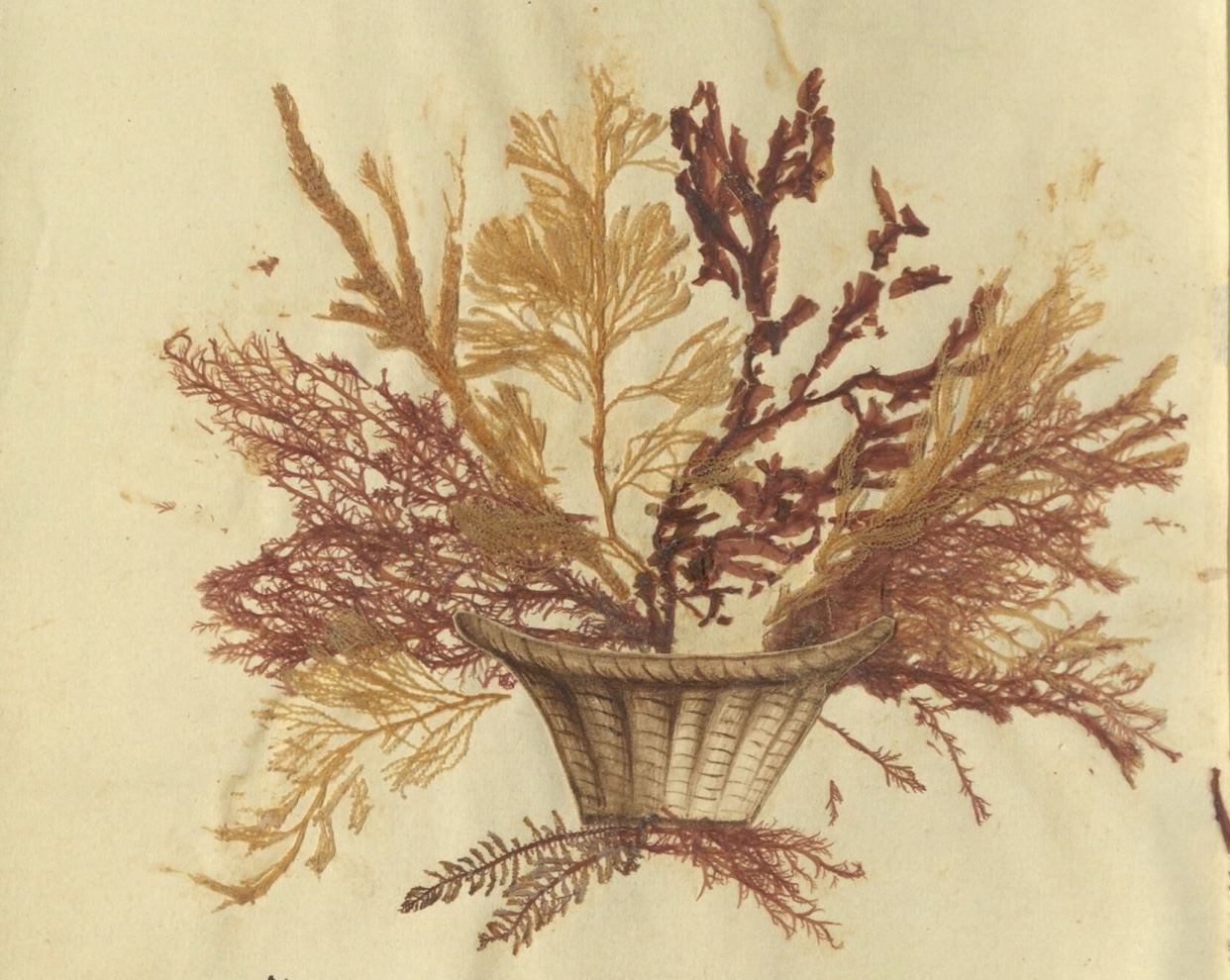
Women could also produce emmenagogues, which are herbal medicines that would start a woman’s menstrual cycle, on their own from more commonly found botanicals. In fact, women used emmenagogues so often that “[o]fficial, sectarian, and folk medicine” prescribed emmenagogues to women in the nineteenth century. An 1880 medical index listed seventeen botanicals that promised to start one’s menstrual cycle, such as ergot, chamomile, yarrow, cotton root, parsley, cherries, and others. Though lay and medical texts prescribed herbal remedies to induce menstruation, women had other treatment options. For example, as “the logic of a medical system that attributed many diseases, including amenorrhea, to sluggishness of blood or an obstruction to circulation, cures were to be found by inducing sweating” which included steam, warm baths, and “breathing the vapors of emmenagogic [sic] herbs.” But many women probably started with teas, including “14 different kinds of herbal teas,” with ingredients that could be found on most farms, such as ginger or wintergreen leaves, to induce menstruation or to handle the effects of a painful period. Martha Ballard’s diary included a number of herbs and their descriptions from her long-standing midwifery practice in late eighteenth-century Maine. Among those are “Balm,” hops, rue, and yarrow. “Balm” could have been a reference to “an herb used for inducing perspiration and suppressing menstruation,” or a Balm of Gilead used to create a cough syrup. The other three, however, are directly linked to dealing with menstrual issues. Ballard, as well, collected parsley and chamomile, and while these were not directly linked to menstruation, such herbs were often used to either induce menstruation or help with pain.
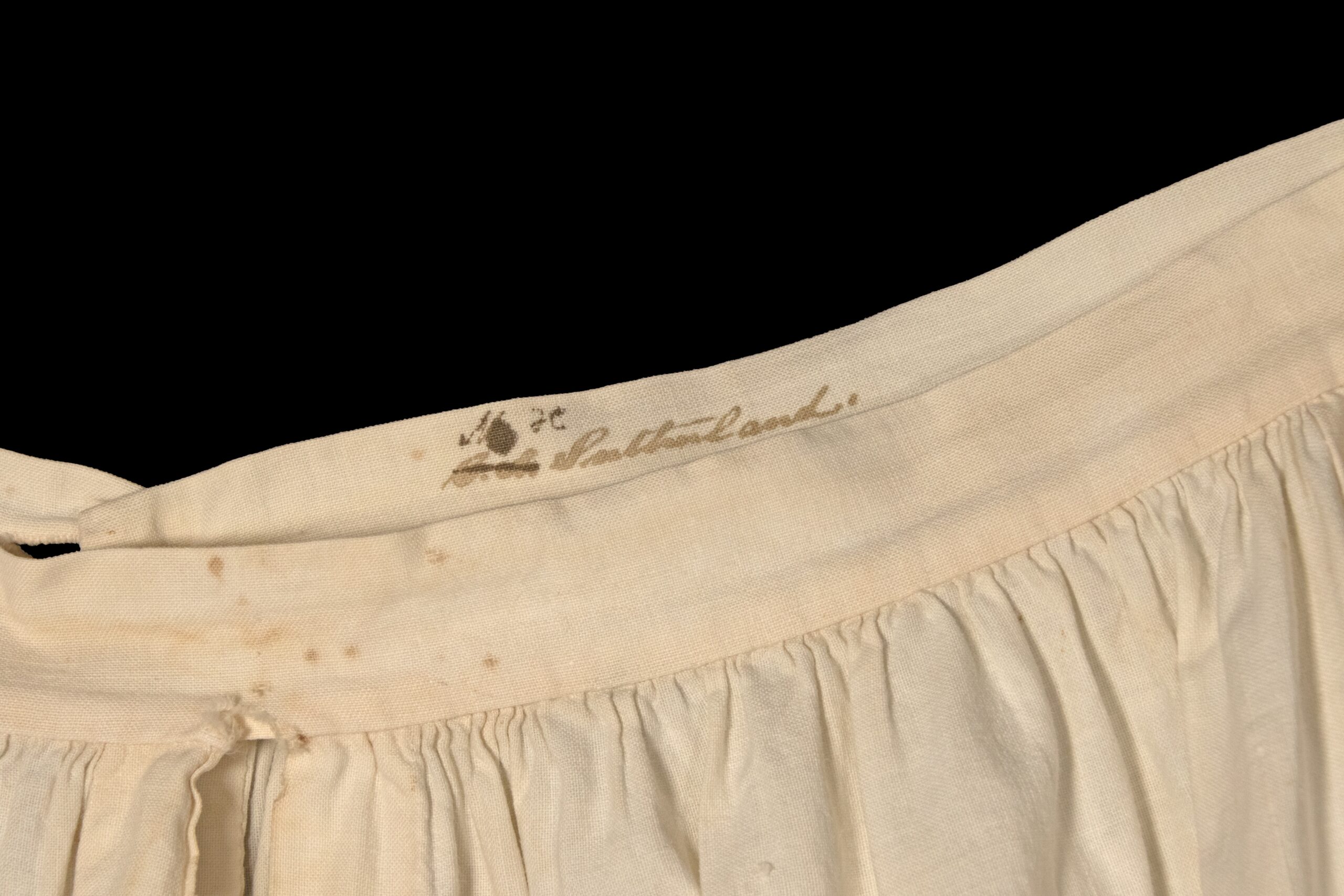
Innovations in menstrual technology that emerged in the late nineteenth and early twentieth century allow us to infer what techniques women used to manage their periods in earlier decades by analyzing what issues new products aimed to ‘solve.’ Instead of taking for granted that the products were almost the same, I seek to trace earlier methods of menstrual technology by pinpointing the issues of handmade methods. For example, a number of the new products sought to alleviate issues of chafing. Therefore, it can be gleaned that women in the nineteenth century and earlier often dealt with issues of chafing from their homemade menstrual rags, an issue exacerbated when away from home. Likely bulky, with pins in the undergarments that may not have stayed in place, mobile women would have dealt with the discomfort of rags and clothes in their clothes while traveling. Chafing would have been another burden to the body as she traveled, causing discomfort, or even infections and other issues from the raw skin.
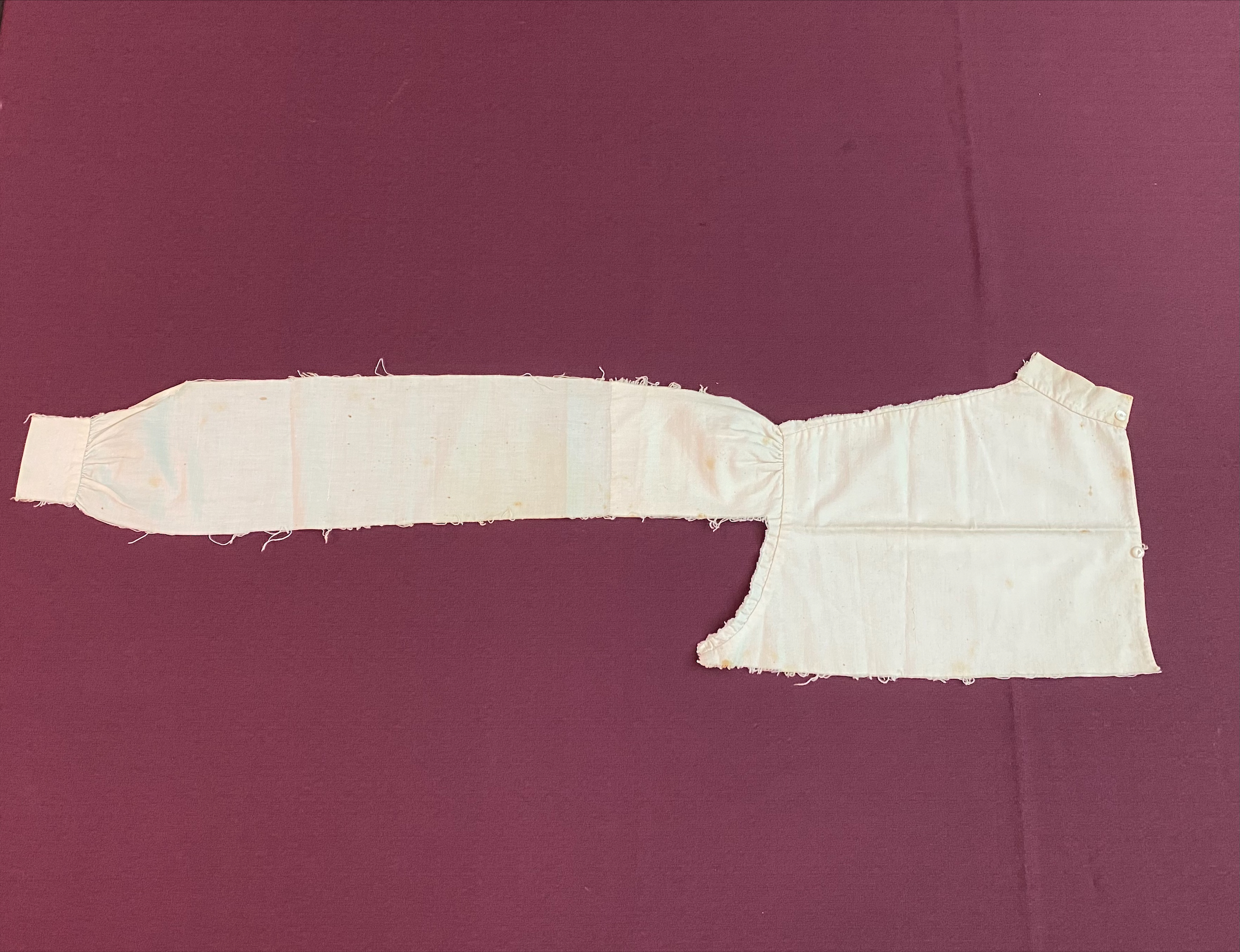
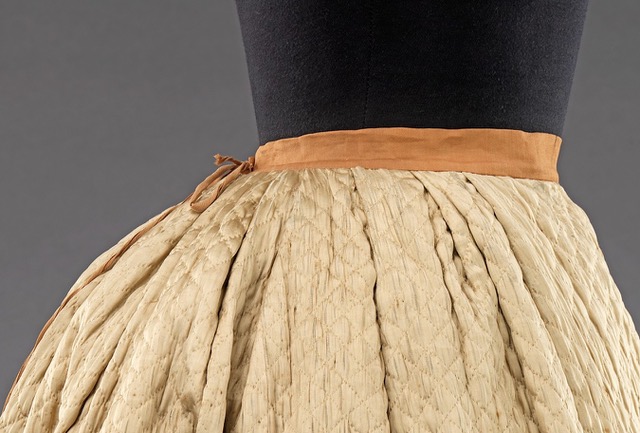
How did women, especially those away from home, collect the menstrual blood expelled during her cycle in the nineteenth century? We begin by exploring the undergarments of women in the early American republic. Many women wore crotchless underwear in the early- to mid-nineteenth century. Crotchless underwear created two problems for menstruating women: napkins and cloths could not be pinned directly to the crotch of undergarments, and there was also no fabric in the crotch to catch any blood if the menstruater started early or got caught unprepared. Though some scholars have suggested that women freely bled throughout much of history, others find this unconvincing. First, bleeding onto oneself would cause discomfort. Second, free bleeding would increase the labor of laundering one’s clothing, which would already be an arduous task for women traveling and staying in the homes of others. The use of crotchless underwear further complicates an argument for free bleeding, as women would have bled down their legs, not into the gusset of the underwear. Instead, crotchless underwear underscores the need for belts to secure cloths to the body