Why This Book?
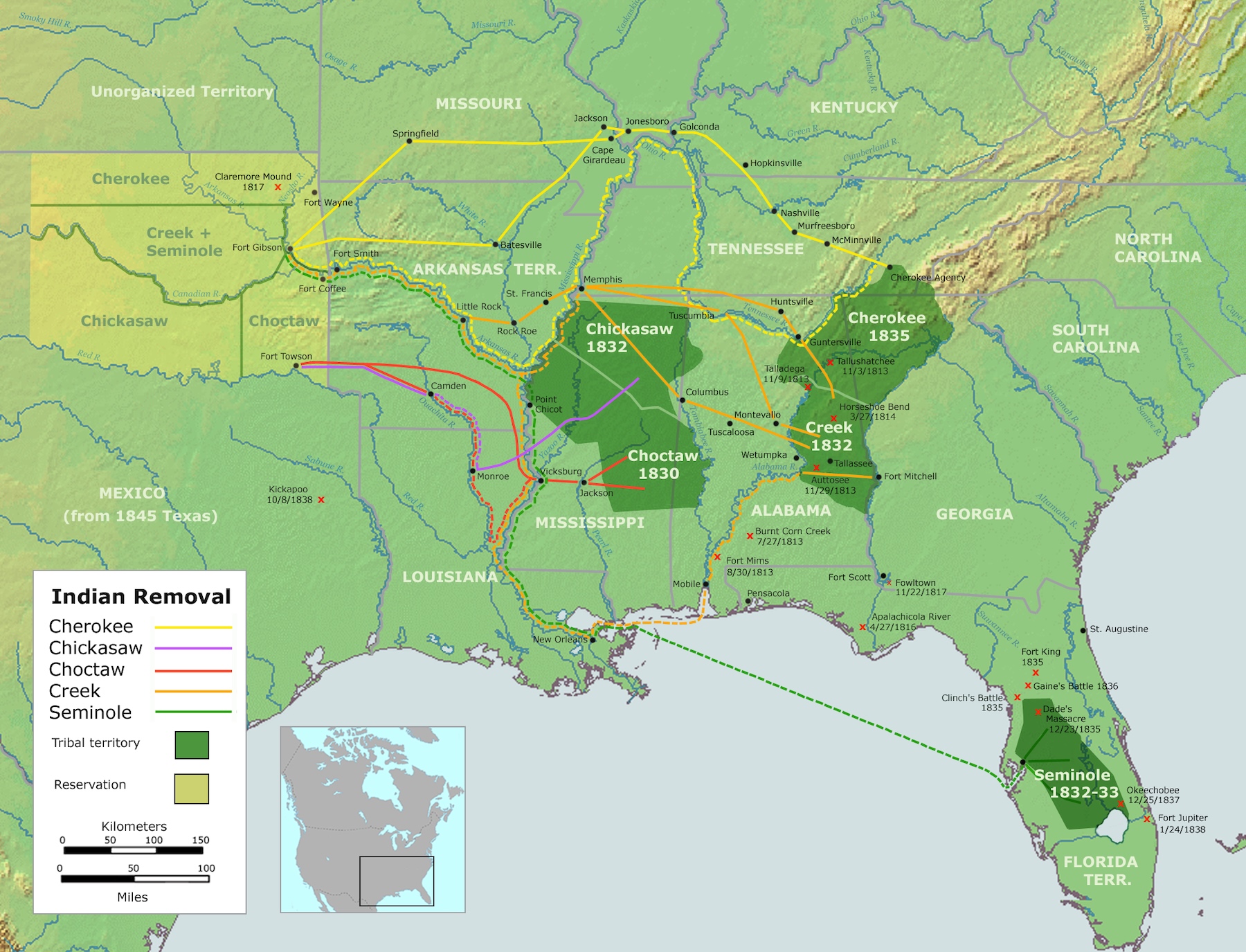
Reading the news, you’d be forgiven for thinking that immigration policy in the United States is about policing national borders. But the longer history reveals a much more complicated federal legality and the essential role of states in managing migration. It’s a history not only about people coming to North America from Europe, or Asia, or Africa, but also about the status of enslaved people and Native Americans already within the geopolitical boundaries of what constitutes the modern-day United States.
Read More Books is an opportunity to put even more thinking and conversation about books out into the world. It’s text, not video, and doesn’t originate on social media, but here on an open access site. Because it takes lots of formats and options in this information kaleidoscope of a world. If you read the first installment, you’ll know that the format for Read More Books is straightforward: five similar but adapted questions for an author, with some preview comments from me, and notes about what else to read. With the forbearance of the editor and editorial board, I’m excited to share more books every other month or so.
Whether you’re reserving a book in your library app, requesting a volume from closed stacks, ordering or pre-ordering from your favorite independent bookseller, or just pulling it off your TBR pile—why this book? Do you ever read a review in a big mainstream outlet and wonder why x is being reviewed but not y? Or see a bookfluencer musing about a particular book when you wish they’d just put their hands and eyeballs on a different one? Why this one is regularly a combination of market forces (literally, if a press has dedicated marketing resources to a book), conversations and politics in the cultural moment, serendipity– someone recommended a book, or just liked the cover. For historians, why this book is also about immediate relevance and the state of a field. A book that brings new research and a new framework for thinking about an issue that has contemporary salience will get more eyeballs; equally, a book that contributes to the scholarship along multiple vectors.
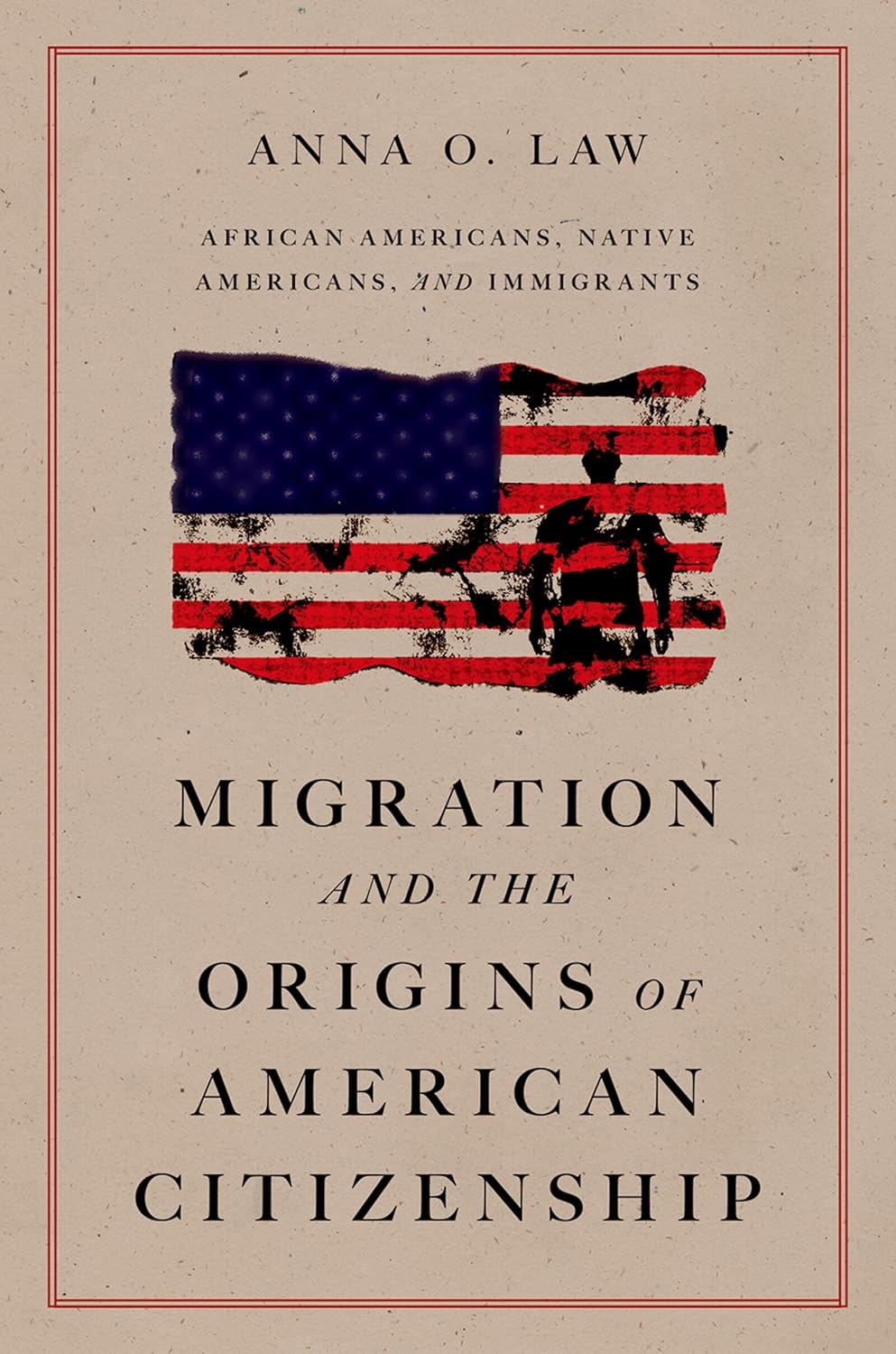
Anna Law is Associate Professor of Political Science and Herbert Kurz Chair in Constitutional Rights at CUNY Brooklyn College. Her new book is about as on point for urgent political context as we get these days. And contributes to scholarship developed by historians, legal scholars, and political scientists about how citizenship and who could, or was made to, move within and into the shifting borders of the United States in the nineteenth and then twentieth centuries.